Stepping into the world of homemade wood-fired pizza is an exciting culinary adventure, promising a taste that store-bought pies simply can’t match. The allure of that perfectly crisp crust, bubbling cheese, and smoky aroma is undeniable. However, achieving this perfection, especially in a DIY wood-fired oven, often comes with a common challenge: burnt crusts. This guide is your key to unlocking the secrets of consistent, evenly cooked pizzas, transforming potential disappointments into delectable triumphs from your backyard oven.
Understanding Your Wood-Fired Pizza Oven
A wood-fired pizza oven is more than just a cooking appliance; it’s a testament to traditional cooking methods, leveraging intense, radiant heat to cook pizzas in a matter of minutes. Unlike conventional ovens, a wood-fired oven utilizes direct flame and heat stored in its dome and floor to create a unique cooking environment. This high-temperature, fast-cooking process is what gives pizzas their characteristic leopard-spotted crust and distinct smoky flavor. The journey from a simple dough ball to a culinary masterpiece in a wood-fired oven is deeply satisfying, but it requires a nuanced understanding of its mechanics.
Key Factors Contributing to Burnt Crusts
Burnt crusts in a wood-fired oven are typically not a sign of poor pizza-making skills, but rather an indication of one or more variables being out of sync within this high-heat environment. Often, it stems from an imbalance in temperature, where the oven floor might be significantly hotter than the dome, or the overall temperature is simply too extreme. Improper dough preparation, such as using dough that is too thick, too cold, or has an unsuitable hydration level for the intense heat, can also lead to uneven cooking and charred edges. Furthermore, poor baking technique, particularly insufficient or mistimed rotation, allows one side of the pizza to overcook quickly. Lastly, excessive or wet toppings can extend cooking times, causing the crust to burn while the toppings struggle to cook through. Addressing these core issues is paramount to achieving pizza perfection.
Mastering Temperature Control
Achieving a perfectly cooked pizza in a wood-fired oven hinges on precise temperature management. It’s a dance between fire, heat, and timing, ensuring every part of your pizza cooks harmoniously.
Preheating Protocol
|
Our Picks for the Best Pizza Oven in 2026
As an Amazon Associate I earn from qualifying purchases.
|
||
| Num | Product | Action |
|---|---|---|
| 1 | PIEZANO 12 Inch Electric Indoor Pizza Oven Heats up to 800˚F - Pizza Maker with Ceramic Stone for Crispy Crust Pizza, Cooks in Under 6 Minutes, Countertop, Dual Heat Control, Peels & Scraper Included |

|
| 2 | BIG HORN OUTDOORS 12" Multi-Fuel Outdoor Pizza Oven – 3-in-1 Wood-Fired, Gas & Electric Compatible (Burners Sold Separately), Pellet Pizza Oven Portable Pizza Maker for Backyard, Camping & Tailgating |
|
| 3 | Gourmia Indoor Pizza Oven Air Fryer Toaster – 1800W Countertop Multi-Cooker with Pizza Stone, Digital Controls & 6 Presets, Stainless Steel |
|
| 4 | CHEFMAN Indoor Pizza Oven - Makes 12 Inch Pizzas in Minutes, Heats up to 800°F - Countertop Electric Pizza Maker with 5 Touchscreen Presets, Pizza Stone and Peel Included - Stainless Steel |
|
| 5 | Electric-Pizza-Oven-Indoor, 12 Inches Countertop Cooker,800℉ Electric Pizza Maker with Timer, Ceramic Stone, Viewing Window, Complete Accessory Kit, Black |
|
| 6 | Presto 03430 Pizzazz Plus Rotating Oven, Black |
|
| 7 | Pizza Oven Indoor, 12 Inch Retro Pizza Maker, Rapid Heating 800˚F, 1200W Glazed Ceramic Stone Electric Pizza Cooker, Two-button Precise Temperature Control, Viewing Window for Precise Cooking |
|
| 8 | Pizza Oven Outdoor 12" Wood Fired Pizza Ovens Pellet Pizza Stove for outside, Portable Stainless Steel Pizza Oven for Backyard Pizza Ovens |
|
| 9 | PIEZANO XL 14 Inch Electric Indoor Pizza Oven Heats up to 800˚F - Pizza Maker with Stone for Crispy Crust Pizza, Cooks in Under 6 Minutes, Countertop, Dual Heat Control, Peels & Scraper Included |
|
| 10 | Presto 03434 Pizzaz Plus Rotating Oven - 12-Inch, Countertop Pizza Oven, Nonstick Tray, Top and Bottom Heating Elements, Easy to Clean, Green/Gold |
|
Thorough preheating is the bedrock of successful wood-fired pizza. Your oven isn’t ready just when the flames are roaring; it needs time for the heat to saturate the entire structure, especially the oven floor. Aim to preheat your oven for at least 2 to 3 hours to ensure the dome and floor reach a stable, even temperature. This consistent heat distribution is crucial for preventing a raw center or a burnt base.
Measuring Temperature Accurately
Guesswork is the enemy of perfectly cooked pizza. An infrared thermometer is an indispensable tool for measuring the exact temperature of your oven floor. For Neapolitan-style pizzas, the ideal floor temperature typically ranges between 700-900°F (370-480°C). However, different pizza styles may require slightly lower temperatures, so understanding your target is key. Regularly check multiple spots on your oven floor to ensure uniform heating.
Fuel Management
The type and quantity of wood you use significantly impact your oven’s temperature and cooking characteristics. Opt for dry hardwoods like oak, maple, apple, or cherry. These woods burn cleaner and hotter, producing less smoke and ash compared to softwoods like pine, which can impart an undesirable flavor. Use smaller, consistently sized logs to maintain a steady, manageable flame.
When firing, position your main fire to one side of the oven, creating a zone of intense heat and a cooler zone for rotation. This allows the flames to arch over the dome, radiating heat downwards onto your toppings, while the floor cooks the base.
Adjusting Heat During Cooking
The live fire in a wood-fired oven requires active management. While cooking, monitor the flame behavior. If it’s too high, you might need to slightly reduce the fuel or wait for the flames to subside a bit before launching a pizza. Conversely, if the temperature drops, add a small piece of hardwood to revive the heat. Learning to read your oven’s heat signature and adjust accordingly is a skill developed over time.
Crafting the Perfect Dough
The foundation of any great pizza is its dough, and in a wood-fired oven, its characteristics play a crucial role in preventing a burnt crust while achieving that desired airy, crispy texture.
Dough Hydration
Dough hydration, the ratio of water to flour, is critical for wood-fired pizzas. A hydration level between 60-70% is generally recommended. This range strikes a balance, providing enough moisture for the dough to be elastic and develop internal air pockets that puff up beautifully in high heat, yet remains workable enough to handle without excessive stickiness. Dough that is too dry can cook too quickly and become tough, while overly wet dough can be difficult to launch and may lead to a soggy or undercooked center before the crust burns.
Dough Temperature
Always ensure your pizza dough is at room temperature before stretching and baking. Cold dough is less pliable, making it harder to stretch evenly, and can result in an uneven bake where the top cooks faster than the chilled interior, potentially leading to a burnt crust and raw dough. Allow your dough balls to warm up for at least a few hours after refrigeration.
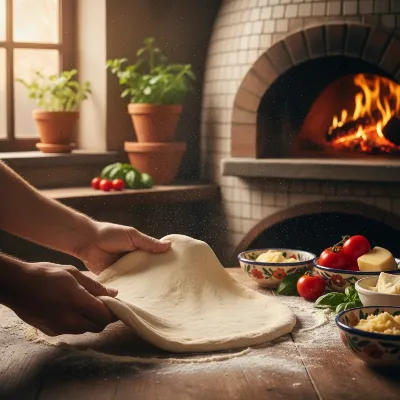 Hands stretching pizza dough on a floured surface for a wood-fired oven, emphasizing thinness and evenness.
Thickness and Handling
A thin crust is highly advisable for wood-fired ovens. Thinner dough cooks more rapidly and evenly, reducing the chance of burning the exterior before the interior is done. When stretching your dough, aim for a consistent thickness across the entire base, leaving a slightly thicker rim for the crust.
Additionally, be mindful of the amount of semolina flour or regular flour used on your pizza peel. While a light dusting helps prevent sticking, excess flour will burn quickly on the hot oven floor, imparting a bitter taste and blackening the base of your pizza. Use a perforated peel if possible, or gently tap off any surplus flour before launching.
Advanced Baking Techniques
Even with perfect temperature and dough, the way you bake your pizza in a wood-fired oven significantly impacts the outcome. It’s an active process that demands your full attention.
The Art of Rotation
In a high-heat wood-fired oven, consistent and timely rotation is arguably the most critical technique to prevent burnt crusts and ensure an even bake. Since the heat in these ovens is rarely perfectly uniform, especially with a live flame to one side, parts of your pizza will cook faster than others.
After launching, let the pizza set for about 15-20 seconds to firm up. Then, using a pizza turning peel, begin rotating the pizza gradually, typically every 10-15 seconds. This constant movement ensures all sides of the crust are exposed to the heat, promoting a uniform cook and preventing any single section from charring prematurely. Think of it as painting with heat – you’re distributing the intense warmth evenly across the surface.
Monitoring Your Pizza
Wood-fired ovens demand your complete focus. Pizzas cook incredibly fast—often in just 60 to 90 seconds for Neapolitan style. This means you cannot afford to be distracted. Keep your eyes on the pizza at all times, observing how the crust is browning and bubbling. Look for signs of uneven cooking and adjust your rotation speed or position accordingly. There’s no “set it and forget it” in wood-fired pizza making.
Strategic Placement
Beyond rotation, understanding and utilizing the different heat zones within your oven can refine your bake. The area closest to the fire will be the hottest, while areas further away will be slightly cooler. By strategically moving your pizza between these zones, you can fine-tune the cooking process. For instance, if the top needs a bit more crisping, you can briefly lift the pizza closer to the dome, but only for a few seconds to avoid burning. Conversely, if the base is cooking too fast, you might briefly move it to a slightly cooler spot.
Initial Practice
If you’re new to your DIY wood-fired oven, start with smaller pizzas and consider baking at a slightly lower temperature initially. This approach allows you to get a feel for your oven’s unique hot spots and learn the rhythm of rotation without the pressure of potentially burning a larger, more elaborate pie. As you gain confidence and familiarity, you can increase pizza size and oven temperature. Remember, it’s better to cook a pizza a little longer at a slightly lower temperature than to burn it in seconds at an excessively high heat.
Topping Smart for Even Bakes
The toppings you choose and how you apply them have a surprising impact on your pizza’s cook time and susceptibility to burning. In a fiercely hot wood-fired oven, “less is more” is a golden rule.
Less is More
Heavy or overly abundant toppings can significantly increase baking time. More mass means more heat is needed to cook through, and this prolonged exposure can lead to a burnt crust while the interior ingredients are still cooking. Opt for light and balanced toppings that complement each other without overwhelming the base. This approach ensures all elements cook at a similar rate, resulting in a harmonious, perfectly baked pizza.
Moisture Control
Excess moisture from ingredients can create a soggy base or require longer cooking, again increasing the risk of a burnt crust. If using vegetables with high water content, such as mushrooms or bell peppers, consider pre-sautéing them briefly to remove some moisture. For cheese, avoid mass-produced pre-shredded varieties that often contain anti-caking agents like cellulose, which can burn quickly and turn black at high temperatures. Instead, shred your own fresh mozzarella or use high-quality cheese specifically made for pizza that melts evenly and beautifully without scorching. Similarly, apply sauce sparingly to prevent soaking the dough.
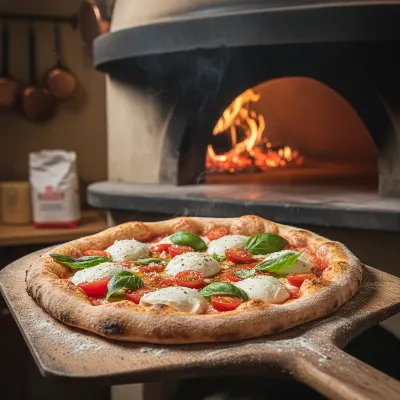 Fresh pizza with balanced toppings on a wooden peel, ready for a wood-fired oven, emphasizing quality ingredients.
Essential Tools for Success
Having the right tools is just as important as mastering the techniques. These items will empower you to manage your wood-fired oven effectively and prevent burnt crusts.
- Infrared Thermometer: As mentioned, this is non-negotiable for accurately measuring your oven floor temperature. It eliminates guesswork, allowing you to launch your pizza at the optimal heat.
- Pizza Peels (Launching and Turning): A sturdy launching peel (often metal or wood) is essential for sliding your pizza into the oven. A metal turning peel with a smaller, round head is crucial for rotating the pizza frequently and precisely within the hot oven, protecting your hands from the intense heat.
- Quality Hardwood: Invest in well-seasoned, dry hardwoods. This ensures a clean, efficient burn and consistent heat, avoiding the inconsistent temperatures and excessive smoke that can come from poor-quality wood.
Conclusion
Preventing burnt crusts in a DIY wood-fired pizza oven is a skill refined through practice, patience, and a deep understanding of your oven’s unique characteristics. By mastering temperature control with an infrared thermometer, crafting dough with optimal hydration, and employing diligent rotation techniques, you will consistently achieve that coveted crispy, airy crust with perfectly cooked toppings. The journey of making pizza in a wood-fired oven is immensely rewarding, offering a culinary experience that elevates simple ingredients into extraordinary meals. So, embrace the flames, hone your craft, and delight in creating truly spectacular pizzas right from your own backyard. What culinary creations will your perfected wood-fired oven inspire next?
Frequently Asked Questions
What is the ideal temperature for a wood-fired pizza oven?
For most Neapolitan-style pizzas, the ideal temperature for a wood-fired oven floor is between 700-900°F (370-480°C). Using an infrared thermometer to verify this temperature before launching your pizza is crucial for an even bake and to prevent burning.
How often should I rotate my pizza in a wood-fired oven?
You should begin rotating your pizza about 15-20 seconds after launching it into the oven. Continue rotating it every 10-15 seconds thereafter using a turning peel to ensure all sides of the crust cook evenly and to prevent any single spot from burning.
What kind of wood is best for a pizza oven?
Dry hardwoods such as oak, maple, apple, or cherry are best for a Pizza Oven. They produce a clean, hot, and consistent burn, imparting a desirable smoky flavor without excessive smoke or creosote, which softwoods can cause.
Can too much flour on the peel cause burning?
Yes, excess flour (especially semolina) on your pizza peel will burn rapidly on the hot oven floor, creating a bitter taste and blackening the bottom of your crust. Always tap off any surplus flour before launching your pizza into the oven.
What is dough hydration and why is it important?
Dough hydration refers to the ratio of water to flour in your pizza dough, typically expressed as a percentage. For wood-fired ovens, a 60-70% hydration level is optimal, as it balances dough workability with the ability to create a light, airy, and beautifully textured crust under intense heat.