Has your beloved pizza stone seen better days? Those charred crusts and melted cheese stains are a badge of honor, a testament to countless delicious homemade pizzas. But sometimes, burnt-on food can become more than just seasoning; it can affect performance and even create unwanted smoke in your kitchen. The good news is, you can restore your pizza stone to its optimal, savory state without resorting to harsh chemicals or abrasive soaps. Forget everything you thought you knew about cleaning cookware, because pizza stones demand a unique, gentle approach.
Understanding Your Pizza Stone and Why Soap is Taboo
Before diving into the cleaning process, it’s essential to understand what makes your pizza stone special. Most pizza stones are crafted from porous materials like ceramic, cordierite, or unglazed clay. This porosity is key to their magic: it absorbs and distributes heat evenly, mimicking a traditional brick oven, and draws moisture out of your pizza dough, resulting in that coveted crispy crust. This unique characteristic, however, is precisely why conventional cleaning methods are off-limits.
Using soap or harsh detergents on a pizza stone is an absolute no-go. Its porous surface will readily absorb these chemicals, and the next time you bake, you’ll be treated to an unwelcome soapy flavor contaminating your delicious pizza. Moreover, chemical residues can weaken the stone’s structure over time, potentially leading to cracks. Instead, embrace the natural darkening and staining that occurs with use; these marks are signs of a well-seasoned stone, much like a cast-iron skillet, and contribute to its non-stick properties and heat retention.
Essential Tools for a Sparkling Stone
Cleaning your pizza stone effectively requires a few simple tools, most of which you likely already own:
- Stiff-bristled brush: A dedicated pizza stone brush with tough nylon bristles is ideal. A stiff scrub brush (free of soap residue) can also work.
- Plastic or wooden scraper: A bench scraper, plastic spatula, or even a sturdy wooden spoon is perfect for dislodging larger burnt pieces without scratching the surface. Some experts also recommend a ceramic hob scraper for particularly stubborn spots.
- Damp cloth: A clean, slightly damp cloth for wiping away residue.
- Baking soda: Your secret weapon for tackling stubborn stains and odors.
- Oven mitts: Always handy for safety, especially if you’re working with a recently cooled stone.
Step-by-Step Guide to Cleaning a Burnt Pizza Stone
Cleaning your pizza stone doesn’t have to be a daunting task. Follow these steps for a safe and effective clean, ensuring your stone is ready for its next culinary adventure.
Step 1: Allow the Stone to Cool Completely
|
Our Picks for the Best Pizza Oven in 2026
As an Amazon Associate I earn from qualifying purchases.
|
||
| Num | Product | Action |
|---|---|---|
| 1 | BIG HORN OUTDOORS 12" Multi-Fuel Outdoor Pizza Oven – 3-in-1 Wood-Fired, Gas & Electric Compatible (Burners Sold Separately), Pellet Pizza Oven Portable Pizza Maker for Backyard, Camping & Tailgating |

|
| 2 | Gourmia Indoor Pizza Oven Air Fryer Toaster – 1800W Countertop Multi-Cooker with Pizza Stone, Digital Controls & 6 Presets, Stainless Steel |
|
| 3 | Pizza Oven Outdoor 12" Wood Fired Pizza Ovens Pellet Pizza Stove for outside, Portable Stainless Steel Pizza Oven for Backyard Pizza Ovens |
|
| 4 | PIEZANO XL 14 Inch Electric Indoor Pizza Oven Heats up to 800˚F - Pizza Maker with Stone for Crispy Crust Pizza, Cooks in Under 6 Minutes, Countertop, Dual Heat Control, Peels & Scraper Included |
|
| 5 | CHEFMAN Indoor Pizza Oven - Makes 12 Inch Pizzas in Minutes, Heats up to 800°F - Countertop Electric Pizza Maker with 5 Touchscreen Presets, Pizza Stone and Peel Included - Stainless Steel |
|
| 6 | Presto 03430 Pizzazz Plus Rotating Oven, Black |
|
| 7 | Electric-Pizza-Oven-Indoor, 12 Inches Countertop Cooker,800℉ Electric Pizza Maker with Timer, Ceramic Stone, Viewing Window, Complete Accessory Kit, Black |
|
| 8 | PIEZANO 12 Inch Electric Indoor Pizza Oven Heats up to 800˚F - Pizza Maker with Ceramic Stone for Crispy Crust Pizza, Cooks in Under 6 Minutes, Countertop, Dual Heat Control, Peels & Scraper Included |
|
| 9 | Presto 03434 Pizzaz Plus Rotating Oven - 12-Inch, Countertop Pizza Oven, Nonstick Tray, Top and Bottom Heating Elements, Easy to Clean, Green/Gold |
|
| 10 | Pizza Oven Indoor, 12 Inch Retro Pizza Maker, Rapid Heating 800˚F, 1200W Glazed Ceramic Stone Electric Pizza Cooker, Two-button Precise Temperature Control, Viewing Window for Precise Cooking |
|
Patience is paramount when cleaning a pizza stone. Never attempt to clean a hot or even warm stone with water, as sudden temperature changes can cause thermal shock, leading to irreparable cracks. Always let your pizza stone cool down to room temperature naturally, which can take several hours, or even overnight, if left in the oven after baking.
Step 2: Scrape Off Large Debris
Once the stone is completely cool, use your plastic or wooden scraper to gently dislodge and remove any large, burnt-on food particles, cheese, or crust. Work carefully to avoid scratching the stone’s surface. Collect the scraped debris and discard it.
Step 3: Brush Away Remaining Crumbs and Ash
After scraping, grab your stiff-bristled brush. Vigorously scrub the entire surface of the stone to remove any smaller crumbs, char, or loosened ash. A good brush can reach into the stone’s pores and dislodge material that a scraper might miss. You might be surprised how much comes off with just a dry brush.
Step 4: Tackle Stubborn Stains with Baking Soda Paste
For those lingering dark stains or greasy spots, a baking soda paste is your best friend.
- Prepare the paste: In a small bowl, mix equal parts baking soda with a small amount of water (e.g., 1 tablespoon baking soda with 1 teaspoon water) until it forms a thick, spreadable paste, similar to the consistency of natural peanut butter.
- Apply to stains: Generously spread the paste over the stained areas of the pizza stone.
- Let it sit: Allow the paste to sit on the stains for at least 30 minutes, or even longer for very tough spots. This gives the baking soda time to work its magic and lift the grime.
- Scrub and wipe: Using your stiff brush and a little warm water, gently scrub the paste into the stains in a circular motion. Once you’ve scrubbed, wipe the stone clean with a slightly damp cloth, rinsing the cloth frequently. Ensure all baking soda residue is removed.
Step 5: Minimal Rinse (If Necessary)
While soaking is strictly forbidden, a very quick rinse under warm water is acceptable if absolutely necessary to remove all residue from the baking soda paste. Use as little water as possible and ensure the rinse is brief. Do not let the stone sit in standing water.
Step 6: Thoroughly Air Dry
This step is critical. After any contact with water, your pizza stone must be completely dry before its next use. Trapped moisture can cause the stone to crack when exposed to high heat. Air dry your stone thoroughly, ideally for at least 24 hours. Placing it upright in a dish rack or leaving it in a turned-off oven with the door slightly ajar can help facilitate drying. Ensure it is bone-dry before putting it back into a hot oven.
Step 7: The High-Heat Burn-Off Method for Deep Cleaning
For extremely stubborn, burnt-on food or grease that resists scraping and baking soda, a high-heat burn-off can be very effective.
- Place in oven: Position the cooled pizza stone on the middle rack of your oven.
- Heat the oven: Turn your oven to its highest temperature, typically 500-550°F (260-288°C).
- Bake: Let the stone bake for about one hour at this high temperature. The intense heat will incinerate most of the remaining food debris, turning it into ash. You might notice some smoke, so ensure good ventilation.
- Cool and clean: After the hour, turn off the oven and let the stone cool completely inside. Once cool, remove it and simply brush away the ash.
> “A darkened pizza stone is not dirty; it’s seasoned. Embrace the patina, as it often means better non-stick performance and flavor.” – Chef Maria Rossi, Culinary Institute Instructor
What to Absolutely Avoid When Cleaning Your Pizza Stone
To ensure the longevity and performance of your pizza stone, steer clear of these common cleaning mistakes:
- Soap and Detergents: As reiterated, soap will penetrate the stone’s pores and contaminate future meals with a soapy taste.
- Soaking in Water or Dishwasher Use: Pizza stones are highly porous. Soaking them will cause them to absorb excessive moisture, which can lead to cracking when the stone is reheated. Dishwashers combine soaking with harsh detergents, making them doubly destructive.
- Harsh Abrasives: Steel wool, metal scouring pads, or metal utensils can scratch the stone’s surface, creating rough spots where food is more likely to stick and burn.
- Oiling the Stone: Unlike cast iron, pizza stones do not need to be oiled for seasoning or cooking. Applying oil directly to the stone can lead to smoking in the oven and eventually leave a sticky, burnt residue.
- Sudden Temperature Changes: Always allow the stone to cool completely before cleaning and ensure it’s dry before reheating. Thermal shock is the leading cause of pizza stone cracks.
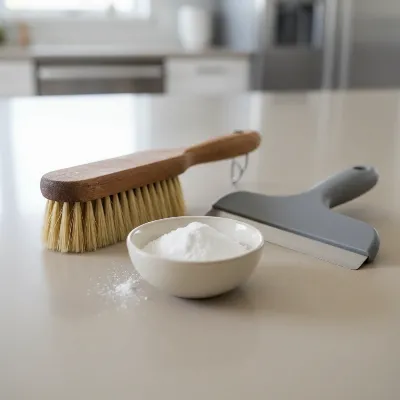 A collection of pizza stone cleaning tools including a stiff brush, plastic scraper, and baking soda.
Maintaining Your Pizza Stone for Long-Lasting Performance
Regular care goes a long way in keeping your pizza stone in top condition and minimizing the need for deep cleaning.
- Preheat Thoroughly: Always place your pizza stone in a cold oven and allow it to preheat with the oven for at least 30-60 minutes after the oven reaches its target temperature. This ensures even heat distribution and reduces the chance of food sticking.
- Use Cornmeal or Flour: Sprinkle a thin layer of cornmeal, semolina flour, or regular flour on the stone before sliding your pizza onto it. This acts as tiny ball bearings, helping the pizza slide off easily and preventing sticking.
- Clean After Every Use (Lightly): After each use and once cool, give your stone a quick scrape and brush to remove any loose debris. This prevents significant build-up over time.
- Avoid Cutting Directly on the Stone: Use a pizza wheel or knife to cut your pizza after transferring it to a cutting board. Cutting directly on the stone can scratch its surface.
- Proper Storage: Store your dry pizza stone in a safe, dry place, ideally within the oven itself, or in a kitchen cabinet where it won’t be exposed to moisture or accidental knocks.
When to Consider Replacing Your Pizza Stone
While pizza stones are built to last, they don’t last forever. If your stone has developed significant, deep cracks that run all the way through, it’s time for a replacement. A severely cracked stone can shatter in the oven, posing a safety risk. Minor surface imperfections or discoloration are normal and do not warrant replacement.
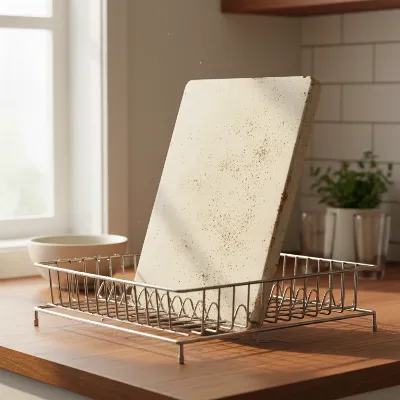 A pizza stone air drying upright on a kitchen counter with sunlight, symbolizing natural drying.
Conclusion
A well-maintained pizza stone is an invaluable tool for any home pizza enthusiast, capable of transforming ordinary pies into crispy, pizzeria-quality masterpieces. By understanding its unique, porous nature and adhering to a soap-free, gentle cleaning regimen, you can ensure your stone continues to deliver exceptional results for years to come. From scraping away burnt debris to harnessing the power of baking soda and high heat, you now have all the knowledge to keep your pizza stone safely clean and perfectly seasoned. So, what delicious creation will you bake on your beautifully restored pizza stone next?
Frequently Asked Questions
Can I put my pizza stone in the dishwasher?
No, absolutely not. Pizza stones are highly porous and will absorb water and harsh dishwasher detergents, leading to cracking and imparting a soapy flavor to future pizzas. Always clean your pizza stone by hand.
Is it normal for my pizza stone to be stained and dark?
Yes, it is completely normal and even desirable for your pizza stone to darken and develop stains over time. These dark spots are signs of seasoning, much like a cast-iron skillet, and they enhance the stone’s non-stick properties and overall performance.
How often should I clean my pizza stone?
A light cleaning (scraping and brushing) is recommended after every use once the stone has cooled. A deeper clean with baking soda or a high-heat burn-off can be done every few uses or when significant build-up occurs. Remember, don’t strive for a perfectly new look.
Can I use steel wool or metal scrapers to clean my pizza stone?
Avoid using steel wool, metal scouring pads, or sharp metal scrapers, as these can scratch the porous surface of your pizza stone. Scratches can create areas where food is more likely to stick and burn, compromising the stone’s performance. Stick to plastic, wood, or specialized stone scrapers.
What if my pizza stone still smells after cleaning?
If your pizza stone retains an odor, a high-heat burn-off (placing it in a 500-550°F oven for an hour) can help eliminate lingering smells by incinerating any deeply absorbed residues. Ensure good ventilation during this process.