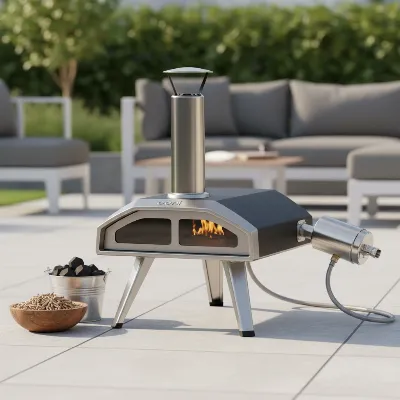
The aroma of freshly baked pizza wafting through your backyard is a quintessential joy, making an outdoor pizza oven a coveted addition to any home. Yet, the elements can be harsh on outdoor appliances, raising concerns about longevity and maintenance. Choosing a pizza oven crafted from high-quality stainless steel offers a compelling solution, promising not only exceptional performance but also enduring rust resistance that keeps your outdoor kitchen looking pristine and functioning flawlessly for years. This comprehensive guide will explore the world of rust-proof stainless steel pizza ovens, helping you understand the materials, features, and care needed to make the perfect, durable choice for your culinary adventures.
Pizza Oven: Overview and Buying Guide
A pizza oven is a specialized cooking appliance designed to achieve extremely high temperatures, typically ranging from 700°F to over 950°F (370°C to 510°C), far exceeding what conventional kitchen ovens can reach. This intense heat is crucial for cooking pizzas rapidly, often in under 90 seconds, resulting in the desired crispy crust, perfectly melted cheese, and charred bubbles characteristic of authentic pizzeria-style pies. While the concept of high-heat cooking for pizza has existed for centuries, modern pizza ovens have evolved from bulky brick structures to sleek, portable, and highly efficient units powered by wood, gas, or electricity.
Why Stainless Steel for Pizza Ovens?
|
Our Picks for the Best Pizza Oven in 2026
As an Amazon Associate I earn from qualifying purchases.
|
||
| Num | Product | Action |
|---|---|---|
| 1 | BIG HORN OUTDOORS 12" Multi-Fuel Outdoor Pizza Oven – 3-in-1 Wood-Fired, Gas & Electric Compatible (Burners Sold Separately), Pellet Pizza Oven Portable Pizza Maker for Backyard, Camping & Tailgating |

|
| 2 | PIEZANO 12 Inch Electric Indoor Pizza Oven Heats up to 800˚F - Pizza Maker with Ceramic Stone for Crispy Crust Pizza, Cooks in Under 6 Minutes, Countertop, Dual Heat Control, Peels & Scraper Included |
|
| 3 | Pizza Oven Indoor, 12 Inch Retro Pizza Maker, Rapid Heating 800˚F, 1200W Glazed Ceramic Stone Electric Pizza Cooker, Two-button Precise Temperature Control, Viewing Window for Precise Cooking |
|
| 4 | Presto 03430 Pizzazz Plus Rotating Oven, Black |
|
| 5 | Electric-Pizza-Oven-Indoor, 12 Inches Countertop Cooker,800℉ Electric Pizza Maker with Timer, Ceramic Stone, Viewing Window, Complete Accessory Kit, Black |
|
| 6 | Gourmia Indoor Pizza Oven Air Fryer Toaster – 1800W Countertop Multi-Cooker with Pizza Stone, Digital Controls & 6 Presets, Stainless Steel |
|
| 7 | Presto 03434 Pizzaz Plus Rotating Oven - 12-Inch, Countertop Pizza Oven, Nonstick Tray, Top and Bottom Heating Elements, Easy to Clean, Green/Gold |
|
| 8 | PIEZANO XL 14 Inch Electric Indoor Pizza Oven Heats up to 800˚F - Pizza Maker with Stone for Crispy Crust Pizza, Cooks in Under 6 Minutes, Countertop, Dual Heat Control, Peels & Scraper Included |
|
| 9 | Pizza Oven Outdoor 12" Wood Fired Pizza Ovens Pellet Pizza Stove for outside, Portable Stainless Steel Pizza Oven for Backyard Pizza Ovens |
|
| 10 | CHEFMAN Indoor Pizza Oven - Makes 12 Inch Pizzas in Minutes, Heats up to 800°F - Countertop Electric Pizza Maker with 5 Touchscreen Presets, Pizza Stone and Peel Included - Stainless Steel |
|
When it comes to outdoor appliances, durability is paramount, and stainless steel stands out as an excellent material choice for pizza ovens. Its primary advantage is natural corrosion resistance, largely due to its chromium content, which forms a protective passive layer on the surface that prevents rust and degradation from exposure to rain, humidity, and varying temperatures. This inherent resilience means stainless steel ovens require minimal maintenance to stay looking good and performing optimally, a significant benefit compared to carbon steel models that demand regular seasoning and careful storage to prevent rust. Beyond its functional toughness, stainless steel also offers a clean, modern aesthetic that seamlessly integrates into contemporary outdoor living spaces.
Understanding Stainless Steel Grades for Rust-Proof Ovens
The term “stainless steel” refers to a family of iron-based alloys, and not all are created equal in terms of rust resistance and durability, especially when exposed to harsh outdoor conditions and high temperatures. Understanding the different grades is crucial for selecting a pizza oven that truly won’t rust. The most common and reliable grades for pizza ovens are 304 and 316.
304 Stainless Steel (The Industry Standard)
Often referred to as “18/8 stainless steel,” Grade 304 is the most widely used and versatile type of stainless steel. Its composition typically includes 18% chromium and 8% nickel, which provides excellent resistance to corrosion, oxidation, and high temperatures. This grade is highly durable, can withstand the rigors of frequent use and extreme heat without warping, and is notably easy to clean, making it a preferred material for commercial pizza ovens and much kitchen equipment. For most home outdoor pizza ovens not in extreme coastal environments, 304 stainless steel offers robust protection against rust and ensures a long lifespan.
316 Stainless Steel (The Premium Choice)
Grade 316 stainless steel takes corrosion resistance a step further. It shares a similar composition with 304 but includes the addition of 2-3% molybdenum, a powerful alloying element. This molybdenum content dramatically enhances its resistance to chlorides, making it exceptionally resilient in environments with high salt exposure, such as coastal areas, or where harsh cleaning chemicals might be used. Often dubbed “marine grade,” 316 stainless steel is the premium choice for outdoor pizza ovens that will face the toughest conditions, offering superior longevity and protection against pitting corrosion. While it comes at a higher cost, the investment can save money in the long run by preventing premature replacement in demanding environments.
Other grades like 201 stainless steel (lower cost, poorer corrosion resistance) and 430 stainless steel (low price, not suitable for oven interior due to poor corrosion resistance) are generally not recommended for the primary construction of durable, rust-proof outdoor pizza ovens, though 430 may be used for non-critical external panels or legs in hybrid designs.
Key Features of Rust-Resistant Stainless Steel Pizza Ovens
Beyond the grade of stainless steel, several design and construction features contribute to an oven’s overall durability and rust resistance.
- Construction Quality: Look for ovens with seamless construction where possible. Fewer seams mean fewer potential weak points for moisture infiltration and heat loss, contributing to both longevity and consistent cooking performance. Welds should be clean and robust, as improper welding can compromise the steel’s corrosion resistance.
- Insulation and Heat Retention: While stainless steel generally has lower thermal mass than carbon steel or brick, good insulation is crucial for efficient heat retention and even heat distribution. A well-insulated stainless steel oven will maintain stable cooking temperatures, reduce fuel consumption, and prevent the exterior from becoming excessively hot, enhancing safety.
- Gauge of Steel: The thickness, or gauge, of the stainless steel used impacts the oven’s structural integrity and resistance to warping under extreme heat. A heavier gauge (lower number) typically indicates a sturdier build. Many manufacturers use 16-gauge stainless steel for key structural components in pizza ovens.
- Design for Weather Protection: Features like a well-designed chimney cap, effective ventilation, and optional custom-fit covers can further protect the oven from moisture accumulation, debris, and UV damage, extending its rust-free life. Thoughtful design minimizes crevices where water can pool.
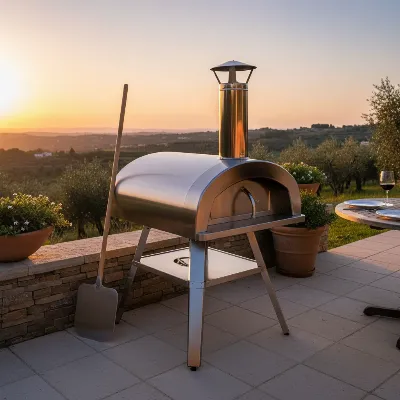 Sleek stainless steel outdoor pizza oven on a patio, showcasing rust-proof design and modern aesthetics
Comparing Stainless Steel Pizza Oven Fuel Types
Stainless steel pizza ovens come in various fuel configurations, each offering distinct advantages that might influence your choice based on convenience, desired flavor, and cooking style.
- Gas-Powered Ovens: These ovens are celebrated for their convenience and precise temperature control. They typically heat up quickly and maintain a consistent temperature, making them ideal for beginners and those who prioritize ease of use over traditional flavors. Gas models offer a clean burn with minimal cleanup.
- Wood-Fired Ovens: For the purist, wood-fired stainless steel ovens impart an incomparable smoky flavor to pizzas. They reach extremely high temperatures, perfect for Neapolitan-style pizzas with charred, bubbly crusts. While they require more effort in managing the fire and cleaning ash, the authentic taste is often considered worth it.
- Multi-Fuel Ovens: Many stainless steel ovens offer the versatility of using multiple fuel sources, such as wood/charcoal and gas. This flexibility allows users to choose between the convenience of gas and the authentic flavor of wood, adapting to different cooking occasions and preferences.
- Electric Ovens: Less common for high-heat outdoor pizza, electric stainless steel ovens prioritize ease of use and consistency, often within a contained system. They are ideal for those who want a simple plug-and-play experience without managing flames or fuel, though they may not reach the same extreme temperatures as gas or wood-fired options.
| Feature | Gas-Powered Stainless Steel Ovens | Wood-Fired Stainless Steel Ovens | Electric Stainless Steel Ovens |
|---|---|---|---|
| Heat-Up Time | Fast | Moderate to Fast | Moderate |
| Temperature Control | Precise, consistent | Requires skill | Precise, consistent |
| Flavor Profile | Clean | Smoky, authentic | Clean |
| Ease of Use | Very easy, minimal supervision | More involved, requires fuel mgmt | Very easy, plug-and-play |
| Cleanup | Minimal | Ash removal | Minimal |
| Cost of Fuel | Moderate | Varies (wood supply) | Moderate (electricity) |
| Portability | Often highly portable | Varies by design | Generally portable |
How to Choose a Stainless Steel Pizza Oven That Lasts
Selecting the right stainless steel pizza oven requires balancing your culinary ambitions with practical considerations to ensure a long-lasting and satisfying investment.
Determine Your Needs
Before diving into models, clarify your primary use for the oven. Are you a casual home cook looking for occasional backyard pizzas, or do you plan to host frequent gatherings and need a robust, high-capacity unit? Will it be permanently installed in an outdoor kitchen, or do you require a portable oven for camping or tailgating? This will influence the size, fuel type, and durability requirements. For instance, a portable oven will benefit from a lighter yet durable 304 stainless steel construction.
Budget
Stainless steel pizza ovens vary widely in price, influenced by the grade of steel, size, features, and brand. While 316 stainless steel offers superior rust resistance for extreme conditions, it will be more expensive than 304. Determine a realistic budget, but remember that investing in a higher-quality stainless steel can reduce long-term costs associated with replacement or extensive maintenance due to rust.
Size & Space
Consider the available space in your backyard or patio. Measure the area where the oven will be placed, taking into account clearances for heat and smoke. If you have limited space, a compact or portable model might be ideal. Conversely, a larger family or frequent entertainer might benefit from an oven that can accommodate larger pizzas or cook multiple items simultaneously.
Essential Features
Look for features that enhance both performance and longevity. A built-in thermometer is useful for monitoring internal temperatures, though a separate infrared thermometer offers more precise stone temperature readings. Robust legs and a stable base are crucial for safety, especially with larger units. Good insulation is key for consistent cooking and fuel efficiency. Some models even offer self-cleaning features that use high heat to burn off residue.
Brand Reputation
While the article focuses on material, generally reputable brands in the outdoor pizza oven market often use higher-quality stainless steel and superior construction techniques. Researching user reviews and professional assessments of manufacturers can provide insights into overall product reliability and customer satisfaction, ensuring you choose a brand known for durable offerings.
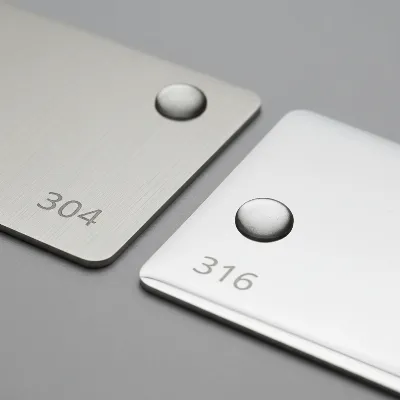 Close-up comparison of 304 and 316 stainless steel samples, highlighting differences in finish and implied rust resistance
Maintaining Your Stainless Steel Pizza Oven for Longevity
Even with the inherent rust resistance of stainless steel, proper care and maintenance are essential to ensure your pizza oven remains in peak condition and performs optimally for many years.
- Regular Cleaning: After each use, allow the oven to cool completely. Wipe down the exterior with a damp cloth and mild detergent to remove grease, food splatters, and environmental grime. For stubborn spots, a stainless steel cleaner can restore its luster. Avoid abrasive scrubbers or harsh chemicals that could scratch the surface or compromise the protective chromium layer. The smooth, non-porous surface of 304 and 316 stainless steel makes them easy to sanitize.
- Protective Covers: Investing in a high-quality, custom-fit cover is one of the best ways to protect your outdoor stainless steel pizza oven from the elements. A cover shields it from rain, snow, dust, pollen, and harmful UV rays, significantly reducing exposure to moisture and potential degradation, even for highly rust-resistant grades.
- Addressing Minor Issues: If you notice any discoloration or minor surface rust (often “tea staining” from external elements, not the steel itself rusting), address it promptly. A paste of baking soda and water or a specialized stainless steel polish can often remove these blemishes. Regularly inspect seals, connections, and the chimney for any signs of wear or damage.
Where to Purchase Quality Stainless Steel Pizza Ovens
Finding a reliable stainless steel pizza oven is easier than ever, with numerous options available through various channels.
- Specialized Outdoor Appliance Retailers: These stores often carry a curated selection of high-quality pizza ovens, including premium stainless steel models. The staff can provide expert advice, demonstrate features, and assist with comparisons.
- Online Marketplaces: Major online retailers offer a vast array of stainless steel pizza ovens from various brands. This provides convenience and often competitive pricing, along with user reviews that can offer valuable insights. However, verify the stainless steel grade if not explicitly stated.
- Manufacturer Websites: Purchasing directly from a brand’s website ensures you get authentic products and direct access to customer support and warranty information. Many manufacturers provide detailed specifications on the stainless steel grades used in their ovens.
When buying online, always scrutinize product descriptions for the specific grade of stainless steel (e.g., 304 or 316), gauge thickness, and warranty details. Read customer reviews focusing on durability and long-term performance in various climates to ensure you’re making an informed choice.
Conclusion
Choosing a stainless steel pizza oven is an excellent decision for anyone seeking a durable, high-performance outdoor cooking appliance that resists rust and withstands the elements. By understanding the critical differences between stainless steel grades like 304 and 316, you can make an informed choice that matches your environment and budget, ensuring your investment stands the test of time. With thoughtful selection and consistent care, your rust-proof stainless steel pizza oven will continue to deliver delicious, authentic pizzas, bringing joy and culinary excitement to your backyard for many seasons to come. Are you ready to elevate your outdoor cooking experience with a stainless steel pizza oven that truly won’t rust?
Câu Hỏi Thường Gặp
Can stainless steel pizza ovens rust over time?
While highly resistant, no stainless steel is truly “rust-proof” under all conditions. However, high-quality grades like 304 and especially 316 are extremely corrosion-resistant, particularly when properly maintained with cleaning and protective covers. Surface discoloration or “tea staining” can occur but is typically not structural rust.
What is marine-grade stainless steel in pizza ovens?
Marine-grade stainless steel typically refers to Grade 316. This alloy includes molybdenum, which gives it superior resistance to chlorides and salt corrosion, making it ideal for outdoor pizza ovens located in coastal areas or highly humid environments.
How often should I clean my stainless steel pizza oven?
It is recommended to clean your stainless steel pizza oven after each use, once it has cooled, to remove food debris, grease, and environmental grime. A quick wipe-down with a damp cloth and mild detergent is usually sufficient, with deeper cleaning using a stainless steel cleaner as needed.
Is 304 or 316 stainless steel better for outdoor pizza ovens?
For most outdoor environments, 304 stainless steel offers excellent rust resistance and durability. However, if your oven will be exposed to saltwater spray or extremely harsh chemicals, 316 (marine-grade) stainless steel provides superior corrosion protection and a longer lifespan, justifying its higher cost.
Do stainless steel pizza ovens retain heat well?
Stainless steel ovens are designed for rapid heat-up and good heat reflection. While they may have a lower thermal mass than traditional brick ovens, modern stainless steel Pizza Ovens often incorporate excellent insulation and design features to ensure stable, high temperatures for consistent and efficient pizza cooking.