Understanding pizza oven insulation is crucial for efficient cooking and heat retention. While many modern outdoor pizza ovens come with adequate built-in insulation, some models, particularly DIY or older units, can significantly benefit from additional insulating materials. Proper insulation ensures consistent internal temperatures, reduces fuel consumption, and allows for faster cooking times, ultimately enhancing the quality of your homemade pizzas.
Why Insulation Matters for Pizza Ovens
Insulation plays a vital role in maintaining the high temperatures required for authentic pizza. Without sufficient insulation, heat rapidly escapes, leading to uneven cooking, longer preheating times, and increased fuel usage. A well-insulated oven can reach and hold temperatures exceeding 800°F (427°C), which is essential for achieving a crispy crust and perfectly cooked toppings in just 60-90 seconds. This thermal efficiency also contributes to the longevity of your oven by reducing stress on its components.
Types of Insulation Materials for Pizza Ovens
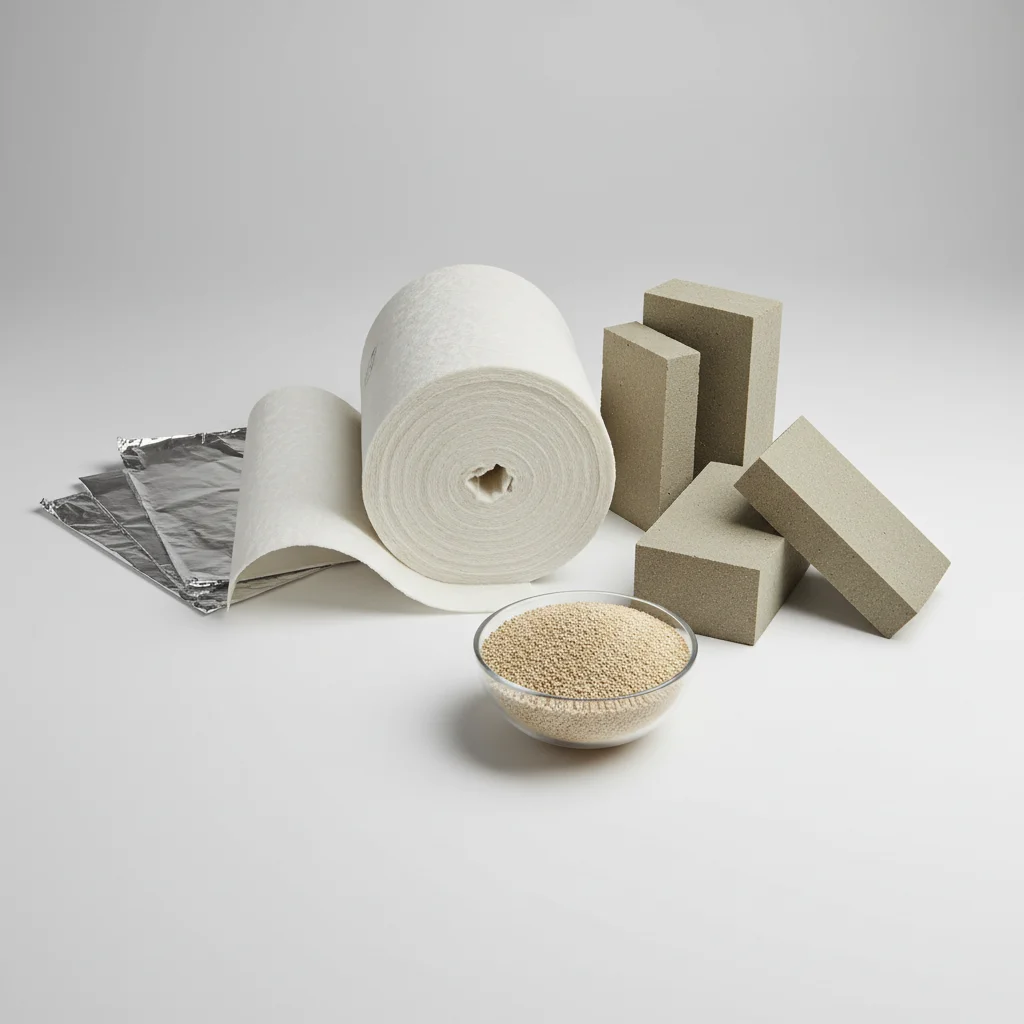
Several materials are commonly used for pizza oven insulation, each with distinct properties. Ceramic fiber blankets are a popular choice due to their excellent thermal resistance and flexibility, making them easy to wrap around various oven shapes. Perlite and vermiculite are lightweight aggregates often mixed with cement to create an insulating layer, particularly for the dome and base. Fire bricks, while primarily structural, also offer some insulating properties, especially when used in conjunction with other materials. For the oven base, calcium silicate boards provide robust insulation and support.
- Ceramic fiber blanket: High thermal resistance, flexible, easy to install.
- Perlite/Vermiculite: Lightweight, good for mixing with cement, cost-effective.
- Calcium silicate board: Excellent base insulation, strong and durable.
- Refractory cement: Used for sealing and adding a protective layer over insulation.
Assessing Your Oven’s Insulation Needs
|
Our Picks for the Best Pizza Oven in 2026
As an Amazon Associate I earn from qualifying purchases.
|
||
| Num | Product | Action |
|---|---|---|
| 1 | BIG HORN OUTDOORS 12" Multi-Fuel Outdoor Pizza Oven – 3-in-1 Wood-Fired, Gas & Electric Compatible (Burners Sold Separately), Pellet Pizza Oven Portable Pizza Maker for Backyard, Camping & Tailgating |

|
| 2 | PIEZANO XL 14 Inch Electric Indoor Pizza Oven Heats up to 800˚F - Pizza Maker with Stone for Crispy Crust Pizza, Cooks in Under 6 Minutes, Countertop, Dual Heat Control, Peels & Scraper Included |
|
| 3 | Presto 03434 Pizzaz Plus Rotating Oven - 12-Inch, Countertop Pizza Oven, Nonstick Tray, Top and Bottom Heating Elements, Easy to Clean, Green/Gold |
|
| 4 | Gourmia Indoor Pizza Oven Air Fryer Toaster – 1800W Countertop Multi-Cooker with Pizza Stone, Digital Controls & 6 Presets, Stainless Steel |
|
| 5 | CHEFMAN Indoor Pizza Oven - Makes 12 Inch Pizzas in Minutes, Heats up to 800°F - Countertop Electric Pizza Maker with 5 Touchscreen Presets, Pizza Stone and Peel Included - Stainless Steel |
|
| 6 | Pizza Oven Outdoor 12" Wood Fired Pizza Ovens Pellet Pizza Stove for outside, Portable Stainless Steel Pizza Oven for Backyard Pizza Ovens |
|
| 7 | Presto 03430 Pizzazz Plus Rotating Oven, Black |
|
| 8 | Pizza Oven Indoor, 12 Inch Retro Pizza Maker, Rapid Heating 800˚F, 1200W Glazed Ceramic Stone Electric Pizza Cooker, Two-button Precise Temperature Control, Viewing Window for Precise Cooking |
|
| 9 | PIEZANO 12 Inch Electric Indoor Pizza Oven Heats up to 800˚F - Pizza Maker with Ceramic Stone for Crispy Crust Pizza, Cooks in Under 6 Minutes, Countertop, Dual Heat Control, Peels & Scraper Included |
|
| 10 | Electric-Pizza-Oven-Indoor, 12 Inches Countertop Cooker,800℉ Electric Pizza Maker with Timer, Ceramic Stone, Viewing Window, Complete Accessory Kit, Black |
|
To determine if your outdoor pizza oven requires additional insulation, consider its current performance. If your oven struggles to reach target temperatures, loses heat quickly between pizzas, or consumes an excessive amount of fuel, it likely needs better insulation. You can also perform a simple touch test on the exterior of the oven after it has been running for a while; if the exterior is excessively hot, heat is escaping, indicating a need for more insulation. DIY ovens, in particular, often benefit from a comprehensive insulation strategy during construction.
For those looking to upgrade their existing setup, consider adding a layer of ceramic fiber blanket around the dome, followed by a protective layer of refractory cement. For the base, ensuring a thick layer of insulating material like calcium silicate board or a perlite/cement mix is crucial.Investing in quality insulation materials can significantly improve your pizza-making experience and reduce long-term operating costs.
Installing Additional Insulation
Adding insulation to an existing pizza oven typically involves several steps. First, ensure the oven is completely cool and clean. For the dome, carefully wrap ceramic fiber blankets around the exterior, securing them with high-temperature wire or straps. Overlap the edges to prevent thermal bridges. Next, apply a layer of refractory cement or a stucco mix over the blanket to protect it from the elements and provide a finished look. For the base, if accessible, you might add a layer of calcium silicate board or a perlite/cement mixture beneath the cooking surface. Always wear appropriate safety gear, including gloves and a mask, when working with insulating materials.Proper installation ensures maximum thermal efficiency and safety for your outdoor cooking adventures.
