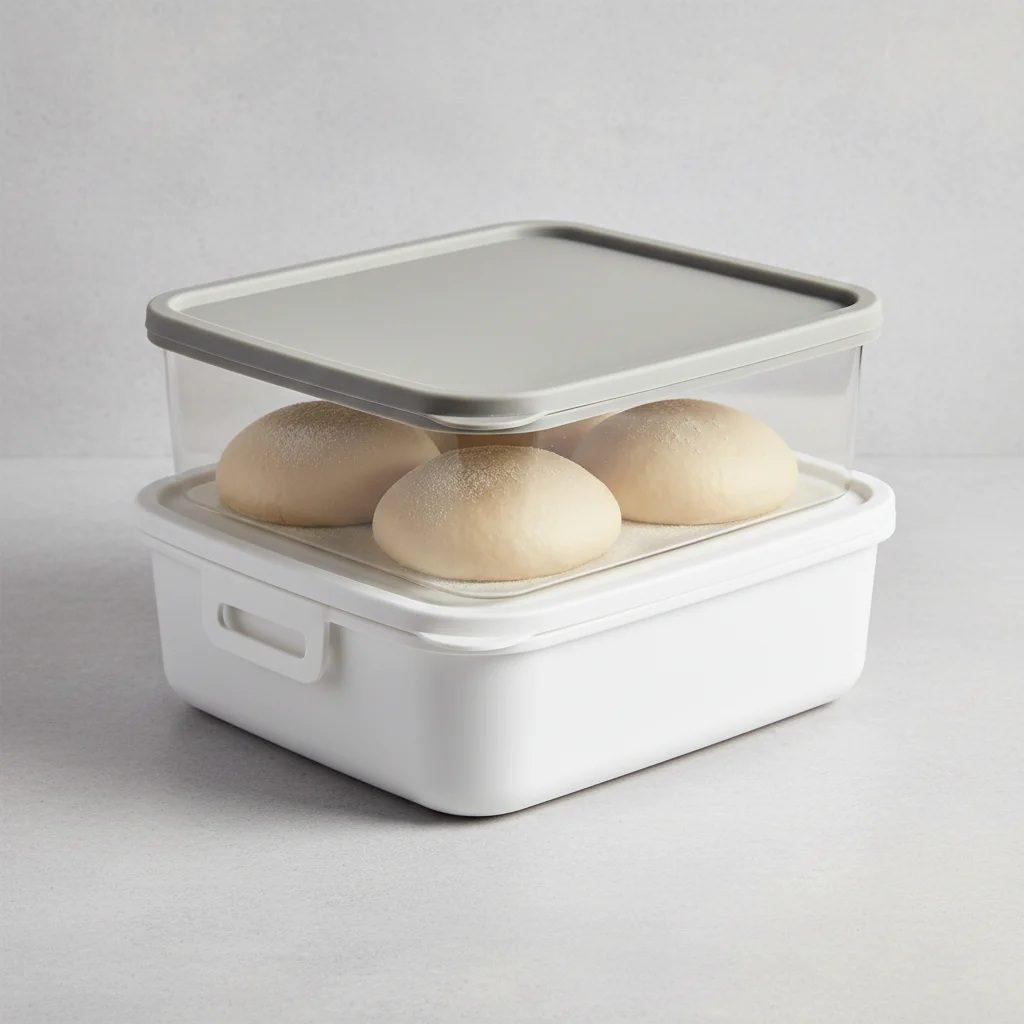
Pizza oven dough boxes are a valuable investment for serious home pizza makers, offering significant benefits in dough management and consistency. Specifically, they provide an optimal environment for proofing and storing dough, leading to better texture and flavor in your final pizzas. While not strictly essential for occasional use, for those making pizza regularly or in larger batches, a dough box streamlines the process and elevates the quality of their crusts.
Dough boxes, typically made from food-grade plastic, are designed to create a consistent microclimate for your dough. Their airtight or semi-airtight seals prevent the dough from drying out, which is a common issue when using standard bowls or containers. This controlled environment also helps maintain a stable temperature, crucial for proper yeast activity and gluten development. The stackable design of many dough boxes is another practical advantage, saving valuable counter or refrigerator space, especially when proofing multiple dough balls.
The Science Behind Dough Box Benefits
The primary benefit of a pizza oven dough box lies in its ability to regulate humidity and temperature. When dough proofs in an open bowl, it’s exposed to ambient air, which can cause a crust to form on the surface. This crust inhibits further rising and can lead to a less tender final product. Dough boxes, by contrast, trap the moisture released by the dough itself, creating a humid environment that keeps the surface supple. This allows the dough to expand evenly and develop a smooth, elastic texture.
Furthermore, the consistent temperature within a dough box promotes more predictable fermentation. Fluctuations in room temperature can either slow down or speed up the proofing process, making it harder to time your pizza making. A good dough box helps buffer these external changes, ensuring your dough is ready when you are. This consistency is key to achieving that perfect airy, chewy crust.
Key Features to Look for in a Quality Dough Box
|
Our Picks for the Best Pizza Oven in 2026
As an Amazon Associate I earn from qualifying purchases.
|
||
| Num | Product | Action |
|---|---|---|
| 1 | Pizza Oven Outdoor 12" Wood Fired Pizza Ovens Pellet Pizza Stove for outside, Portable Stainless Steel Pizza Oven for Backyard Pizza Ovens |

|
| 2 | PIEZANO 12 Inch Electric Indoor Pizza Oven Heats up to 800˚F - Pizza Maker with Ceramic Stone for Crispy Crust Pizza, Cooks in Under 6 Minutes, Countertop, Dual Heat Control, Peels & Scraper Included |
|
| 3 | CHEFMAN Indoor Pizza Oven - Makes 12 Inch Pizzas in Minutes, Heats up to 800°F - Countertop Electric Pizza Maker with 5 Touchscreen Presets, Pizza Stone and Peel Included - Stainless Steel |
|
| 4 | Electric-Pizza-Oven-Indoor, 12 Inches Countertop Cooker,800℉ Electric Pizza Maker with Timer, Ceramic Stone, Viewing Window, Complete Accessory Kit, Black |
|
| 5 | Presto 03434 Pizzaz Plus Rotating Oven - 12-Inch, Countertop Pizza Oven, Nonstick Tray, Top and Bottom Heating Elements, Easy to Clean, Green/Gold |
|
| 6 | Gourmia Indoor Pizza Oven Air Fryer Toaster – 1800W Countertop Multi-Cooker with Pizza Stone, Digital Controls & 6 Presets, Stainless Steel |
|
| 7 | BIG HORN OUTDOORS 12" Multi-Fuel Outdoor Pizza Oven – 3-in-1 Wood-Fired, Gas & Electric Compatible (Burners Sold Separately), Pellet Pizza Oven Portable Pizza Maker for Backyard, Camping & Tailgating |
|
| 8 | PIEZANO XL 14 Inch Electric Indoor Pizza Oven Heats up to 800˚F - Pizza Maker with Stone for Crispy Crust Pizza, Cooks in Under 6 Minutes, Countertop, Dual Heat Control, Peels & Scraper Included |
|
| 9 | Pizza Oven Indoor, 12 Inch Retro Pizza Maker, Rapid Heating 800˚F, 1200W Glazed Ceramic Stone Electric Pizza Cooker, Two-button Precise Temperature Control, Viewing Window for Precise Cooking |
|
| 10 | Presto 03430 Pizzazz Plus Rotating Oven, Black |
|
When selecting a pizza oven dough box, several features are important to consider. First, material quality is paramount; look for durable, food-grade plastic that is easy to clean and resistant to warping. Size is another critical factor; ensure the box is large enough to accommodate the number and size of dough balls you typically make, allowing ample space for them to expand without touching. Many boxes come in standard sizes like 18×26 inches or smaller, more compact options.
A tight-fitting lid is essential for maintaining the internal environment. Some lids are completely airtight, while others offer a slightly looser fit, which can be beneficial for longer ferments. Stackability is a practical feature for storage and proofing multiple batches. Finally, consider the ease of cleaning; smooth, non-porous surfaces are ideal for preventing dough residue from sticking and for maintaining hygiene.
Optimizing Dough Management with a Dough Box
Using a dough box effectively can significantly improve your pizza-making workflow. After portioning your dough, lightly oil the inside of the dough box or individual dough balls to prevent sticking. Place the dough balls with enough space between them to allow for expansion. For cold fermentation, place the sealed dough box directly into the refrigerator. The box will protect the dough from drying out over extended periods, allowing for a slow, flavor-developing proof.
When you’re ready to make pizza, remove the dough box from the refrigerator and let it come to room temperature for an hour or two, depending on your recipe and ambient conditions. The consistent environment of the dough box ensures that all your dough balls proof evenly, making them easier to handle and stretch. This uniformity is particularly beneficial when preparing multiple pizzas for a gathering.
Beyond Proofing: Storage and Versatility
Dough boxes aren’t just for proofing; they are also excellent for short-term storage of leftover dough. If you have extra dough after a pizza session, you can store it in the sealed box in the refrigerator for a day or two, preserving its quality for another use. This reduces waste and allows for spontaneous pizza making.
Many home pizza enthusiasts also find dough boxes useful for other kitchen tasks. They can be used for marinating meats, storing baked goods, or even as a shallow container for prepping ingredients. Their durable construction and food-safe materials make them a versatile addition to any kitchen, extending their value beyond just pizza dough.
- Consistent Humidity: Prevents dough from drying out and forming a crust.
- Stable Temperature: Promotes predictable and even fermentation.
- Space Efficiency: Stackable designs save valuable counter and fridge space.
- Improved Dough Handling: Leads to more elastic and easier-to-stretch dough.
- Enhanced Flavor & Texture: Contributes to a superior final pizza crust.
