For decades, the allure of perfectly cooked, smoky pizza has drawn enthusiasts into the world of outdoor pizza ovens. What started as massive brick structures has evolved into a diverse market of sophisticated, often portable, cooking devices. But when it comes to capturing that authentic taste, the debate often narrows down to two primary contenders: pellet pizza ovens and traditional wood-fired ovens. Each promises a unique experience and exceptional results, making the choice a delicious dilemma for any home chef or backyard entertainer. Let’s delve into their intricacies to help you discover which oven will be the heart of your next pizza night.
Pizza Ovens: An Overview
At its core, a pizza oven is a culinary tool designed to reach exceptionally high temperatures, far beyond what a conventional kitchen oven can achieve. This intense heat, often exceeding 900°F (480°C), is crucial for cooking pizzas rapidly—often in under two minutes—resulting in a perfectly crispy crust, bubbly cheese, and beautifully charred edges, characteristic of Neapolitan-style pizza. The magic lies in how these ovens transfer heat. They utilize a combination of radiant heat (from flames and heated dome reflecting onto the pizza), convection heat (hot air circulating around the cooking chamber), and conductive heat (the super-hot cooking stone or floor directly crisping the base of the pizza). [cite: 5 (search 3)]
Historically, pizza ovens have roots in ancient baking traditions, with rudimentary stone and clay structures used for millennia. The classic domed, wood-burning oven, perfected in Italy, became the gold standard for authentic pizza. While these traditional ovens were typically large, permanent installations, modern innovation has brought scaled-down, more accessible versions, including portable units and those powered by alternative fuels like pellets, gas, and electricity.
Understanding Your Fuel: Pellet vs. Wood-Fired Ovens
The choice between a pellet and a traditional wood-fired pizza oven largely boils down to how you prefer to manage your fire and the nuances of the cooking experience. Both aim to deliver that signature wood-fired flavor, but they go about it in distinct ways.
Pellet Pizza Ovens: The Modern Approach
Pellet pizza ovens represent a contemporary evolution, combining the convenience of modern engineering with the beloved taste of wood-fired cooking. These ovens utilize compressed wood pellets as their fuel source, which are often fed into a burn chamber through an automated or semi-automated system. This mechanism allows for a more controlled and consistent burn. [cite: 1 (search 1)]
The operation is relatively straightforward: you load a hopper with food-grade wood pellets, ignite them, and the oven draws in oxygen to create an efficient, high-temperature flame. Many pellet ovens can reach optimal cooking temperatures, often between 700°F and 900°F (370°C and 480°C), in as little as 15-20 minutes. [cite: 3 (search 1), 2 (search 2)] The use of uniform pellets helps maintain a steady temperature, which can be advantageous for new users or those prioritizing consistency over the hands-on process of tending a log fire. [cite: 2 (search 1)]
Advantages of Pellet Pizza Ovens:
- Enhanced Temperature Control: Pellet ovens often allow for easier regulation of heat by adjusting the pellet feed rate and airflow, leading to more consistent cooking temperatures. [cite: 1 (search 1), 3 (search 1)]
- Faster Heat-Up: Many models can achieve desired cooking temperatures quickly, typically within 15-20 minutes, making them convenient for spontaneous pizza nights. [cite: 3 (search 1), 2 (search 2)]
- Clean and Efficient Burn: Wood pellets are a renewable and clean-burning fuel, producing less ash and smoke compared to traditional logs. This makes cleanup generally easier. [cite: 3 (search 1), 1 (search 2)]
- Portability: A significant number of pellet pizza ovens are designed to be compact and portable, ideal for backyard use, camping, or tailgating. [cite: 1 (search 1), 2 (search 2)]
- Authentic Flavor: They aim to impart a rich, smoky flavor to pizzas, closely mimicking traditional wood-fired results. [cite: 3 (search 1)]
Disadvantages of Pellet Pizza Ovens:
- Reliance on Pellet Supply: You need a continuous supply of specific wood pellets, which means ensuring you have enough on hand for your cooking sessions. [cite: 3 (search 1), 4 (search 1)]
- Moisture Sensitivity: Pellets can be sensitive to moisture, potentially affecting their burn quality and leading to feeding issues. [cite: 5 (search 1)]
- Ash Production: While less than logs, ash residue still needs to be dealt with, and proper ventilation is required due to smoke emissions, making indoor use impractical without professional ducting. [cite: 3 (search 1)]
- “Fickle” Burn: Some users find pellets can burn quickly and require frequent refilling, especially for longer cooking sessions. [cite: 5 (search 1)]
Wood-Fired Pizza Ovens: The Traditional Choice
Traditional wood-fired pizza ovens, typically burning logs of hardwood, are revered for delivering the quintessential pizza experience. These ovens often feature thick brick or stone construction designed to absorb and retain immense heat. A fire is built directly inside the cooking chamber, and as the flames heat the oven’s dome, walls, and floor to extremely high temperatures (often exceeding 900°F), the heat is stored within the oven’s mass. Once the desired temperature is reached, the embers are typically pushed to one side, and the pizza is cooked directly on the hot stone surface, bathed in radiant heat from the dome and flame. [cite: 1 (search 1), 1 (search 3), 5 (search 3)]
This method allows for a unique combination of cooking forces: intense radiant heat from above, conductive heat from the hearth below, and convection heat circulating within the dome. The process is hands-on, requiring a certain level of skill to manage the fire, maintain consistent temperatures, and rotate pizzas for an even cook.
Advantages of Wood-Fired Pizza Ovens:
- Unmatched Authentic Experience: For many, the process of building and tending a wood fire is part of the charm, offering a deeply satisfying and traditional cooking ritual. [cite: 3 (search 1)]
- Superior Flavor and Texture: Wood-fired ovens are celebrated for imparting an authentic smoky flavor and creating a distinct crispy-chewy crust. The high heat seals in moisture, leading to a perfectly cooked interior. [cite: 3 (search 1)]
- Extreme High Temperatures: These ovens can reach and sustain exceptionally high temperatures (often 900°F+) essential for true Neapolitan-style pizzas cooked in 60-90 seconds. [cite: 1 (search 1), 3 (search 1)]
- Versatility Beyond Pizza: Thanks to their excellent heat retention, wood-fired ovens are incredibly versatile. They can be used for roasting meats, baking bread, and cooking a variety of other dishes long after the flames have died down, using residual heat. [cite: 1 (search 1), 3 (search 1)]
- Low Fuel Costs (Potentially): If you have access to hardwood, logs can be a very economical fuel source. [cite: 1 (search 1), 5 (search 1)]
Disadvantages of Wood-Fired Pizza Ovens:
- Steeper Learning Curve: Managing a wood fire for consistent pizza cooking requires practice and skill to control temperature and prevent burning. [cite: 1 (search 1), 2 (search 1)]
- Mess and Maintenance: Burning logs produces more ash and soot, necessitating regular and thorough cleaning of the combustion chamber and chimney. [cite: 2 (search 1), 4 (search 1), 5 (search 1)]
- Fuel Storage Requirements: Hardwood logs require considerable dry storage space. [cite: 2 (search 1), 3 (search 1)]
- Smoke and Ventilation: The smoke produced can be a nuisance to neighbors, and proper ventilation is critical. Some areas may have regulations regarding smoke emissions. [cite: 2 (search 1)]
- Less Consistent Temperatures: Without careful tending, temperatures in a wood-fired oven can fluctuate, potentially leading to unevenly cooked pizzas. [cite: 2 (search 1)]
- Less Portable: While smaller, portable wood-fired ovens exist, many traditional models are heavy, permanent installations. [cite: 1 (search 1), 3 (search 1)]
Comparative Analysis: Pellet vs. Wood-Fired
Deciding between a pellet and a wood-fired pizza oven means weighing factors like ease of use, flavor, maintenance, and the overall cooking experience you desire. Here’s a detailed comparison to help clarify the choice:
| Feature | Pellet Pizza Oven | Wood-Fired Pizza Oven (Log) |
|---|---|---|
| Fuel Type | Compressed wood pellets (often food-grade) | Hardwood logs (oak, hickory, cherry preferred) |
| Temperature Control | Generally easier and more consistent with automated feed and smaller fuel increments. [cite: 1 (search 1)] | Requires significant skill and tending; temperatures can fluctuate more. [cite: 2 (search 1)] |
| Heat-up Time | Typically faster, often 15-20 minutes to optimal temperature. [cite: 3 (search 1), 2 (search 2)] | Can take longer, depending on oven size, wood type, and fire management. [cite: 2 (search 3)] |
| Flavor Profile | Delivers a distinct smoky flavor, closely mimicking traditional wood. [cite: 3 (search 1)] | Provides a deep, authentic smoky flavor; some debate on flavor transfer for quick cooks. [cite: 1 (search 1), 2 (search 1)] |
| Ease of Use | More convenient, often requires less active tending during cooking sessions. [cite: 2 (search 2)] | Hands-on experience, demands more practice in fire building and management. [cite: 2 (search 1)] |
| Maintenance/Cleanup | Produces less ash and soot, making cleanup generally quicker and easier. [cite: 1 (search 2)] | Generates more ash and soot, requiring thorough cleaning of the chamber and chimney after each use. [cite: 2 (search 1), 5 (search 1)] |
| Fuel Storage | Pellets need dry storage and a steady supply; smaller volume than logs. [cite: 3 (search 1)] | Requires substantial dry storage space for logs. [cite: 2 (search 1)] |
| Portability | Many models are designed to be lightweight and portable. [cite: 1 (search 1), 2 (search 2)] | Traditional models are usually heavy, permanent installations; some smaller portable versions exist. [cite: 1 (search 1)] |
| Initial Cost | A wide range of options, including many affordable portable units. [cite: 3 (search 1)] | Varies from more affordable portable models to costly custom-built brick ovens. [cite: 3 (search 1)] |
| Operating Cost | Pellets are generally an affordable fuel. [cite: 1 (search 1)] | Wood can be very affordable, especially if sourced locally, but quality matters. [cite: 1 (search 1), 5 (search 1)] |
| Environmental Impact | Renewable fuel source, typically burns cleaner with less visible smoke. [cite: 4 (search 2), 2 (search 2)] | Can produce more smoke if wood is not seasoned properly or fire isn’t managed well. [cite: 2 (search 1)] |
> “The choice between a wood-fired oven and a pellet oven often comes down to personal preference for the cooking process itself. Do you enjoy the artistry of fire management, or do you prefer a more streamlined experience?” – John Smith, Outdoor Cooking Expert at GrillMaster Magazine
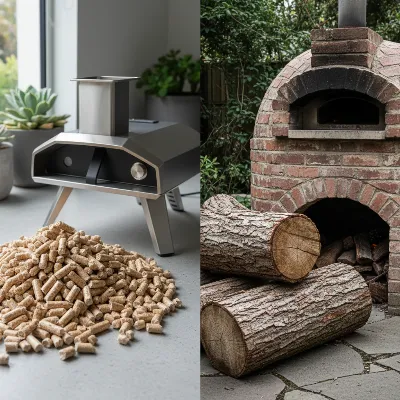 Close-up comparison of wood pellets and hardwood logs, highlighting their differences as fuel for pizza ovens, with a modern vs. rustic feel
Choosing Your Perfect Pizza Oven: A Buying Guide
Selecting the ideal pizza oven involves more than just picking a fuel type; it’s about aligning the oven with your lifestyle, cooking aspirations, and practical considerations.
Your Cooking Style & Experience Level
Consider your patience and desire for a hands-on experience. If you relish the art of fire management, learning to build and tend a wood fire, and enjoy the process as much as the outcome, a traditional wood-fired oven might be for you. If you prefer quick, consistent results with less fuss and more precise control, a pellet pizza oven offers a compelling balance of authentic flavor and modern convenience.
Flavor Priority
While both types promise a smoky, authentic flavor, some purists argue that the nuanced taste from burning logs is irreplaceable. However, modern pellet ovens are highly effective at replicating this experience. If the degree of smoky flavor is paramount, and you’re willing to invest the effort, a traditional wood-fired oven might edge out. If you want great flavor with less effort, pellet is excellent.
Space & Setup
Assess your outdoor space. Traditional brick wood-fired ovens require a dedicated, often permanent, outdoor area with proper ventilation. Portable pellet ovens are much more flexible, allowing you to move them as needed and store them away when not in use. Consider the proximity to neighbors regarding smoke and local fire regulations.
Budget
Pizza oven prices vary widely. Portable pellet ovens often offer a more accessible entry point, while custom-built wood-fired ovens can be a significant investment. Factor in not just the initial purchase but also ongoing fuel costs and any necessary accessories like peels, thermometers, and covers. While wood and pellets are typically cheaper than gas fuel, the volume of wood needed for traditional ovens can add up.
Maintenance Commitment
Are you prepared for regular cleaning? Wood-fired ovens demand more diligent ash removal and chimney cleaning to maintain performance. Pellet ovens, while still requiring cleaning, generally produce less residue.
Top Brands in Pizza Ovens
The market offers a range of reputable brands for both pellet and wood-fired pizza ovens. For pellet pizza ovens, popular names include Ooni (known for versatile multi-fuel options), Gozney, and smaller brands like Big Horn, which offer accessible and efficient models. [cite: 3 (search 1), 4 (search 2)] When it comes to wood-fired pizza ovens, established brands like Forno Bravo, Chicago Brick Oven, and Le Panyol offer high-quality, durable units, often in both pre-built and DIY kit forms. Many of these brands also offer hybrid models that combine the benefits of different fuel sources, such as wood and gas, providing ultimate flexibility. [cite: 1 (search 2)]
Tips for Using and Maintaining Your Pizza Oven
Regardless of your choice, proper usage and maintenance will ensure longevity and consistent delicious results.
- Preheating is Key: Always allow your oven to reach its optimal temperature before cooking. Use an infrared thermometer to accurately measure the temperature of your cooking stone, aiming for 700-900°F (370-480°C) for most pizzas. [cite: 2 (search 2), 5 (search 2)]
- Fuel Management:
- Pellet Ovens: Keep the hopper consistently filled to maintain temperature. Different wood types (oak, maple, hickory) offer varying flavors; experiment to find your preference. [cite: 1 (search 2), 2 (search 2)]
- Wood-Fired Ovens: Use well-seasoned, dense hardwood. Learn to build and manage the fire to maintain a consistent flame and heat, rotating pizzas frequently for even cooking.
- Pizza Peel Technique: Dust your pizza peel generously with flour or semolina to prevent sticking, ensuring a smooth launch into the hot oven.
- Rotation is Crucial: Pizzas cook very quickly in these high-heat environments. Rotate your pizza every 15-30 seconds to ensure even cooking and prevent one side from burning. [cite: 2 (search 2), 4 (search 2)]
- Cleaning:
- Pellet Ovens: Remove ash from the burn chamber after each use.
- Wood-Fired Ovens: Allow the oven to cool, then clear out ash and debris. Regular inspection and cleaning of the chimney (if applicable) are essential to prevent creosote buildup.
- Storage: Protect your oven from the elements with a cover, especially if it’s not a permanent, built-in structure. Store pellets and wood in a dry environment.
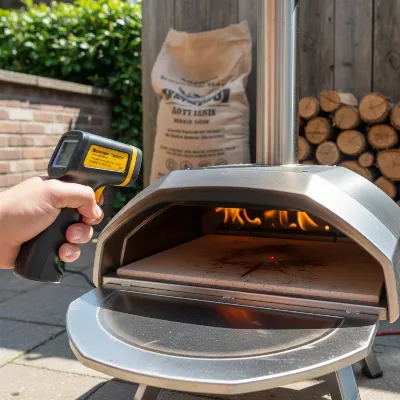 A person using an infrared thermometer on a pizza stone, next to a clean pellet pizza oven, with wood pellets in a bag and logs neatly stacked nearby
Where to Buy Your Pizza Oven
You can find both pellet and wood-fired pizza ovens at various retailers. Online marketplaces, dedicated outdoor cooking stores, and specialty kitchen appliance shops are excellent places to start your search. When buying online, always check product reviews and ensure the retailer has a clear return policy. For larger, more permanent wood-fired ovens, consider local masons or specialized installers who can offer custom-built solutions.
Conclusion
Choosing between a pellet and a traditional wood-fired pizza oven is a deeply personal decision, influenced by your cooking preferences, available space, and willingness to engage with the firing process. Pellet ovens offer a blend of authentic flavor with greater convenience and temperature control, making them an excellent choice for those who want wood-fired taste without the intensive labor. Traditional wood-fired ovens, on the other hand, provide an unparalleled hands-on experience and a depth of flavor that many consider the gold standard, albeit with a steeper learning curve and more maintenance. Ultimately, both options empower you to craft incredible, restaurant-quality pizzas right in your backyard, transforming ordinary meals into memorable culinary adventures. Which will be the fiery heart of your outdoor kitchen?
Frequently Asked Questions
Are pellet pizza ovens truly wood-fired?
Yes, pellet pizza ovens are considered wood-fired because they burn compressed wood pellets to generate heat and smoke, imparting the authentic smoky flavor associated with traditional wood-fired cooking. They use wood as fuel, just in a different, more controlled format.
Can I use regular wood in a pellet oven?
No, pellet ovens are specifically designed to burn small, uniform wood pellets. Using regular wood logs or charcoal in a pellet oven can damage the feeding mechanism, prevent proper combustion, and void your warranty. Always use the specified fuel type.
How long does it take to cook a pizza in these ovens?
In both pellet and wood-fired Pizza Ovens, once the oven is fully preheated to optimal temperatures (around 700-900°F or 370-480°C), a Neapolitan-style pizza can cook incredibly fast, often in as little as 60-90 seconds. Thicker pizzas or those with more toppings may take slightly longer.