To safely store a portable pizza oven in winter, thoroughly clean and dry all components, especially the pizza stone, to prevent rust and cracking. Disassemble removable parts like chimneys and store them indoors. The oven itself should be stored in a garage, shed, or basement if possible, or outdoors under a high-quality, breathable, waterproof cover, elevated off the ground. These steps protect the oven from moisture, freezing temperatures, and pests, ensuring its longevity and performance for future use.
Portable Pizza Ovens: Understanding Their Design and Winter Care
Portable pizza ovens are compact powerhouses designed for flexibility and exceptional cooking. Unlike traditional built-in ovens, their mobility makes them perfect for various settings, from backyard patios to camping trips. Typically constructed from robust materials like stainless steel, cast iron, or refractory ceramics, these ovens are engineered to withstand high temperatures. Their design often incorporates insulated shells, removable pizza stones, and sometimes detachable fuel systems (gas burners or wood pellet hoppers) and chimneys, all contributing to their portability and efficiency.
Modern portable pizza ovens offer a balance of convenience and authentic flavor. Many boast rapid heat-up times, reaching temperatures exceeding 900°F (500°C) in minutes, thanks to efficient designs and powerful burners. This swift heating capability, combined with even heat distribution from the pizza stone, allows for perfectly cooked pizzas with crispy crusts and bubbly cheese in a matter of seconds. Whether powered by propane, natural gas, or solid fuels like wood pellets or charcoal, these ovens bring the pizzeria experience right to your home.
Common Types of Portable Pizza Ovens and Their Vulnerabilities
Portable pizza ovens come in several primary types, each with unique characteristics and specific considerations for winter storage.
Gas-Fired Portable Pizza Ovens: These ovens are known for their convenience and precise temperature control. They typically use propane tanks and are quick to heat up. Their primary components include a stainless steel body, an internal burner system, a ceramic pizza stone, and often a detachable regulator and hose.
- Winter Vulnerabilities: The gas lines and regulator can be susceptible to freezing, and moisture can lead to rust on metal components. Electronics, if present, are also sensitive to extreme cold and dampness.
Electric Portable Pizza Ovens: Designed primarily for indoor or sheltered outdoor use, electric ovens offer plug-and-play simplicity. They feature heating elements, a pizza stone, and a compact body.
- Winter Vulnerabilities: Electronic components are highly vulnerable to moisture and extreme cold, which can cause malfunctions or permanent damage. The metal casing can still rust if exposed to damp conditions.
Wood-Fired Portable Pizza Ovens: These ovens are favored for the authentic smoky flavor they impart. They often feature a refractory cooking chamber, a sturdy metal exterior, and a chimney. Fuel can be wood pellets or small logs.
- Winter Vulnerabilities: The porous nature of the refractory stone and insulation can absorb moisture, leading to cracks from freeze-thaw cycles. Ash and residue left inside can promote mold or attract pests. Metal parts are prone to rust.
Multi-Fuel Portable Pizza Ovens: Many popular models offer the flexibility of using both gas and wood, combining convenience with traditional flavor. These ovens combine features of both gas and wood-fired types.
- Winter Vulnerabilities: They inherit vulnerabilities from both gas and wood-fired models, requiring comprehensive storage care for all components.
Understanding the specific materials and mechanisms of your oven type is the first step in devising an effective winter storage plan.
Winter Storage Considerations by Pizza Oven Type
Choosing the right storage strategy for your portable pizza oven involves considering its fuel type, materials, and how frequently you might still use it during colder months. Here’s a comparative look at winter storage considerations across different types:
| Feature | Gas-Fired Portable Pizza Oven | Electric Portable Pizza Oven | Wood-Fired Portable Pizza Oven | Multi-Fuel Portable Pizza Oven |
|---|---|---|---|---|
| Primary Risk | Rust, gas line freezing, electronic damage | Electronic malfunction, rust, insulation damage | Stone cracking, rust, mold, pest infestation, insulation damp | Combination of all risks |
| Cleaning Focus | Metal surfaces, burner, gas ports | Heating elements, interior chamber, electrical connections | Ash removal, refractory stone, chimney | All components for both fuel types |
| Drying Method | Air dry, ensure gas lines are clear | Air dry, check all electrical connections for dampness | Thorough firing, air dry for several days | Thorough firing, air dry for all parts |
| Disassembly | Disconnect gas line, remove regulator/hose | Disconnect power cord | Remove chimney, ash pan, pizza stone | Disconnect gas, remove chimney, ash pan, stone |
| Indoor Storage | Recommended for gas components, oven body if space allows | Highly recommended for all electronics | Recommended for stone and smaller components, oven body | Highly recommended for all components |
| Outdoor Cover | Essential, waterproof and breathable, secure fit | Essential if stored outside, heavy-duty waterproof cover | Essential, breathable to prevent condensation, secure fit | Essential, covering all fuel components |
| Additional | Store propane tank separately, upright, away from ignition | Keep away from water sources | Ensure no wood residue remains, check for cracks | Check all fuel systems and components |
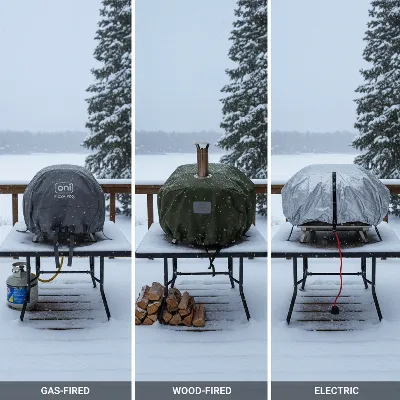 Various types of portable pizza ovens (gas, wood, electric) being protected from winter elements with covers
Essential Steps for Safe Winter Storage
Properly preparing your portable pizza oven for winter storage involves several crucial steps, ensuring it emerges from the cold months in top condition.
1. Thorough Cleaning
|
Our Picks for the Best Pizza Oven in 2026
As an Amazon Associate I earn from qualifying purchases.
|
||
| Num | Product | Action |
|---|---|---|
| 1 | Presto 03434 Pizzaz Plus Rotating Oven - 12-Inch, Countertop Pizza Oven, Nonstick Tray, Top and Bottom Heating Elements, Easy to Clean, Green/Gold |

|
| 2 | Presto 03430 Pizzazz Plus Rotating Oven, Black |
|
| 3 | PIEZANO 12 Inch Electric Indoor Pizza Oven Heats up to 800˚F - Pizza Maker with Ceramic Stone for Crispy Crust Pizza, Cooks in Under 6 Minutes, Countertop, Dual Heat Control, Peels & Scraper Included |
|
| 4 | Gourmia Indoor Pizza Oven Air Fryer Toaster – 1800W Countertop Multi-Cooker with Pizza Stone, Digital Controls & 6 Presets, Stainless Steel |
|
| 5 | Pizza Oven Indoor, 12 Inch Retro Pizza Maker, Rapid Heating 800˚F, 1200W Glazed Ceramic Stone Electric Pizza Cooker, Two-button Precise Temperature Control, Viewing Window for Precise Cooking |
|
| 6 | CHEFMAN Indoor Pizza Oven - Makes 12 Inch Pizzas in Minutes, Heats up to 800°F - Countertop Electric Pizza Maker with 5 Touchscreen Presets, Pizza Stone and Peel Included - Stainless Steel |
|
| 7 | Pizza Oven Outdoor 12" Wood Fired Pizza Ovens Pellet Pizza Stove for outside, Portable Stainless Steel Pizza Oven for Backyard Pizza Ovens |
|
| 8 | BIG HORN OUTDOORS 12" Multi-Fuel Outdoor Pizza Oven – 3-in-1 Wood-Fired, Gas & Electric Compatible (Burners Sold Separately), Pellet Pizza Oven Portable Pizza Maker for Backyard, Camping & Tailgating |
|
| 9 | Electric-Pizza-Oven-Indoor, 12 Inches Countertop Cooker,800℉ Electric Pizza Maker with Timer, Ceramic Stone, Viewing Window, Complete Accessory Kit, Black |
|
| 10 | PIEZANO XL 14 Inch Electric Indoor Pizza Oven Heats up to 800˚F - Pizza Maker with Stone for Crispy Crust Pizza, Cooks in Under 6 Minutes, Countertop, Dual Heat Control, Peels & Scraper Included |
|
Before storage, a meticulous cleaning is paramount. Start by allowing the oven to cool completely. For wood-fired ovens, remove all ash and debris from the cooking chamber and ash pan. For gas and electric models, wipe down the interior and exterior surfaces.
- Pizza Stone: Carefully remove the pizza stone. Scrape off any burnt food or residue with a stiff brush or scraper. Avoid harsh chemicals. If washing, use only plain hot water and ensure it dries completely for several days before storage. Any trapped moisture can cause it to crack during freezing temperatures. Once dry, wrap it in a towel or soft cloth and store it indoors.
- Interior & Exterior: For steel ovens, a good quality steel or BBQ cleaner can be used on the exterior. For refractory or masonry ovens, a stiff bristle brush and hot water are best. Ensure all food remnants are gone to prevent mold growth or attracting pests during storage.
- Burners & Ports: For gas ovens, ensure burner ports are clear of any debris. Use a small brush or compressed air if needed.
2. Complete Drying
Moisture is the biggest enemy of your pizza oven during winter. Rust, corrosion, and cracks from freezing water are common issues. After cleaning, it is absolutely critical to ensure everything is thoroughly dry.
- Firing Up: For wood and gas ovens, an excellent method to eliminate lingering moisture is to fire them up a few times before storage. Operate the oven for 5-10 minutes, letting it reach a good temperature to evaporate any internal dampness. Allow it to cool down fully again.
- Air Drying: If firing up isn’t feasible, ensure all parts are air-dried for several days in a warm, dry environment. This is especially important for porous materials like pizza stones and refractory insulation.
3. Disassemble and Store Removable Parts
Many portable pizza ovens have removable components that benefit from separate, protected storage.
- Pizza Stone: As mentioned, clean, dry, and store indoors, ideally wrapped.
- Flue/Chimney: Remove the chimney if detachable. Clean it and store it indoors. If your oven’s flue is not removable, cover any openings securely to prevent water ingress.
- Doors, Fuel Trays, Accessories: Any small, removable parts like oven doors, fuel trays, or temperature gauges should be cleaned and stored indoors to protect them from the elements and potential theft.
- Propane Tanks: Disconnect propane tanks from gas-fired ovens. Store them upright in a well-ventilated area, away from direct sunlight, heat sources, and ignition sources. Never store propane tanks indoors (e.g., inside your house or basement). A shed or garage is acceptable if well-ventilated and not directly attached to a living space.
4. Select the Ideal Storage Location
Where you store your oven is as important as how you prepare it.
- Indoor Storage (Optimal): A garage, shed, or basement provides the best protection from harsh winter conditions. These controlled environments shield the oven from freezing temperatures, precipitation, and strong winds. If space permits, bringing the entire oven indoors is the most reliable option, especially for electric models with sensitive electronics.
- Outdoor Storage (If Necessary): If indoor storage isn’t possible, choose a sheltered outdoor location. This means under a sturdy canopy, pergola, or even a robust outdoor storage box. Ensure the oven is elevated off the ground to prevent moisture wicking up from damp surfaces. Avoid areas prone to heavy snow accumulation or direct exposure to driving rain and strong winds. Even if covered, outdoor storage increases the risk of damage.
5. Invest in a Quality Cover
A high-quality, weatherproof cover is indispensable, particularly if storing outdoors.
- Material: Look for covers made from durable, waterproof, and UV-resistant materials like heavy-duty polyester. Ideally, the cover should also be breathable to prevent condensation from building up underneath, which can be as damaging as direct rain.
- Fit: A custom-fitted cover designed specifically for your oven model is always best, as it provides a snug fit and minimizes gaps for moisture or pests to enter. If a universal cover is used, ensure it fits tightly without leaving any exposed areas.
- Security: In windy areas, secure the cover with bungee cords or straps to prevent it from being blown off.
- Regular Checks: Periodically check beneath the cover throughout the winter to ensure no moisture has accumulated and that no pests have made a home in or around your oven.
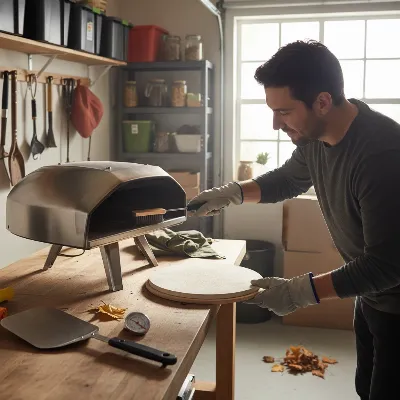 Person cleaning and drying a portable pizza oven before winter storage
Choosing the Right Storage Solutions and Accessories
Beyond the fundamental steps, the right storage solutions and accessories can significantly enhance your pizza oven’s protection and longevity.
High-Quality Pizza Oven Covers
As emphasized, a cover is your first line of defense.
- Custom-Fit vs. Universal: While custom-fit covers (often from the oven manufacturer like Ooni, Gozney, or Fontana Forni) offer superior protection by sealing tightly, a well-chosen universal cover can also work. The key is ensuring a snug fit that leaves no gaps for water, wind, or insects.
- Features to Look For:
- Waterproof and Weatherproof: Essential to repel rain, snow, and hail.
- UV Resistance: Protects materials from sun damage, preventing fading and material degradation.
- Breathability: Allows trapped moisture vapor to escape, preventing condensation and mold.
- Durable Material: Heavy-duty fabrics like marine-grade polyester with double-lined construction offer the best longevity.
- Secure Fasteners: Straps, drawstrings, or bungee cord loops to keep the cover in place during high winds.
Dedicated Storage Boxes or Cabinets
For those with ample space, a dedicated storage box or cabinet offers an additional layer of protection, especially for smaller portable models.
- Material: Look for weather-resistant materials like durable plastic, treated wood, or metal.
- Ventilation: Ensure the storage unit has some ventilation to prevent moisture buildup.
- Elevation: An elevated design keeps the oven off the ground, away from pooling water and potential pests.
Moisture Absorbers
In particularly damp environments or for indoor storage areas that might still experience humidity, moisture absorbers can be beneficial.
- Types: Desiccant packs (silica gel), calcium chloride dehumidifiers, or small electric dehumidifiers can help manage ambient humidity. Place them inside the covered oven or storage unit.
- Caution: Ensure any moisture absorber is non-toxic and kept away from direct contact with oven surfaces, especially if using a product that collects liquid.
Protective Wrapping
For delicate components like the pizza stone, or for the entire oven if stored in less-than-ideal conditions, additional wrapping can help.
- Pizza Stone: After drying, wrap it in a clean towel, bubble wrap, or newspaper for extra cushioning and moisture protection before storing it indoors.
- Small Parts: Place screws, knobs, and other small, disassembled pieces in a sealable plastic bag and label it for easy reassembly.
By investing in these thoughtful storage solutions, you’re not just putting your oven away; you’re actively safeguarding your investment against the ravages of winter.
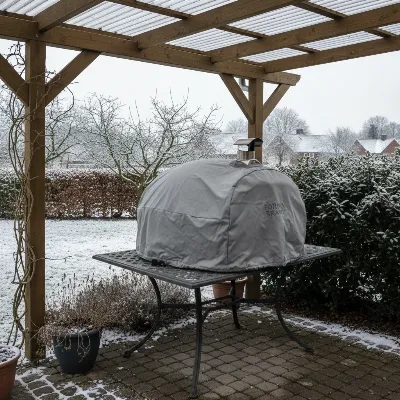 Portable pizza oven stored securely under a covered patio with a fitted cover during winter
Advanced Tips for Maintaining Your Pizza Oven Through Winter
Beyond the fundamental cleaning and covering, a few advanced considerations can further protect your portable pizza oven during the off-season and prepare it for smooth operation when spring arrives.
Periodic Checks During Storage
Even with the best preparation, it’s wise to periodically check your stored oven, especially if it’s kept outdoors or in a non-climate-controlled space.
- Moisture and Condensation: Lift the cover occasionally on a dry, sunny day to allow air circulation and check for any condensation or dampness. If you notice moisture, dry the oven thoroughly before re-covering.
- Pest Infestation: Look for signs of rodents or insects that might have found their way into crevices or fuel lines. Clean any droppings or nests immediately. Blocking small openings with steel wool or mesh can deter pests.
- Cover Integrity: Inspect the cover for any tears, holes, or damage that might compromise its protective capabilities. Repair or replace it as needed.
Addressing Common Winter Storage Challenges
- Gas Line Issues: For gas ovens, even disconnected lines can harbor small amounts of residual gas or moisture. Storing these components in a slightly elevated position can help prevent water pooling. If you notice any rust or corrosion on gas connections, consider replacing them before next season.
- Stone Cracking: The primary cause of stone cracking in winter is trapped moisture. Double-check that your pizza stone is bone dry before storing it indoors, wrapped for protection. Avoid storing it directly on cold concrete floors where moisture can wick upwards.
- Thermal Shock When Re-Starting: If you do decide to use your oven on a mild winter day, remember that cold materials are more susceptible to thermal shock. When firing up, build the heat gradually. Start with a small flame or minimal fuel and slowly increase the temperature over a longer period than you would in warmer months. This slow pre-heat is crucial for protecting the pizza stone and the oven’s internal structure from stress.
Using Your Portable Pizza Oven in Winter (with precautions)
While storage is key, some intrepid pizza makers still use their ovens in winter. If you plan to do so:
- Clear Snow and Ice: Always brush off any snow, ice, or standing water from the oven before lighting.
- Longer Pre-Heat: Anticipate that your oven will take longer to reach cooking temperature due to colder ambient air. Be patient and don’t overload the fuel basket.
- Protect Yourself: Dress warmly, as standing outside in cold weather can be uncomfortable.
- Gas Performance: In extremely cold temperatures, propane tanks can lose pressure and the gas itself can freeze, impacting flame size and performance. Storing the tank in a warmer, sheltered area (like a garage) and bringing it out just before use can help.
“To truly preserve the integrity of your portable pizza oven, don’t just put it away; proactively prepare it. Moisture, freezing temperatures, and even tiny pests can wreak havoc if not addressed. Think of it as putting your oven into a well-deserved, protected hibernation.”
Addressing Common Winter Storage Challenges
Even with careful planning, specific issues can arise during winter storage. Knowing how to troubleshoot and prevent these problems will save you time, money, and frustration.
Preventing Rust and Corrosion
Rust is a common adversary for metal pizza ovens. It primarily results from prolonged exposure to moisture and humidity.
- Thorough Drying is Key: As highlighted, ensure all metal surfaces are completely dry before storage. Any lingering water spots can become rust initiation points.
- Protective Coatings: For steel components, applying a thin layer of food-grade mineral oil or a rust-inhibiting spray (designed for outdoor appliances) can provide an extra barrier against moisture. Always check manufacturer recommendations before applying any products.
- Breathable Covers: While waterproof, a cover that also allows for some air circulation helps prevent condensation from getting trapped underneath, which is a major contributor to rust.
Mitigating Stone Cracking
The pizza stone is often the most vulnerable component to cold weather damage due to its porous nature.
- Complete Dryness: This cannot be overstressed. A damp stone, subjected to freezing temperatures, will expand as the water within it turns to ice, leading to cracks.
- Stable Indoor Environment: Storing the stone indoors, in a climate-controlled area, minimizes exposure to extreme temperature swings and humidity, significantly reducing the risk of cracking. Avoid unheated garages or sheds if they experience significant temperature fluctuations.
- Gentle Handling: When moving the stone, handle it with care to prevent accidental chips or fractures that could worsen over time.
Deterring Pests
Stored ovens, especially wood-fired ones with lingering food scents, can become attractive habitats for rodents and insects.
- Remove All Food Residue: A spotless oven is less appealing to pests. Remove all crumbs, ash, and food bits.
- Seal Openings: If possible, block any small openings or entry points (like the chimney flue or fuel inlet) with steel wool or fine mesh that pests cannot chew through.
- Elevate and Secure: Storing the oven off the ground and ensuring the cover is tightly secured can prevent easy access for ground-dwelling pests.
- Regular Inspections: Periodically check for any signs of pest activity like droppings, nests, or gnaw marks.
Managing Condensation
Condensation can occur when warm, humid air meets a cold surface, leading to moisture buildup even under a waterproof cover.
- Breathable Covers: As discussed, a breathable cover is crucial to allow moisture vapor to escape.
- Air Circulation: Ensure there’s adequate airflow around and under the oven. Elevating the oven off the ground helps in this regard.
- Ventilation in Storage Area: If storing indoors, ensure the garage or shed is not completely sealed off, allowing some air exchange.
- Desiccants: As a last resort in very humid climates, strategically placed desiccant packets can absorb excess moisture.
By proactively addressing these challenges, you can significantly enhance the safety and effectiveness of your portable pizza oven’s winter storage.
Conclusion
Preparing your portable pizza oven for winter storage is a straightforward yet essential process that directly impacts its longevity and performance. From a meticulous cleaning and ensuring complete dryness to carefully disassembling removable parts and choosing the right storage location, each step contributes to safeguarding your investment. Whether opting for the superior protection of indoor storage or fortifying an outdoor spot with a high-quality, breathable cover, proactive measures against moisture, freezing temperatures, and pests are paramount.
By following these guidelines, you’re not just putting your pizza oven away for the season; you’re ensuring it remains in peak condition, ready to ignite your culinary passion as soon as the warmer weather arrives. Don’t let winter diminish your pizza-making dreams. A little effort now guarantees many more delicious pizzas in the seasons to come. What exciting new recipes will you try when your perfectly preserved portable pizza oven makes its grand return?
Frequently Asked Questions
Can I leave my portable pizza oven outside all winter?
While some portable pizza ovens are designed to be robust, leaving them outside unprotected all winter is generally not recommended. Extreme cold, snow, rain, and fluctuating temperatures can lead to rust, material degradation, and cracking of the pizza stone or internal components. If outdoor storage is your only option, it is crucial to use a high-quality, custom-fit, waterproof, and breathable cover, and ensure the oven is elevated and sheltered from direct elements.
How do I prevent my pizza stone from cracking during winter storage?
The key to preventing pizza stone cracks is to ensure it is completely dry before storage. After cleaning with plain hot water, allow the stone to air dry for several days in a warm environment. Any trapped moisture can freeze and expand, causing cracks. Once dry, wrap the stone in a cloth or bubble wrap and store it indoors in a climate-controlled area, away from extreme temperature fluctuations.
Do I need a special cover for my portable pizza oven?
While a generic tarp can offer some protection, a cover specifically designed for your portable pizza oven model or a high-quality universal cover is highly recommended. These covers are typically made from durable, waterproof, UV-resistant, and often breathable materials, providing better protection against the elements and preventing condensation buildup. Ensure it fits snugly and can be secured in windy conditions.
How should I store my propane tank for a gas-fired pizza oven?
Propane tanks should always be disconnected from your pizza oven before winter storage. Store them upright in a well-ventilated outdoor area, away from direct sunlight, heat sources, and any ignition sources. Do not store propane tanks indoors, particularly inside your home or an attached garage, for safety reasons. A detached shed or well-ventilated outdoor storage cabinet is suitable.
What are the main risks of improper winter storage for a portable pizza oven?
The main risks include rust and corrosion on metal parts due to moisture, cracking of the pizza stone or refractory materials from freeze-thaw cycles (if moisture is present), damage to electronic components in electric ovens from dampness or cold, and potential pest infestation if food residues are left inside. Improper storage significantly shortens the oven’s lifespan and can affect its performance.
Frequently Asked Questions
Can I leave my portable pizza oven outside all winter?
Leaving a portable pizza oven outside unprotected all winter is generally not recommended due to risks like rust, material degradation, and cracking of components. If outdoor storage is necessary, use a high-quality, custom-fit, waterproof, and breathable cover, and ensure the oven is elevated and sheltered from direct elements.
How do I prevent my pizza stone from cracking during winter storage?
To prevent pizza stone cracks, ensure it is completely dry before storage. After cleaning with plain hot water, air dry the stone for several days in a warm environment. Once dry, wrap it in a cloth or bubble wrap and store it indoors in a climate-controlled area to avoid extreme temperature fluctuations.
Do I need a special cover for my portable pizza oven?
A cover specifically designed for your portable pizza oven model or a high-quality universal cover is highly recommended over a generic tarp. These covers are typically made from durable, waterproof, UV-resistant, and breathable materials, offering superior protection against elements and preventing condensation buildup. Ensure it fits snugly and can be secured.
How should I store my propane tank for a gas-fired pizza oven?
Propane tanks must be disconnected from your pizza oven before winter storage. Store them upright in a well-ventilated outdoor area, away from direct sunlight, heat sources, and ignition sources. Never store propane tanks indoors, such as inside your home or an attached garage, for safety reasons.
What are the main risks of improper winter storage for a portable pizza oven?
Improper winter storage risks include rust and corrosion on metal parts from moisture, cracking of the pizza stone or refractory materials due to freeze-thaw cycles, damage to electric oven components from dampness or cold, and potential pest infestation if food residues remain. These issues significantly shorten the oven's lifespan and affect performance.
How to Safely Store a Portable Pizza Oven for Winter
Follow these essential steps to prepare your portable pizza oven for winter storage, preventing damage and ensuring it's ready for use next season.
Allow the oven to cool completely. Remove all ash and debris from wood-fired ovens. For all types, wipe down interior and exterior surfaces. Carefully clean the pizza stone with a stiff brush or hot water, ensuring it dries completely for several days before storage to prevent cracking.
Moisture is the biggest threat. For wood and gas ovens, fire them up for 5-10 minutes to evaporate internal dampness, then let them cool. If firing isn't possible, air dry all parts for several days in a warm, dry environment, especially porous materials like pizza stones and insulation.
Remove and clean detachable components like the pizza stone, chimney, doors, and fuel trays. Store these parts indoors, ideally wrapped for protection. Disconnect propane tanks from gas ovens and store them upright in a well-ventilated outdoor area, away from ignition sources.
Optimal storage is indoors in a garage, shed, or basement to protect against harsh winter conditions. If outdoor storage is necessary, choose a sheltered location under a canopy or pergola, ensuring the oven is elevated off the ground to prevent moisture wicking.
Use a durable, waterproof, UV-resistant, and breathable cover, especially for outdoor storage. A custom-fitted cover is best for a snug fit, minimizing gaps for moisture or pests. Secure the cover with bungee cords or straps in windy areas and periodically check for moisture or pests.

Great advice here. I’ve got a Gozney Roccbox and was wondering about the best way to store it. The reminder to disassemble the chimney and store it indoors is something I hadn’t thought of, but it’s a smart move to protect those smaller parts. I’m also going to make sure to really clean the stainless steel exterior well before putting it away to avoid any rust spots.
Good general tips, but I wish there was more detail on specific covers. I have a cheaper portable oven, and finding a ‘high-quality, breathable, waterproof cover’ in my price range is tough. The advice about cleaning the pizza stone is spot on though; I’ve had mold issues in the past when I didn’t dry it completely.
This is exactly what I needed! We just got a new portable oven this summer, and I was stressing about how to store it properly for the winter here in the Midwest. The instructions for cleaning and drying all components, especially the refractory ceramics, are super helpful. I feel much more confident now that it’ll be in great shape for next spring.
I’m so glad I read this before putting my Ooni away for the season! I always just threw a tarp over it, but the tip about elevating it off the ground and using a breathable cover makes so much sense for preventing moisture buildup. My pizza stone cracked last year, and now I realize it was probably from not drying it properly before storage. Definitely following these steps this time around.