Achieving Neapolitan pizza temperatures in a home gas oven is possible by using a pizza steel and the broiler boost technique, which can elevate surface temperatures to 650-700°F (343-371°C). While standard gas ovens typically max out around 550°F (288°C), these methods help mimic the intense heat of traditional pizza ovens, crucial for the signature airy, charred crust of an authentic Neapolitan pie.
The Quest for Neapolitan Perfection: Understanding the Heat Challenge
Neapolitan pizza is a culinary marvel, defined by its thin, soft, and elastic crust with a distinct, puffy, and leopard-spotted edge known as the cornicione. It cooks in a remarkably short time—often just 60 to 90 seconds—which is crucial for its unique texture and flavor. This rapid bake is possible only with extremely high temperatures, which instantly puff the dough, caramelize the crust, and perfectly melt the toppings without drying them out.
> “The rapid cooking time at high heat is what gives Neapolitan pizza its characteristic blistered crust and tender interior. Without that intense initial thermal shock, the dough simply bakes, rather than transforms.” – Admin, ReviewHands.com
A conventional home gas oven, designed for baking and roasting at lower temperatures over longer periods, struggles to replicate this environment. The difference between 550°F and 900°F is not just a number; it fundamentally changes the chemistry and physics of pizza cooking, leading to longer bake times that can result in a dry, tough crust and soggy toppings if not managed correctly. Understanding this challenge is the first step toward overcoming it.
Essential Tools for High-Performance Home Pizza
To bridge the temperature gap and bring Neapolitan-style pizza within reach, investing in the right tools is paramount. These pieces of equipment work in concert to maximize heat retention and transfer, mimicking the intense environment of a traditional pizza oven.
Pizza Steel: The major upgrade
While pizza stones have long been a popular choice for home pizza making, a pizza steel is a superior option, especially for gas ovens. Steel conducts heat up to 20 times more efficiently than ceramic stone, allowing it to absorb and transfer thermal energy much faster and more effectively to your pizza dough. This rapid heat transfer is vital for achieving that desirable “oven spring” and blistered crust. Unlike porous pizza stones that can absorb moisture and crack from thermal shock, steel is virtually indestructible and non-porous, ensuring consistent performance over time. For gas ovens struggling to reach higher temperatures, a steel’s ability to retain and fiercely radiate heat is a distinct advantage. While specialized Biscotto stones excel in dedicated high-temperature ovens (750-950°F), for the confines of a home gas oven, steel provides the best balance of performance and durability.
Infrared Thermometer
|
Our Picks for the Best Pizza Oven in 2026
As an Amazon Associate I earn from qualifying purchases.
|
||
| Num | Product | Action |
|---|---|---|
| 1 | PIEZANO 12 Inch Electric Indoor Pizza Oven Heats up to 800˚F - Pizza Maker with Ceramic Stone for Crispy Crust Pizza, Cooks in Under 6 Minutes, Countertop, Dual Heat Control, Peels & Scraper Included |

|
| 2 | Pizza Oven Indoor, 12 Inch Retro Pizza Maker, Rapid Heating 800˚F, 1200W Glazed Ceramic Stone Electric Pizza Cooker, Two-button Precise Temperature Control, Viewing Window for Precise Cooking |
|
| 3 | CHEFMAN Indoor Pizza Oven - Makes 12 Inch Pizzas in Minutes, Heats up to 800°F - Countertop Electric Pizza Maker with 5 Touchscreen Presets, Pizza Stone and Peel Included - Stainless Steel |
|
| 4 | Gourmia Indoor Pizza Oven Air Fryer Toaster – 1800W Countertop Multi-Cooker with Pizza Stone, Digital Controls & 6 Presets, Stainless Steel |
|
| 5 | BIG HORN OUTDOORS 12" Multi-Fuel Outdoor Pizza Oven – 3-in-1 Wood-Fired, Gas & Electric Compatible (Burners Sold Separately), Pellet Pizza Oven Portable Pizza Maker for Backyard, Camping & Tailgating |
|
| 6 | Presto 03430 Pizzazz Plus Rotating Oven, Black |
|
| 7 | Pizza Oven Outdoor 12" Wood Fired Pizza Ovens Pellet Pizza Stove for outside, Portable Stainless Steel Pizza Oven for Backyard Pizza Ovens |
|
| 8 | Electric-Pizza-Oven-Indoor, 12 Inches Countertop Cooker,800℉ Electric Pizza Maker with Timer, Ceramic Stone, Viewing Window, Complete Accessory Kit, Black |
|
| 9 | PIEZANO XL 14 Inch Electric Indoor Pizza Oven Heats up to 800˚F - Pizza Maker with Stone for Crispy Crust Pizza, Cooks in Under 6 Minutes, Countertop, Dual Heat Control, Peels & Scraper Included |
|
| 10 | Presto 03434 Pizzaz Plus Rotating Oven - 12-Inch, Countertop Pizza Oven, Nonstick Tray, Top and Bottom Heating Elements, Easy to Clean, Green/Gold |
|
Accuracy is key when chasing high temperatures. An infrared thermometer allows you to precisely measure the surface temperature of your pizza steel or stone, as well as different areas within your oven. This tool is indispensable for ensuring your baking surface is adequately preheated and for monitoring temperature fluctuations between pizzas. Relying solely on your oven’s thermostat is often insufficient, as it measures ambient air temperature, not the critical surface temperature where your pizza cooks.
Pizza Peel
A sturdy pizza peel is essential for safely transferring your pizza to and from a scorching hot oven. Metal peels are often preferred for their thin edge, which makes it easier to slide under a raw pizza. Ensure your peel is lightly floured (semolina works wonderfully) to prevent the dough from sticking.
Maximizing Your Gas Oven’s Heat Potential
Transforming your gas oven into a high-heat pizza haven involves a combination of extended preheating and strategic broiler utilization. These techniques aim to store as much thermal energy as possible in your baking surface and create intense top-down heat.
Extended Preheating is Non-Negotiable
The most fundamental step is a thorough and prolonged preheat. Set your gas oven to its highest possible temperature, typically 500-550°F (260-288°C). Position your pizza steel or stone on the top rack, ensuring there’s enough clearance (about 6-7 inches) for the pizza and peel once the broiler is engaged. Allow the oven to preheat for a minimum of 45-60 minutes. This extended period is crucial for the steel or stone to fully saturate with heat, acting as a thermal battery that will rapidly cook the bottom of your pizza. Skipping this step is a common mistake that leads to pale, undercooked crusts.
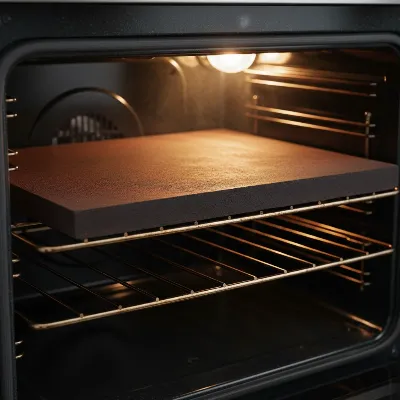 A pizza steel resting on the top rack of a home gas oven during an extended preheating cycle
The Broiler Boost Technique
This is where your gas oven truly begins to approach Neapolitan temperatures. After the initial 45-60 minute preheat on the highest “bake” setting, switch your oven to the “broil” setting (usually high) for another 5-15 minutes. This intense top-down heat will superheat the surface of your pizza steel and the oven’s ceiling, creating a blast of radiant heat that mimics a wood-fired dome.
Step-by-step for the Broiler Boost:
- Setup: Place your pizza steel on the top oven rack, roughly 6-7 inches below the broiler element.
- Initial Preheat: Set oven to its maximum “bake” temperature (500-550°F) for 45-60 minutes with the steel inside.
- Broiler Activation: Approximately 5-15 minutes before you’re ready to bake, switch the oven to “broil” (high). Monitor closely; the steel’s surface temperature should now read upwards of 650-700°F (343-371°C) with your infrared thermometer.
- Launch and Bake: Carefully launch your prepared pizza directly onto the superheated steel using your pizza peel. The broiler remains on, providing intense top-down heat to quickly char the cornicione and melt the cheese.
- Rotate: After about 60-90 seconds, use the peel to rotate the pizza 180 degrees to ensure even cooking and prevent uneven charring from hot spots.
- Finish: Continue to cook under the broiler for a total of 90-120 seconds, or until the crust is beautifully blistered and the toppings are perfectly cooked. Some advanced techniques suggest switching to convection bake after the initial broiler blast for 2-5 minutes to finish, if your oven has this feature.
Optimizing Oven Environment
Minimizing heat loss is vital for maintaining peak temperatures. Avoid opening the oven door unnecessarily, as each peek can cause a significant temperature drop. Ensure your oven is clean, as accumulated grease and debris can affect heat circulation and even cause smoke.
Advanced Tips for Neapolitan-Style Success
Beyond temperature, a few additional considerations can further enhance your homemade Neapolitan-style pizza.
Dough Preparation
While traditional Neapolitan dough contains no sugar, incorporating a long, cold fermentation (2-3 days in the fridge) can improve browning and flavor, compensating for slightly lower oven temperatures. Some home cooks even add a small pinch of sugar to the dough as a compromise to aid in crust color, given the temperature limitations of home ovens.
Topping Strategy
Less is more, especially with Neapolitan pizza. Use minimal, high-quality, fresh ingredients. Avoid overloading your pizza, as excessive toppings can weigh down the crust, release too much moisture, and hinder quick, even cooking. Fresh mozzarella, either diced or hand-torn, is preferred over pre-shredded varieties, which often contain anti-caking agents that can burn prematurely.
Monitoring and Adjusting
Continuously monitor your pizza as it bakes under the broiler. Cooking times are very short, and a few seconds can be the difference between perfectly charred and burnt. Use your infrared thermometer to check the steel’s temperature between pizzas if you’re making multiple; allow it to recover for a few minutes if the temperature drops too significantly.
Troubleshooting Common Issues
Even with the best techniques, challenges can arise. If your crust is pale, it likely means your steel wasn’t hot enough or your broiler time was too short. If toppings burn before the crust cooks, your broiler might be too close, or the steel isn’t contributing enough bottom heat. Experiment with rack placement and broiler duration to find the sweet spot for your specific oven. When cooking multiple pizzas, expect slight temperature drops, especially on the steel; a brief recovery period between launches can help maintain consistency.
Beyond the Home Oven: Considering Dedicated Units
While these gas oven techniques allow you to create impressive Neapolitan-style pizzas, it’s important to acknowledge that achieving the truly instantaneous, 60-second bake of an authentic 900°F+ wood-fired or dedicated outdoor gas pizza oven is incredibly difficult within a conventional appliance. For those seeking the ultimate Neapolitan experience with minimal compromise, dedicated outdoor pizza ovens are an option. However, for most home cooks, mastering the gas oven techniques detailed here will yield delicious, satisfying results that capture the essence of Neapolitan pizza without the need for specialized outdoor equipment.
Conclusion
Achieving Neapolitan pizza temperatures in a standard gas oven is a rewarding challenge that transforms homemade pizza from good to extraordinary. By leveraging the power of a high-quality pizza steel, meticulously preheating your oven, and strategically employing the broiler, you can unlock a level of crispness, char, and flavor that rivals pizzeria creations. The journey involves patience, precision, and a willingness to experiment with your specific oven’s capabilities. With these tools and techniques, you’re not just baking pizza; you’re crafting an experience. So, are you ready to ignite your culinary passion and bring the taste of Naples to your kitchen?
Frequently Asked Questions
What is the ideal temperature for Neapolitan pizza?
Authentic Neapolitan pizza is ideally cooked between 800°F and 950°F (430-510°C) for a quick bake of 60-90 seconds. This extreme heat creates its signature light, airy, and slightly charred crust.
Can a regular gas oven reach Neapolitan pizza temperatures?
A standard home gas oven typically maxes out at 500-550°F (260-288°C), which is below the ideal Neapolitan range. However, techniques like extended preheating with a pizza steel and using the broiler can help achieve Neapolitan-style results by significantly boosting localized temperatures.
Is a pizza stone or steel better for a gas oven?
A pizza steel is generally superior for gas ovens because it conducts and retains heat much more efficiently than a pizza stone. This allows for faster cooking, better crust crisping, and improved “oven spring” within the limitations of a home oven.
How long should I preheat my gas oven for pizza?
Preheat your gas oven to its highest setting (500-550°F) for at least 45-60 minutes with a pizza steel or stone inside. This ensures the baking surface is fully saturated with heat, which is critical for a crispy crust.
How do I use the broiler for Neapolitan-style pizza?
After an extended preheat on the “bake” setting, switch your oven to “broil” (high) for 5-15 minutes before launching your pizza onto a preheated steel on the top rack. This provides intense top-down heat to quickly char the crust and cook toppings in 90-120 seconds.
Why is my pizza crust not getting crispy in my gas oven?
A pale or soft crust usually indicates insufficient heat transfer. Ensure your pizza steel is thoroughly preheated for a long duration, your oven is at its maximum temperature, and you are effectively using the broiler to provide adequate top-down heat.
Can I make Neapolitan pizza in a gas oven without special equipment?
While you can bake pizza without special equipment, achieving a true Neapolitan-style pizza with its characteristic light, airy, and charred crust is very challenging without a pizza steel and the strategic use of high heat techniques, including the broiler.

Finally, someone explained how to get that authentic Neapolitan texture without buying a huge wood-fired oven! My pizzas used to be soggy, but now they have that thin, soft, and elastic crust. The rapid bake time is key, and these methods really help achieve it. My family thinks I bought a new oven!
Using a pizza steel really does make a difference for getting those higher surface temperatures. I was skeptical at first, thinking my regular stone was good enough. But hitting 650-700°F consistently has made my crusts so much crispier on the bottom. It’s a solid investment if you’re serious about your homemade pies.
The tips for reaching Neapolitan pizza temperatures are helpful, but I found it pretty hard to maintain that intense heat in my standard gas oven. Even with the broiler boost, the temperature drops quickly after opening the door. It’s better than before, but still not quite the same as a dedicated pizza oven for that super fast cook time.
I’ve been trying to get that perfect Neapolitan crust for ages, and the broiler boost technique mentioned here was a game-changer. My Ooni Koda 16 gets super hot, but I was still struggling with the top browning. Now, my pizzas are cooking in under 90 seconds with that beautiful leopard-spotted cornicione. So glad I found these tips!