Is your pizza oven failing to reach the scorching temperatures needed for a perfect Neapolitan-style crust? A common frustration for any pizza enthusiast, an underperforming oven can turn your culinary dreams into a soggy, unevenly cooked reality. Achieving the intense, consistent heat—often between 750°F and 950°F (400–510°C)—is crucial for rapid cooking that crisps the base and puffs the crust beautifully. This guide will walk you through common culprits and practical solutions across gas, wood-fired, and electric pizza ovens, ensuring your next pizza is a masterpiece.
Understanding Why Your Pizza Oven Needs High Heat
The magic of authentic pizza lies in extreme heat. High temperatures rapidly cook the dough, creating a crispy exterior while keeping the interior tender and airy. This quick cooking also cooks toppings without drying them out. When an oven doesn’t get hot enough, pizzas take longer to cook, leading to a tough, dry, or soggy crust, and toppings that are either undercooked or overcooked before the dough is ready. It’s a delicate balance, and getting the temperature right is the foundation of delicious pizza.
Common Causes for Low Heat in Gas Pizza Ovens
Gas pizza ovens offer convenience and precise temperature control, but several issues can prevent them from reaching optimal heat. Diagnosing the problem often starts with examining the gas supply and burner components.
Gas Supply Issues
An inadequate gas supply is a primary reason a gas oven might not get hot enough. Begin by checking the basics:
- Gas Valve: Ensure the main gas valve to the oven is fully open.
- Gas Tank Level: If using a propane tank, confirm it’s not running low. A partially empty tank might deliver insufficient pressure.
- Regulator: The gas regulator controls the pressure flowing from the tank to the oven. A faulty or improperly connected regulator can significantly restrict gas flow. Ensure it’s securely attached and not damaged.
- Hose Connections: Inspect the gas hose for kinks, damage, or loose connections to both the tank and the oven. A disconnected or leaking hose will prevent proper gas delivery.
Burner Problems
Even with a steady gas supply, the burner itself can be the source of low heat.
- Dirty/Blocked Burner: Over time, carbon buildup, food debris, or spiderwebs can obstruct the burner ports, leading to a weak or uneven flame. Regularly cleaning the burner with a brush can resolve this.
- Low Burner Flame: If the flame appears weak or too small, it might not be producing enough heat. Some ovens allow for flame adjustment; consult your owner’s manual for specific instructions.
- Improper Air-Gas Mixture: For efficient combustion, gas needs to mix with the right amount of air. If the air-gas mixture is off, the flame will be weak or yellow, rather than a strong blue. Adjusting the air intake (if available on your model) can correct this.
Ignition Components
While primarily responsible for lighting the oven, issues with ignition components can indirectly affect heat.
- Faulty Thermocouple: This safety device senses if the pilot light is lit and allows gas to flow to the main burner. If it’s dirty, misaligned, or faulty, it might prematurely cut off gas supply or prevent the main burner from staying lit, even if you don’t notice it immediately.
- Faulty Igniter or Thermopile: While these typically prevent the oven from lighting at all, a partially failing component might lead to an inconsistent or weak initial ignition that doesn’t allow the oven to reach full temperature.
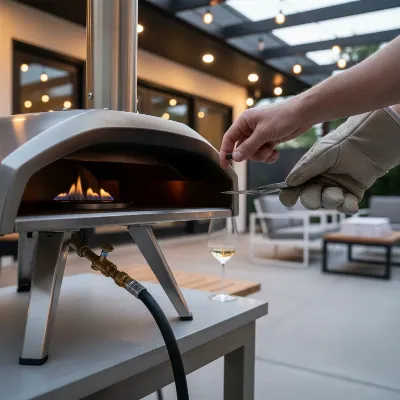 Troubleshooting a gas pizza oven with low heat, checking connections and burner
Troubleshooting Low Heat in Wood-Fired Pizza Ovens
Wood-fired ovens are renowned for their authentic flavor and high heat, but maintaining consistent high temperatures requires careful attention to fuel and airflow.
Fuel Quality and Management
The type and management of your wood fuel are paramount.
- Insufficient or Improperly Dried Wood: Damp wood burns inefficiently and produces more smoke than heat. Always use well-seasoned, dry hardwood (like oak, maple, or fruitwoods). Avoid softwoods or treated lumber.
- Inconsistent Fueling: Letting the fire die down significantly before adding more wood will cause rapid temperature drops. For consistent heat, add smaller pieces of wood more frequently, rather than large logs intermittently. Build a good base of coals before you start cooking and maintain it.
- Small Fire Size: A small fire simply won’t generate enough heat. Ensure you have a robust fire with adequate flame and a deep bed of glowing embers.
Airflow and Ventilation
Proper airflow is critical for a strong, hot fire.
- Damper/Door Management: For many wood-fired ovens, especially during preheating, closing the oven door (if applicable) and managing the chimney damper correctly is essential to draw air through the oven and up the chimney, fanning the flames and circulating heat. Ensure any rear access doors to the fuel compartment are also closed to optimize convection.
- Blocked Chimney: A partially blocked chimney can restrict airflow, causing the fire to smolder rather than burn hot. Ensure your chimney is clear of soot or debris.
External Factors
Outdoor wood-fired ovens are susceptible to the elements.
- Wind and Weather: Strong winds can draw heat away from the oven or disrupt the fire, making it harder to maintain high temperatures. Consider placing your oven in a sheltered spot or using windbreaks.
Addressing Temperature Issues in Electric Pizza Ovens
Electric pizza ovens offer convenience and are often used indoors. While they may not reach the extreme temperatures of gas or wood, they should still perform consistently.
Power Supply
Like any electric appliance, power issues can lead to poor performance.
- Not Connected to Power: Ensure the oven is securely plugged into a functioning outlet.
- Tripped Circuit Breaker: Check your home’s circuit breaker panel. A tripped breaker will cut power to the oven.
- Faulty Power Cord: Inspect the power cord for visible damage. A damaged cord can lead to intermittent power or insufficient current.
Usage Habits
How you use your electric oven significantly impacts its temperature.
- Frequent Door Opening: Every time you open the oven door, a significant amount of heat escapes, causing a temperature drop. Try to limit opening the door during preheating and cooking.
- Insufficient Recovery Time: If you’re cooking multiple pizzas, the oven needs time to recover its heat between bakes, especially if it’s a smaller unit. Allow full recovery time to ensure consistent results.
Oven Limitations
Sometimes, the oven itself might be the limiting factor.
- Model Capabilities: Lower-end electric models may simply not be designed to reach the ultra-high temperatures required for certain pizza styles. Check your oven’s specifications for its maximum advertised temperature.
General Fixes Applicable to All Pizza Oven Types
Some troubleshooting steps apply universally, regardless of your oven’s fuel type.
Accurate Temperature Measurement
One of the most common pitfalls is simply not knowing the actual temperature.
- Infrared Laser Thermometer: Relying on a built-in thermometer or “gut feeling” can be misleading. An infrared laser thermometer provides an instant, accurate reading of your pizza stone’s surface temperature, which is crucial for perfect cooking. Point it at the center of the stone, not directly at the flame or extreme edges, for the most relevant reading. Aim for a stone temperature of 750-900°F (400-480°C) for most Neapolitan-style pizzas.
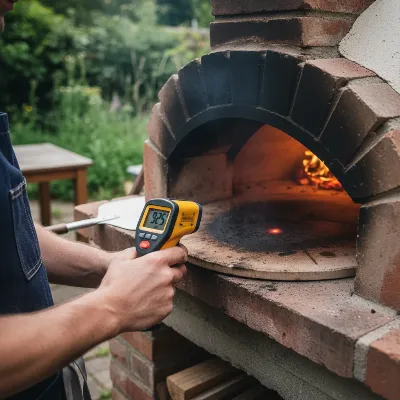 Checking pizza oven temperature with an infrared thermometer on the stone
Preheating Properly
Patience is key to achieving optimal pizza oven performance.
- Sufficient Preheating Time: Never rush the preheating process. Most pizza ovens, especially those with thick cooking stones, require 30-60 minutes (or even longer for wood-fired) to fully saturate the stone and the oven chamber with heat. A properly preheated stone ensures a crispy bottom crust.
Regular Cleaning and Maintenance
A clean oven is an efficient oven.
- Burner and Interior Cleaning: For gas ovens, regularly clean the burner ports. For all ovens, removing accumulated ash, soot, or burnt food debris can improve efficiency and heat distribution. Refer to your owner’s manual for recommended cleaning practices.
When to Call a Professional
While many common issues can be resolved with DIY troubleshooting, some problems require expert intervention for safety and effectiveness.
- Complex Gas Issues: Any problems involving inadequate gas pressure, persistent leaks, or faulty internal gas components should be handled by a qualified gas technician. Tampering with gas lines can be dangerous.
- Faulty Electrical Components: If you suspect a problem with internal wiring, heating elements, or other electrical components in an electric oven, it’s best to call a licensed electrician or an authorized service technician.
- Persistent Problems: If you’ve tried all the troubleshooting steps and your oven still won’t get hot enough, or if you notice unusual smells, sounds, or visual cues, it’s time to seek professional help. They have the specialized tools and expertise to diagnose and safely repair more complex issues.
Conclusion
A Pizza Oven that won’t get hot enough is a frustrating obstacle to making perfect homemade pizzas, but it’s often a fixable problem. By systematically checking your gas supply, burner condition, fuel quality, airflow, power connections, and preheating routines, you can usually restore your oven to its peak performance. Remember the importance of an infrared thermometer for accurate readings and the value of regular maintenance. Don’t let a lukewarm oven stand between you and your next delicious, crispy-crusted pizza; dive into these troubleshooting steps and get back to baking! What’s your go-to pizza recipe once your oven is firing on all cylinders?
Frequently Asked Questions
What is the ideal temperature for a pizza oven?
For most authentic Neapolitan-style pizzas, an ideal oven temperature ranges from 750°F to 950°F (400–510°C). This allows the pizza to cook in 60-90 seconds, creating a perfectly charred, airy crust and molten toppings.
How long should I preheat my pizza oven?
Preheating time varies by oven type and model, but generally, allow at least 30-60 minutes for gas and electric ovens. Wood-fired ovens can take 60-90 minutes or longer to fully heat the stone and dome, ensuring consistent high temperatures throughout the baking chamber.
Why does my pizza crust burn on one side while the other is undercooked?
This usually indicates uneven heat distribution or “hot spots” within the oven. For wood-fired ovens, manage your fire by rotating logs or coals. For all ovens, using a turning peel to rotate the pizza every 20-30 seconds during cooking can help achieve an even bake. Ensure you are preheating long enough to stabilize internal temperatures.