Curing a new brick pizza oven before its first use is a crucial multi-day process that involves slowly and gradually heating the oven to eliminate residual moisture trapped within its construction materials. This methodical approach, typically taking 3 to 7 days, prevents severe damage like cracking or structural failure that can occur if an uncured oven is exposed to rapid high temperatures. By carefully following a step-by-step heating schedule, you ensure the oven’s longevity, performance, and safety for years of delicious wood-fired meals.
Understanding the Importance of Curing Your New Brick Pizza Oven
Before a new brick pizza oven can withstand the intense heat required for cooking, it must undergo a specific conditioning process known as curing. This methodical approach ensures the structural integrity of your oven, safeguarding your investment and promising countless culinary adventures.
What is Curing and Why is it Essential?
Curing a pizza oven involves slowly and gradually heating it over a period of days to eliminate residual moisture trapped within its construction materials. During the building or assembly of a brick oven, water is incorporated into components like clay, mortar, and concrete. Even if the oven appears dry from the outside, pockets of moisture remain deep within its structure. The curing process gently expels this hidden water, preventing potential damage that could arise from rapid temperature changes. It’s an indispensable step that fortifies the oven for sustained high-temperature use.
The Science Behind Curing: Moisture Removal and Thermal Expansion
The necessity of curing a brick pizza oven is rooted in fundamental physics. When heat is applied too quickly to a new, uncured oven, the trapped moisture rapidly turns into steam. This sudden expansion of steam exerts immense pressure on the surrounding refractory materials, which can lead to severe cracking, spalling, and even structural failure of the oven dome and hearth. Curing allows for controlled thermal expansion, enabling the materials to adjust to increasing temperatures slowly. As the oven gradually heats, the moisture converts to vapor and escapes through the porous brick and mortar, strengthening the oven’s matrix and preparing it for the rigors of high-temperature pizza making.
Preparing Your Brick Pizza Oven for the Curing Process
Proper preparation is the cornerstone of a successful curing process. Before you even think about lighting a fire, a few essential steps will set the stage for your oven’s long and productive life.
Initial Inspection and Air-Drying
Upon completion of your brick pizza oven’s construction, or after its installation, it is crucial to allow it to air-dry naturally for at least 5 to 7 days, and ideally a full week, before commencing the active curing with fire. This initial waiting period permits the surface moisture to evaporate and the construction materials, such as mortar and cement, to fully set and achieve their initial strength. A thorough visual inspection should also be performed to ensure all components are secure and there are no obvious flaws or loose debris inside the oven chamber. This passive drying phase significantly reduces the amount of moisture that needs to be driven out by fire, making the subsequent curing process safer and more effective.
Gathering Your Curing Tools and Materials
|
Our Picks for the Best Pizza Oven in 2026
As an Amazon Associate I earn from qualifying purchases.
|
||
| Num | Product | Action |
|---|---|---|
| 1 | CHEFMAN Indoor Pizza Oven - Makes 12 Inch Pizzas in Minutes, Heats up to 800°F - Countertop Electric Pizza Maker with 5 Touchscreen Presets, Pizza Stone and Peel Included - Stainless Steel |

|
| 2 | Electric-Pizza-Oven-Indoor, 12 Inches Countertop Cooker,800℉ Electric Pizza Maker with Timer, Ceramic Stone, Viewing Window, Complete Accessory Kit, Black |
|
| 3 | Presto 03434 Pizzaz Plus Rotating Oven - 12-Inch, Countertop Pizza Oven, Nonstick Tray, Top and Bottom Heating Elements, Easy to Clean, Green/Gold |
|
| 4 | Gourmia Indoor Pizza Oven Air Fryer Toaster – 1800W Countertop Multi-Cooker with Pizza Stone, Digital Controls & 6 Presets, Stainless Steel |
|
| 5 | PIEZANO 12 Inch Electric Indoor Pizza Oven Heats up to 800˚F - Pizza Maker with Ceramic Stone for Crispy Crust Pizza, Cooks in Under 6 Minutes, Countertop, Dual Heat Control, Peels & Scraper Included |
|
| 6 | Pizza Oven Indoor, 12 Inch Retro Pizza Maker, Rapid Heating 800˚F, 1200W Glazed Ceramic Stone Electric Pizza Cooker, Two-button Precise Temperature Control, Viewing Window for Precise Cooking |
|
| 7 | BIG HORN OUTDOORS 12" Multi-Fuel Outdoor Pizza Oven – 3-in-1 Wood-Fired, Gas & Electric Compatible (Burners Sold Separately), Pellet Pizza Oven Portable Pizza Maker for Backyard, Camping & Tailgating |
|
| 8 | Pizza Oven Outdoor 12" Wood Fired Pizza Ovens Pellet Pizza Stove for outside, Portable Stainless Steel Pizza Oven for Backyard Pizza Ovens |
|
| 9 | PIEZANO XL 14 Inch Electric Indoor Pizza Oven Heats up to 800˚F - Pizza Maker with Stone for Crispy Crust Pizza, Cooks in Under 6 Minutes, Countertop, Dual Heat Control, Peels & Scraper Included |
|
| 10 | Presto 03430 Pizzazz Plus Rotating Oven, Black |
|
Having the right tools and materials on hand will make the curing process smooth and efficient. You will need a supply of dry, seasoned hardwood for fuel; suitable options include oak, ash, beech, or apple wood, with a moisture content of less than 20-25%. Avoid softwoods, treated lumber, or any wood that is painted or contains chemicals, as these can produce noxious fumes and compromise the oven’s interior. You’ll also need kindling and natural firelighters (wax-based, not chemical ones) to start the fires. Crucially, acquire a reliable digital infrared thermometer to accurately monitor the internal temperature of your oven, especially the dome, ensuring you adhere to the slow, incremental heating schedule. A long-handled ash shovel and brush will also be useful for managing the small fires.
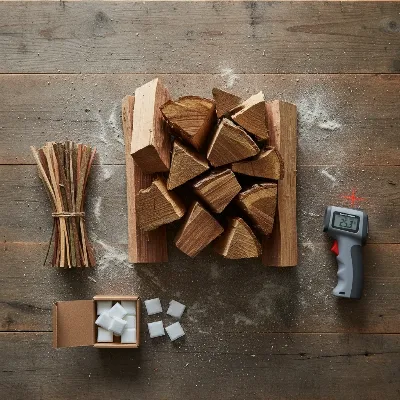 Essential tools and materials for curing a new brick pizza oven, including seasoned hardwood, kindling, firelighters, and an infrared thermometer.
Step-by-Step Guide to Curing Your Brick Pizza Oven
Curing is a multi-day commitment that demands patience and consistency. While specific schedules may vary slightly by manufacturer or oven type, the core principle remains the same: gradually increase heat over time.
The Gentle Beginning: Day 1 of Curing
On the first day of curing, the objective is to introduce very low heat to the oven, beginning the slow process of moisture evaporation without stressing the structure. Start by building a very small, central fire using only kindling and thin strips of seasoned hardwood. Position the oven door to act as a windbreak, leaving about a 1-inch (25mm) gap to allow for air circulation and the escape of steam. Maintain the internal temperature of the oven, particularly the dome, at a low level, typically around 140-150°F (60-65°C), for approximately 4 to 6 hours. This initial, gentle heat coaxes out the first layer of surface moisture, preparing the oven for subsequent temperature increases.
Gradual Temperature Increase: Days 2-3
For the second and third days, continue the curing process by gradually increasing the intensity and duration of the fires. On Day 2, aim for an internal temperature of around 215-300°F (100-150°C), maintaining it for 4 to 6 hours. You can achieve this by adding slightly larger pieces of seasoned hardwood to your central fire. On Day 3, further elevate the temperature to approximately 300-450°F (150-230°C), again holding it for 4 to 6 hours. Keep the oven door ajar and the flue open throughout these sessions. This incremental heating allows deeper layers of moisture to evaporate, and the refractory materials continue to acclimatize to the rising temperatures, strengthening their composition.
Approaching Full Heat: Days 4-5
As you progress into the later stages of curing, the goal is to bring the oven closer to its operational temperatures, preparing it for the intense heat of pizza baking. On Day 4, target a temperature range of 400-480°F (200-250°C), maintaining it for 4 to 6 hours. On Day 5, you can begin to push the oven towards its full cooking temperatures, aiming for 500°F (260°C) and beyond, or following your oven manufacturer’s specific guidelines for reaching operational heat. During these final days, you should notice less steam escaping and potentially some small, hairline cracks appearing on the exterior – this is generally normal and indicates the materials are settling. The consistent, increasing heat ensures all remaining moisture is driven out, and the oven becomes truly ready for regular use.
Monitoring and Adjusting Your Curing Fire
Throughout the entire curing process, vigilant monitoring of the oven’s internal temperature is paramount. Use your infrared thermometer frequently to check the dome’s temperature, as this is typically the hottest point and the most critical for consistent heating. If the temperature rises too quickly, reduce the amount of fuel in the fire. If it struggles to reach the target, gradually add more small pieces of wood. Consistency is key; try to maintain the target temperature range for the recommended duration each day. Always keep the fire centrally located in the oven to ensure even heating across the entire structure. Patience and careful adjustment will prevent damage and lead to a perfectly cured oven.
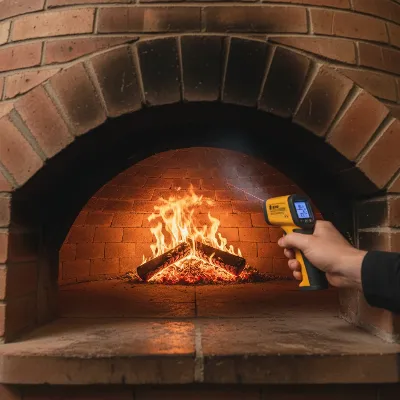 A small, controlled fire burning centrally inside a brick pizza oven during the curing process, with an infrared thermometer pointing at the dome.
Common Mistakes to Avoid When Curing a Pizza Oven
While the curing process might seem straightforward, certain missteps can jeopardize your oven’s integrity and performance. Being aware of these common errors can save you significant time, effort, and potential repair costs.
Rushing the Process and Its Consequences
One of the most frequent and damaging mistakes made during oven curing is attempting to rush the process. It’s tempting to get straight to baking, but significantly shortening the curing schedule or aggressively increasing temperatures too quickly can have dire consequences. Rapid heating forces trapped moisture to vaporize too quickly, creating excessive internal pressure that can lead to large, deep cracks, spalling of the refractory materials, or even structural failure. Such damage can be difficult or impossible to repair, diminishing your oven’s efficiency, longevity, and even its safety. Patience is truly a virtue when it comes to curing; allow the oven the time it needs to dry out thoroughly and gradually adapt to heat.
Using Improper Fuels for Curing
The type of fuel you use during curing is just as important as the temperature schedule. A common mistake is using incorrect wood or accelerants. Avoid softwoods like pine, as they often contain sappy resins that can leave undesirable residues, produce excessive smoke, and not generate clean heat. Never use chemically treated wood, painted wood, or engineered wood products, as these can release toxic fumes that will permeate the oven’s porous interior and potentially contaminate your food in the future. Steer clear of charcoal or lighter fluid. Stick to small, dry pieces of seasoned hardwood and natural firelighters to ensure a clean, controlled burn that effectively removes moisture without introducing harmful byproducts.
Overlooking Ventilation and Temperature Control
Neglecting proper ventilation and meticulous temperature control are critical errors during curing. Many new owners might be tempted to close the oven door completely to “trap” the heat, but this is counterproductive and dangerous. A sealed oven prevents the steam from escaping, trapping the moisture inside and increasing the risk of structural damage. Always keep the oven door slightly ajar and ensure the flue is open to allow for proper airflow and steam release. Failing to use an accurate thermometer, or ignoring its readings, can lead to inadvertently overheating the oven. It is far better to cure at a slightly lower temperature than recommended than to exceed the target heat, especially in the initial stages. Consistent monitoring and adjustment are essential for a safe and effective cure.
Post-Curing Care and Your First Pizza
Congratulations! Once the curing process is complete, your brick pizza oven is officially ready for action. Knowing what to expect and how to approach your first cooking session will ensure a smooth transition from curing to culinary delight.
What to Expect After the Curing Process
After successfully completing the multi-day curing schedule, your oven should be thoroughly dry and ready for high-temperature use. You might observe minor, superficial hairline cracks on the exterior of the oven, which are entirely normal and a natural result of the thermal expansion and contraction the materials have undergone. These do not affect the oven’s performance or structural integrity. The interior of the dome should appear lighter, as the black soot from the fires will have been “burnt off” by the increasing heat. Once cured, your oven generally won’t require re-curing unless it has been exposed to prolonged periods of heavy rain or hasn’t been used for a very long time, accumulating significant moisture. For typical use and proper protection, the initial cure is a one-time essential step.
Tips for Your Inaugural Pizza Baking Session
With your brick pizza oven expertly cured, the moment to bake your first pizza has arrived. For this inaugural session, aim to gradually bring the oven up to your desired cooking temperature, rather than rushing it to maximum heat. This allows the oven to further acclimate and provides you an opportunity to understand its unique heating characteristics. Use good quality, dry hardwood, and build a vibrant, consistent fire to achieve the high temperatures necessary for authentic pizza – typically 700-900°F (370-480°C) for the dome. Before sliding in your pizza, ensure the oven floor is clean of ash and that the flames have died down to a glowing ember bed, providing consistent radiant heat. Wood-fired pizzas cook incredibly fast, often in 60-90 seconds, so be prepared to rotate your pizza frequently to ensure even cooking and a perfectly crisp crust with beautifully charred spots.
Frequently Asked Questions About Brick Oven Curing
How long does the curing process typically take?
The curing process for a new brick pizza oven usually takes between 3 to 7 days, with many manufacturers and experts recommending a 5-day schedule. The exact duration can depend on the oven’s specific construction materials, size, and local humidity levels. It’s crucial to follow a slow, incremental heating schedule over this period to ensure all trapped moisture is safely expelled.
Can I skip the curing process, or is it absolutely necessary?
Skipping the curing process is not recommended and can lead to significant damage. Curing is absolutely necessary to remove residual moisture from the oven’s construction materials. If you heat an uncured oven too quickly, the trapped moisture can turn to steam and cause severe cracking, spalling, or even structural failure, compromising the oven’s longevity and performance.
What kind of wood is best for curing a brick pizza oven?
For curing a brick pizza oven, it is best to use small pieces of dry, seasoned hardwood such as oak, ash, beech, or apple. The wood should have a moisture content of less than 20-25%. Avoid softwoods, chemically treated wood, painted wood, or any type of accelerant (like lighter fluid or charcoal), as these can release harmful fumes or create excessive smoke that can damage the oven or contaminate future food.
What should I do if cracks appear during curing?
It is normal for small, superficial hairline cracks to appear on the exterior of a brick pizza oven during the curing process. These are typically a result of the natural thermal expansion and contraction of the materials and usually do not affect the oven’s structural integrity or performance. However, if large, deep, or rapidly growing cracks appear, consult your oven’s manufacturer or a professional for guidance, as this could indicate an issue.
Do I need to re-cure my oven if it gets wet or isn’t used for a long time?
Typically, the initial curing process is a one-time event for a new oven. However, if your oven has been exposed to prolonged heavy rain or has been dormant and unprotected for an extended period (several months or more), it may accumulate significant moisture. In such cases, a mini re-curing, starting with a smaller, lower-temperature fire for a few hours, followed by a gradual increase, is advisable to dry it out before resuming full-temperature cooking.
The journey to perfectly crispy, wood-fired pizzas begins with a properly cured oven. This deliberate, multi-day process of gradually heating your new brick pizza oven shows patience and a commitment to quality. By diligently removing trapped moisture, you reinforce its structure, enhance its efficiency, and ensure it stands ready to serve your culinary passions for years to come. A well-cured oven is not just a tool; it’s the heart of your outdoor kitchen, promising endless delicious memories. What will be the first topping on your perfectly baked pizza?
Frequently Asked Questions
How long does the curing process typically take for a new brick pizza oven?
The curing process for a new brick pizza oven usually takes between 3 to 7 days, with many experts recommending a 5-day schedule. This duration allows for the slow, incremental heating necessary to safely expel all trapped moisture from the oven's construction materials.
Is it absolutely necessary to cure a new brick pizza oven before using it?
Yes, curing is absolutely necessary and should not be skipped. It removes residual moisture from the oven's materials. Skipping this can cause trapped moisture to turn to steam, leading to severe cracking, spalling, or structural failure, which compromises the oven's longevity and performance.
What type of wood is recommended for curing a brick pizza oven?
For curing a brick pizza oven, use small pieces of dry, seasoned hardwood like oak, ash, beech, or apple, with a moisture content below 20-25%. Avoid softwoods, chemically treated wood, painted wood, or accelerants, as these can release harmful fumes or create excessive smoke.
What should I do if I notice cracks appearing on my oven during the curing process?
Small, superficial hairline cracks on the exterior of a brick pizza oven are normal during curing, resulting from natural thermal expansion and contraction. These typically do not affect performance. However, if large, deep, or rapidly growing cracks appear, consult your oven's manufacturer or a professional for guidance.
Do I need to re-cure my brick oven if it gets wet or isn't used for a long time?
The initial curing is generally a one-time event. However, if your oven has been exposed to prolonged heavy rain or has been dormant and unprotected for several months, it may accumulate significant moisture. In such cases, a mini re-curing with a smaller, lower-temperature fire is advisable before resuming full-temperature cooking.
How to Cure a New Brick Pizza Oven
Curing a new brick pizza oven is essential to remove moisture and prepare it for high-temperature cooking. This multi-day process ensures the oven's structural integrity and longevity.
Allow your newly constructed or installed brick pizza oven to air-dry naturally for 5 to 7 days before starting the active curing process. Perform a thorough visual inspection to ensure all components are secure and free of debris.
On Day 1, build a very small, central fire using kindling and thin seasoned hardwood strips. Maintain the oven's internal temperature at 140-150u00b0F (60-65u00b0C) for 4 to 6 hours, keeping the door ajar to allow steam to escape. Use an infrared thermometer to monitor the dome temperature.
On Day 2, increase the internal temperature to 215-300u00b0F (100-150u00b0C) for 4 to 6 hours by adding slightly larger wood pieces. On Day 3, further elevate the temperature to 300-450u00b0F (150-230u00b0C) for the same duration. Continue to monitor temperatures and ensure proper ventilation.
On Day 4, target 400-480u00b0F (200-250u00b0C) for 4 to 6 hours. On Day 5, push the oven towards its full cooking temperatures, aiming for 500u00b0F (260u00b0C) and beyond, following manufacturer guidelines. Observe for minor hairline cracks, which are normal as materials settle.
Throughout the entire curing process, vigilantly monitor the oven's internal temperature with an infrared thermometer. Adjust fuel amounts to maintain target temperatures, keeping the fire central for even heating. Patience and careful adjustment are key to preventing damage.

The information on slowly and gradually heating the oven was good, but I found the explanation of residual moisture a bit technical. I just wanted to know what to do, not all the science behind it. It got the job done though, my oven seems fine after the curing process, so I can’t complain too much.
Absolutely essential reading for anyone with a new brick oven! I was about to rush into using mine, but thankfully I found this first. The detailed explanation of why curing is important, especially preventing damage from rapid high temperatures, convinced me to take my time. My oven is now perfectly seasoned and ready for some amazing wood-fired meals.
I’ve been wanting to cure my new brick oven properly for ages, and this really helped. I appreciated the emphasis on preventing cracking and structural failure, which was my biggest fear. I followed the 5-day plan and it worked great. My only minor quibble is that I wish there was a quick checklist at the end for each day’s temps.
This guide was a lifesaver! I just installed my new Forno Bravo oven and was so nervous about the curing process. The step-by-step heating schedule made it really clear what to do each day. My oven is now perfectly cured and ready for its first pizza party this weekend. Thanks for making it so easy to understand!