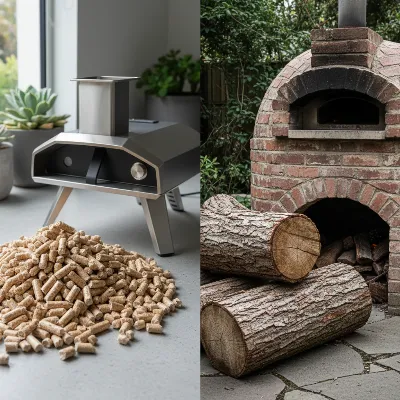
There’s nothing quite like the experience of pulling a perfectly cooked, crispy-crusted pizza from your very own stone pizza oven. The aroma, the crackle, the authentic taste—it all contributes to a culinary magic. But after countless delicious pies, your stone oven will inevitably show signs of its hard work, accumulating burnt-on food, ash, and grease. While a well-seasoned stone tells a story of many meals, knowing how to clean it safely and effectively is crucial for maintaining its performance and extending its lifespan. Unlike conventional oven cleaning, caring for a porous stone pizza oven requires a specific, gentle approach. Let’s dive into the best DIY methods to keep your stone pristine without compromising its integrity or the flavor of your next pizza.
Understanding Your Stone Pizza Oven and Why Cleaning Matters
A stone pizza oven, whether a full outdoor unit or a portable tabletop model, relies on a unique baking surface, typically made from materials like cordierite, ceramic, or firebrick. These materials are chosen for their ability to absorb and retain high heat, mimicking a traditional brick oven to create that coveted crispy crust. The porous nature of these stones allows them to draw moisture from the dough, contributing to the perfect texture of your pizza.
Regular cleaning is not just about aesthetics; it’s essential for both performance and longevity. A build-up of food debris, char, and ash can lead to uneven cooking, altered flavors, and even smoke issues. Neglecting proper cleaning can also shorten the life of your stone, potentially leading to cracks or damage over time.
However, the very porous nature that makes these stones so effective also means traditional cleaning methods, like harsh detergents or excessive water, are completely unsuitable. The stone readily absorbs liquids and chemicals, which can cause cracking due to thermal shock or impart unpleasant soapy tastes to your food in subsequent uses. Understanding this fundamental difference is the first step to becoming a pizza oven cleaning pro.
Preparing for a Safe and Effective Clean
Before you even think about tackling those stubborn stains, safety must be your top priority. Pizza ovens reach incredibly high temperatures, often twice as hot as a standard kitchen oven, so rushing the cleaning process can lead to significant injury. Always ensure your pizza oven has completely cooled down before you begin any cleaning tasks. This crucial step prevents burns and protects your stone from thermal shock, which can cause cracking. Depending on the type of oven and ambient temperature, this cooling period could take several hours or even overnight. Patience truly is a virtue here.
Once your oven is cool to the touch, gather your essential cleaning tools. You won’t need an arsenal of harsh chemicals; instead, focus on simple, effective items. A sturdy, long-handled brush specifically designed for pizza ovens, often featuring stainless steel or natural fiber bristles and a scraper on one side, is invaluable. You’ll also want a bench scraper or metal spatula for tackling tougher, baked-on bits. For deeper cleaning, baking soda and a small amount of water will be your best natural allies, along with a clean, damp cloth for wiping. For external cleaning, a soft brush or cloth and a mild cleaner can be used, ensuring no residue comes into contact with the stone.
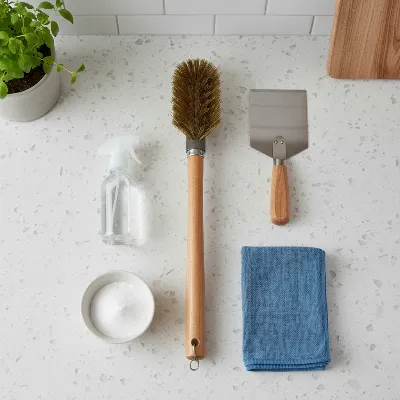 Essential cleaning tools for stone pizza oven maintenance laid out on a kitchen counter.
Step-by-Step Cleaning Guide for Your Stone Pizza Oven
Cleaning your stone pizza oven effectively involves a systematic approach, focusing on dry methods first, then gentle, natural solutions for more stubborn issues. Remember, the goal isn’t to make your stone look brand new, but to remove food residue and maintain its functionality.
Initial Debris Removal: The Dry Scrape
Table is empty.Start by removing any loose debris, ash, or charred food particles. If your oven is a wood-fired model, gently scoop out any remaining ash with an ash shovel. For both wood-fired and gas ovens, use your pizza oven brush and scraper. The scraper side is excellent for dislodging larger, baked-on pieces of cheese, sauce, or dough that have become welded to the stone surface. Work gently but firmly, scraping towards the center or out of the oven. Follow up with the brush side to sweep away smaller crumbs and dust. A handheld vacuum can also be useful for ensuring all fine remnants have been removed from the stone surface and the oven floor. Performing this step regularly after each use helps prevent significant build-up.
Tackling Baked-On Food and Stains with Natural Solutions
For more stubborn, baked-on food or grease stains that the scraper couldn’t remove, it’s time for a natural approach. Create a thick paste by mixing equal parts baking soda and water in a small bowl. Apply this paste directly to the stained areas. Baking soda is a mild abrasive and a natural deodorizer, making it ideal for lifting tough substances without introducing harmful chemicals. Use your scrubbing brush to gently work the paste into the stains in circular motions. The paste will help to break down the grime. After scrubbing for a few minutes, wipe the area clean with a damp cloth, ensuring all traces of the baking soda are removed. You may need to repeat this process for particularly persistent marks.
Addressing the Oven Interior (Beyond just the stone)
While the stone is the primary concern, don’t neglect the rest of your oven’s interior. For the dome and walls, especially in wood-fired ovens, you might notice soot and char. Some ovens benefit from a “pyrolysis” effect, where running the oven at its highest temperature for an additional 30 minutes after cooking can burn off residual debris, making it easier to scrape away. For the interior, once cooled, use your oven brush to sweep away any loose soot or food particles from the ceiling and walls. For stainless steel components, a non-abrasive stainless steel cleaner can be used, but ensure it never comes into contact with the porous stone surfaces.
Thorough Drying: The Most Important Step
After any use of water or baking soda paste, thoroughly drying your pizza stone is paramount. Any trapped moisture within the porous stone can lead to cracking when the oven is reheated due to the rapid expansion of steam. Wipe the stone down with a clean, dry cloth to remove as much surface moisture as possible. Then, and this is crucial, allow the stone to air dry completely for at least 24 to 48 hours before its next use. Some experts even recommend placing it in a cool, dry spot, ensuring it’s laid flat to prevent warping. You want to be absolutely certain the stone is bone dry to avoid thermal shock and potential damage.
What NOT to Do When Cleaning Your Stone Pizza Oven
When it comes to cleaning a stone pizza oven, what you don’t do is often as important as what you do. Avoiding certain practices is key to maintaining your oven’s performance, longevity, and the authentic taste of your pizzas.
The Absolute No-No’s: Soap, Detergents, and Harsh Chemicals
The golden rule of pizza stone cleaning is simple: never, ever use soap, dishwashing liquid, or any harsh chemical cleaners. The porous surface of the stone acts like a sponge, readily absorbing these substances. If soap is absorbed, it will leach into your pizzas during subsequent cooking, leaving an unpleasant soapy aftertaste that can ruin your culinary efforts. Similarly, harsh chemicals can degrade the stone material and pose health risks. Skip the dishwasher too, as its detergents and excessive water can be detrimental. Stick to water sparingly and natural solutions like baking soda.
> “The most important thing to remember is that pizza stones are porous. They will absorb any chemical you use to clean them, which will then leach into your food. Keep soap and harsh cleaners far away from your stone.” – Chef Elena Rossi, Artisan Pizza Expert
Avoiding Excessive Water and Thermal Shock
While some water can be used for tough stains, excessive water is a significant enemy of your pizza stone. Soaking the stone or using large amounts of water can lead to moisture becoming trapped deep within its pores. When this trapped water heats up rapidly during your next cooking session, it can expand and cause the stone to crack or even shatter due to thermal shock. Always use water sparingly and ensure the stone is completely air-dried for at least 24-48 hours before reheating. Furthermore, never introduce cold water to a hot stone, or vice versa, to avoid immediate thermal shock.
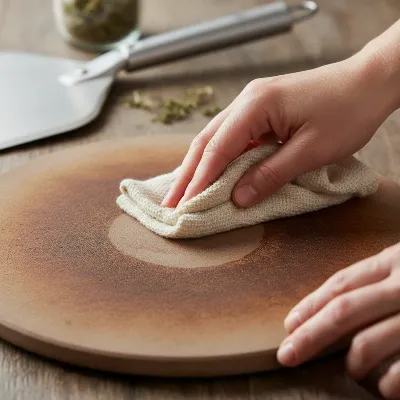 A clear depiction of a pizza stone being carefully wiped down with a damp cloth, avoiding excessive water and soap.
When to Embrace the Stains
It’s natural for your pizza stone to develop dark spots and stains over time. These aren’t signs of a dirty stone but rather badges of honor—they indicate a well-seasoned stone that has absorbed oils and flavors, enhancing its non-stick properties and heat distribution. Many professional pizzaiolos will tell you that a well-used, darkened stone performs better than a brand new one. There’s no need to aggressively scrub away every discoloration to make the stone look pristine. In fact, attempting to do so might cause more harm than good by removing the beneficial seasoning or damaging the surface. Learn to appreciate these marks; they are part of your stone’s character and contribute to better pizzas.
Maintaining Your Pizza Oven Stone for Lasting Performance
Consistent, gentle care is the secret to a long-lasting and high-performing pizza oven stone. By incorporating a few simple habits into your routine, you can ensure your stone continues to deliver perfectly crispy crusts for years to come.
Quick Cleans After Every Use
The best defense against stubborn build-up is proactive cleaning. After each pizza-making session, once your oven has fully cooled, perform a quick clean. Use your pizza oven brush and scraper to remove any loose food particles, excess flour, or ash from the stone’s surface and the oven floor. This prevents burnt-on debris from accumulating and becoming harder to remove later. This routine maintenance is usually all that’s needed for most uses and helps keep your stone ready for its next culinary adventure.
Proper Storage for Longevity
Where and how you store your pizza stone can significantly impact its lifespan. If your stone is removable, ensure it is completely dry before storing it. Store it flat in a dry, protected environment, away from extreme temperature fluctuations. Avoid placing heavy items on top of it, which could lead to chips or cracks. Many pizza oven enthusiasts prefer to keep their stone inside the oven at all times. This can act as a temperature stabilizer within the oven, minimizing hot spots, and eliminates the risk of dropping or damaging the heavy stone while moving it. If you use your oven frequently, leaving the stone inside can also save you the hassle of transferring it back and forth.
Recognizing When It’s Time for a Replacement
Despite your best cleaning and maintenance efforts, pizza stones don’t last forever. Over many years of intense heat cycles, a stone may eventually show signs of significant wear. Look out for deep cracks that run through the stone, as these can affect its structural integrity and heat retention, potentially leading to breakage during use. Excessive pitting or crumbling of the surface can also indicate it’s time for a new stone, as this can impact cooking performance and food safety. While minor surface cracks or dark stains are normal and do not necessarily warrant replacement, knowing when a stone is truly past its prime will help you maintain optimal pizza quality and safety.
Troubleshooting Common Cleaning Challenges
Even with the best intentions and diligent cleaning, you might encounter a few hurdles. Knowing how to troubleshoot these common challenges can save you frustration and keep your pizza oven in top shape.
Stubborn, Deep-Set Stains
Sometimes, despite your best efforts with baking soda paste and scrubbing, a deep-set stain or burn mark might remain. Remember, significant discoloration is normal and even desirable for a seasoned stone. However, if a particular spot is affecting cooking performance or flaking off, you might consider a slightly more abrasive approach for that specific area. Some sources suggest using a fine-grit sandpaper (around 100-150 grit) very sparingly and gently on the cooled stone for extreme cases, followed by a thorough wipe-down to remove any residue. This should be a last resort and performed with extreme caution to avoid damaging the stone’s surface. Always clean off any sanded dust completely.
Dealing with Accidental Soap Exposure
Accidentally using soap on your pizza stone can be a disheartening moment, but it’s not necessarily the end of its life. If you’ve used soap, rinse the stone thoroughly with warm water, using as little water as possible, and scrub with a brush to try and remove any surface residue. The key then is to dry the stone for an extended period—several days, even—to allow any absorbed moisture and soap molecules to evaporate. Some suggest placing the stone in a cool oven and running it at a very low temperature (around 100-150°F / 40-65°C) for several hours to aid in the evaporation process, though this should be done with caution and monitoring. Then, perform a “burn-off” by heating the stone to your oven’s maximum temperature for an hour or more to burn away any remaining residue. You might notice a soapy smell during this process. After this, let it cool completely and re-evaluate. It might take a few pizzas to fully “season” out any lingering taste.
Conclusion
Keeping your stone pizza oven clean and well-maintained is a simple yet crucial part of enjoying homemade pizzas for years to come. By prioritizing safety, understanding the unique, porous nature of the stone, and embracing natural cleaning methods, you can effectively remove food debris and stains without resorting to harsh chemicals or excessive water. Remember that a dark, seasoned stone is a happy stone, a testament to countless delicious meals. With routine dry scraping, the occasional baking soda paste treatment, and diligent drying, your Pizza Oven stone will remain a reliable workhorse, ready to transform your kitchen into an authentic pizzeria experience. So, what delicious pizza will you bake next now that your stone is sparkling (but still seasoned) clean?
Frequently Asked Questions
Can I clean a pizza stone in the dishwasher?
No, you should never clean a pizza stone in the dishwasher. Its porous surface will absorb the harsh detergents and excessive water, leading to potential cracking and imparting a soapy flavor to future pizzas. Always clean by hand using minimal water.
Is it normal for a pizza stone to change color or have stains?
Absolutely! Darkening, charring, and stains are a normal and desirable part of a well-used pizza stone. These marks indicate seasoning, which improves the stone’s non-stick properties and heat distribution over time. There’s no need to scrub them away entirely.
How long does a pizza stone need to dry after cleaning with water?
After using any water for cleaning, your pizza stone should air dry completely for at least 24 to 48 hours. This prolonged drying time ensures all moisture trapped within the stone’s pores has evaporated, preventing thermal shock and cracking when the stone is reheated.
What should I do if my pizza stone cracks?
Small hairline cracks might not be a major issue, but deep cracks that run through the stone usually mean it’s time for a replacement. A severely cracked stone can affect heat distribution and may break apart during use, posing a safety risk.
Can I use oil to season my pizza stone?
While some initial seasoning with a very thin layer of high-smoke-point oil is occasionally recommended for new stones, you should generally avoid adding oil for regular cleaning or seasoning. Oils can polymerize and become sticky, and a stone naturally seasons with use.