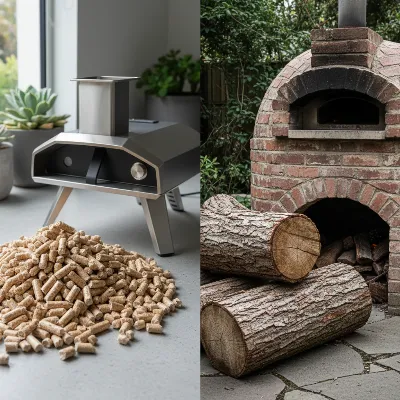
Dreaming of crafting perfect pizzas in your backyard? The aroma of a crisp crust, bubbling cheese, and fresh toppings cooked to perfection is an irresistible call for many home chefs. Deciding on the right pizza oven is the first crucial step, and often, the debate boils down to two formidable contenders: gas-fired versus wood-fired pizza ovens. Both offer unique benefits and can deliver incredible results, but they cater to different preferences and cooking styles. This comprehensive guide will slice through the details, helping you understand their differences, weigh their pros and cons, and ultimately choose the ideal pizza oven to elevate your outdoor cooking experience.
Pizza Ovens: An Overview and Buying Guide
A pizza oven is a specialized cooking appliance designed to reach significantly higher temperatures than a conventional kitchen oven, typically ranging from 700°F to over 900°F (370°C to 480°C). These extreme temperatures are essential for cooking pizzas rapidly—often in 60 to 90 seconds—creating the signature crispy crust and perfectly melted toppings that characterize authentic Neapolitan-style pizza. Beyond pizza, these versatile ovens can roast vegetables, bake bread, or sear meats, making them a fantastic addition to any outdoor kitchen setup.
The history of pizza ovens stretches back centuries, with traditional brick and stone ovens fueled by wood being the original method for baking flatbreads and, eventually, pizza. Over time, technology has evolved, introducing gas, electric, and even hybrid options that offer modern convenience without sacrificing performance. The core purpose, however, remains the same: to provide intense, consistent heat for superior cooking.
What is a Pizza Oven?
Table is empty.A pizza oven is a high-heat cooking unit specifically engineered to replicate the intense thermal environment required for authentic pizza. Unlike standard kitchen ovens, which typically max out around 500°F (260°C), pizza ovens reach much higher temperatures, often exceeding 900°F (480°C). This extreme heat cooks a pizza in mere minutes, resulting in a perfectly crisp crust and evenly cooked toppings.
The utility of a pizza oven extends far beyond just pizza. Many owners use them for baking artisan breads, roasting various vegetables, searing steaks, or even cooking fish. Their ability to deliver intense, radiant heat makes them incredibly versatile for a range of high-temperature cooking tasks, making them a centerpiece for outdoor culinary adventures.
Popular Types of Pizza Ovens
The market for pizza ovens has expanded significantly, offering a variety of types to suit different needs and preferences. While the core function remains the same, the fuel source and design often dictate the cooking experience and results. Understanding these different types is key to making an informed decision for your home or business.
- Wood-Fired Pizza Ovens: These are the traditional choice, burning wood to generate intense heat and impart a distinctive smoky flavor. They are often revered for providing the most authentic pizza experience, requiring a hands-on approach to fire management.
- Gas-Fired Pizza Ovens: Prized for convenience and precision, gas ovens heat up quickly and maintain consistent temperatures with the turn of a dial. They offer a clean, neutral flavor and are generally easier for beginners to operate, often running on propane or natural gas.
- Electric Pizza Ovens: These models offer the ultimate in convenience and are often suitable for indoor use. They typically don’t reach the extreme temperatures of wood or gas, but modern electric ovens can still produce excellent pizzas, especially smaller countertop versions.
- Hybrid (Dual-Fuel) Pizza Ovens: Combining the best of both worlds, hybrid ovens allow you to switch between gas and wood fuel. This offers the smoky flavor of wood when desired and the convenience and control of gas for other occasions.
- Portable Pizza Ovens: Many gas, electric, and even some smaller wood-fired ovens are designed to be portable. These compact units are perfect for tailgating, camping, or simply moving your pizza party around the backyard.
Each type brings its own set of advantages and considerations, from the rustic charm of wood-fired cooking to the modern ease of gas or electric models. The choice often reflects a balance between desired flavor, ease of use, and overall cooking experience.
Gas-Fired Pizza Ovens: Convenience and Consistency
Gas-fired pizza ovens have surged in popularity, offering a blend of modern convenience and high-performance cooking. These ovens are typically powered by propane tanks, making them highly portable, or can be connected to a natural gas line for a continuous fuel supply. They are lauded for their rapid heat-up times and precise temperature control, allowing users to achieve consistent results with minimal effort. This makes them particularly appealing for those who prioritize ease of use and speed.
One of the main advantages of a gas oven is its user-friendly operation. You simply turn a dial, and the oven quickly reaches temperature, often within 15-20 minutes, significantly faster than wood-fired counterparts. This instant heat means you can cook multiple pizzas in a row without needing to constantly tend a fire. The resulting pizza has a clean, neutral flavor, allowing the ingredients to shine without any smoky undertones. They are also easier to clean, as there’s no ash or soot residue to deal with after cooking. However, gas ovens typically lack the traditional smoky flavor that many purists associate with authentic pizza.
Wood-Fired Pizza Ovens: Tradition and Flavor
Wood-fired pizza ovens represent the traditional heart of pizza making, celebrated for their ability to impart a unique, smoky flavor and achieve an unparalleled crust texture. These ovens burn logs or wood pellets to generate intense, radiant heat, often reaching temperatures up to 1000°F (540°C). The hands-on process of building and maintaining a fire is part of the allure for many enthusiasts, offering a more engaging and rustic cooking experience.
Beyond the distinct flavor, wood-fired ovens create a truly authentic cooking environment. The radiant heat from the flame and the convection from the circulating hot air cook pizzas incredibly fast, often in 60-90 seconds. While they require more effort and skill in managing the fire and maintaining consistent temperatures, the results often speak for themselves: a blistered, chewy crust with a subtle char and an inimitable smoky aroma. This traditional approach appeals to those who enjoy the artistry of fire cooking and seek the most genuine pizza taste.
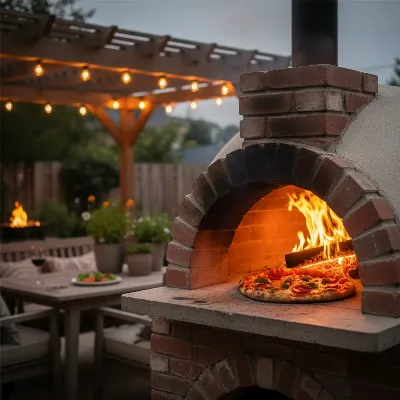 A wood-fired pizza oven with a flame inside, cooking a pizza, in a backyard setting at dusk
Comparison Table: Gas vs. Wood-Fired Pizza Ovens
Choosing between a gas and wood-fired pizza oven depends heavily on your priorities for flavor, convenience, and the overall cooking experience. Both excel in different areas, offering distinct benefits. The following table provides a detailed comparison to help you weigh the key factors.
| Feature | Gas-Fired Pizza Oven | Wood-Fired Pizza Oven |
|---|---|---|
| Fuel Source | Propane or Natural Gas | Hardwood logs or pellets |
| Flavor Profile | Clean, neutral; highlights pizza ingredients | Distinct smoky aroma; traditional taste |
| Heat-Up Time | Fast (15-20 minutes) | Slower (30-60 minutes), requires fire building |
| Temperature Control | Precise and consistent, easy to adjust | Requires skill and practice to manage flame & heat |
| Ease of Use | Very easy; turn a dial, minimal monitoring | Hands-on; continuous fire management, learning curve |
| Maintenance & Cleaning | Minimal ash/soot; easier to clean | Significant ash/soot; regular cleaning needed |
| Versatility | Excellent for consistent cooking, roasts, baking | Great for slow cooking (residual heat), smoking, baking |
| Fuel Sourcing | Readily available (tanks or line connection) | Requires sourcing, storing, and seasoning wood |
| Portability | Many models are highly portable | Some portable options, but often heavier |
| Cost (Fuel) | Generally more predictable | Varies based on wood type and availability |
| Installation | Simpler, often plug-and-play | Can be more complex, especially for built-in units |
| Emissions | Lower greenhouse gas emissions than wood | Higher particulate emissions, though less CO2/MWh than LPG |
| Experience | Convenient, quick, consistent | Traditional, engaging, artisanal, social centerpiece |
This comparison highlights that while gas ovens offer unparalleled convenience and control, wood-fired ovens deliver a unique flavor and a more traditional, hands-on experience. Your ideal choice will align with your personal cooking style and desired outcome.
Guide to Choosing Your Pizza Oven
Selecting the perfect pizza oven requires careful consideration of several factors, including your specific needs, available space, budget, and desired features. By evaluating these aspects, you can narrow down the options and find an oven that truly complements your lifestyle and cooking aspirations. It’s an investment that will transform your outdoor dining and entertainment.
> “The best pizza oven isn’t the most expensive or the most technologically advanced, but the one that fits seamlessly into your lifestyle and inspires you to cook more.” – John Smith, Culinary Expert on Outdoor Cooking
Determining Your Usage Needs
Before diving into models and features, consider how you envision using your pizza oven. Will it be primarily for casual family dinners, large backyard parties, or perhaps even commercial use? This will heavily influence the size, fuel type, and durability you require. For example, a small, portable gas oven is perfect for quick weeknight meals or taking on camping trips. If you plan to host larger gatherings, a larger wood-fired or hybrid oven with ample cooking space might be more appropriate, allowing you to cook multiple pizzas simultaneously. For commercial settings, durability and high-volume output are paramount, often leading to larger, more robust units.
Budget Considerations
Pizza ovens range widely in price, from a few hundred dollars for compact, portable models to several thousands for high-end, built-in units. Establish a realistic budget that encompasses not just the oven itself, but also essential accessories like pizza peels, turning peels, thermometers, and covers. Remember that fuel costs also vary; propane might be a consistent expense, while wood requires sourcing and storage. It’s often worthwhile to invest in a quality oven that will last, rather than opting for the cheapest option that may not meet your performance expectations or endure years of use.
Size and Space Requirements
The physical footprint of your pizza oven is a critical factor, especially if you have limited outdoor space. Portable and countertop gas or electric ovens are ideal for smaller patios, balconies, or even tailgating. Larger built-in wood-fired ovens, on the other hand, require a dedicated and well-ventilated area, often becoming a permanent fixture in an outdoor kitchen. Consider not only the oven’s dimensions but also the clearance needed for safe operation and comfortable workflow, including space for fuel storage if choosing wood.
Essential Features
Modern pizza ovens come with a variety of features that can enhance the cooking experience. Look for ovens with excellent insulation, as this ensures rapid heat-up and efficient heat retention, which is crucial for consistent cooking and fuel efficiency. Temperature gauges are vital for monitoring the internal heat, while adjustable burners (for gas) or efficient airflow systems (for wood) offer greater control. Some models include rotating pizza stones, which eliminate the need for manual turning and ensure even cooking. Consider also the build materials; stainless steel offers durability and ease of cleaning, while refractory brick provides superior heat retention for wood-fired models.
Brand Reputation and Reliability
Choosing a reputable brand can provide peace of mind regarding product quality, warranty, and customer support. Established brands often have a track record of producing durable, high-performance ovens and offer comprehensive resources for maintenance and troubleshooting. Reading reviews from other users and seeking recommendations can provide valuable insights into a brand’s reliability and the real-world performance of their ovens. Some well-regarded brands in the pizza oven market include Gozney, Ooni, Alfa Forni, and Delivita, known for their innovative designs and quality construction.
Reputable Pizza Oven Brands
The world of pizza ovens is rich with innovative manufacturers dedicated to bringing authentic pizza experiences to homes and commercial spaces. Each brand often brings its unique philosophy and design strengths to the market. When investing in a pizza oven, considering the reputation and product offerings of these leading brands can help ensure you choose a reliable and high-performing unit. Many of these brands offer a range of options, including gas, wood-fired, and dual-fuel models, catering to diverse preferences.
Gozney: Renowned for its professional-grade ovens adapted for home use, Gozney offers sleek designs and robust construction. Their Dome series, available in both gas and multi-fuel options, is highly praised for versatility and heat retention, while the Roccbox is a popular portable gas-fired choice known for its rapid heating and compact design. Gozney ovens are celebrated for their quality build and ability to reach extreme temperatures for perfect pizza in minutes.
Ooni: A pioneer in the portable pizza oven market, Ooni is known for its range of fast-heating, innovative ovens. They offer diverse fuel options, including gas (Koda series), wood pellet (Fyra series), and multi-fuel (Karu series). Ooni ovens are celebrated for their ease of use, quick cook times, and ability to make restaurant-quality pizza accessible to home cooks. The Ooni Koda 12 and Karu 16 are particularly popular for their performance and versatility.
Alfa Forni: Hailing from Italy, Alfa Forni specializes in traditional wood-fired ovens with a modern twist, alongside gas and hybrid models. Their ovens often feature refractory brick cooking surfaces and sophisticated insulation, designed for exceptional heat retention and authentic results. Alfa ovens are an investment for those seeking a premium, durable, and aesthetically pleasing oven with professional capabilities.
Delivita: This UK-based company offers stylish, compact wood-fired ovens known for their artisan craftsmanship and portability. Delivita ovens are designed to heat up quickly and retain heat efficiently, providing a genuine wood-fired experience in a beautiful, countertop-friendly package. They emphasize both performance and design, making them a focal point in any outdoor kitchen.
Morso: A Danish brand primarily known for its cast iron stoves, Morso also produces outdoor ovens that blend Scandinavian design with excellent functionality. Their Forno series includes wood-fired outdoor ovens that are not only great for pizza but also excel at roasting and baking due to their excellent heat retention and sturdy construction.
These brands consistently receive high marks for quality, innovation, and performance, making them excellent starting points in your search for the ideal pizza oven.
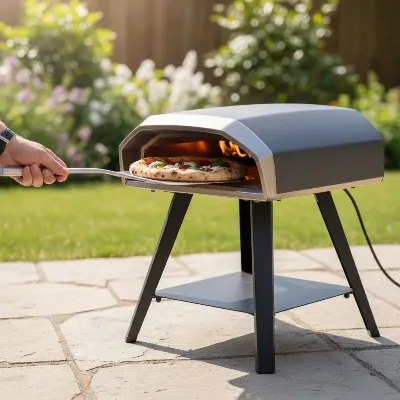 A sleek, modern portable gas pizza oven on a stand outdoors, with a pizza being inserted
Tips for Using and Maintaining Your Pizza Oven
Owning a pizza oven is an exciting venture, but proper use and diligent maintenance are crucial for maximizing its performance and extending its lifespan. Whether you’ve chosen a gas or wood-fired model, understanding how to operate it safely and keep it in top condition will ensure years of delicious pizzas and trouble-free cooking. These practices contribute not only to the oven’s longevity but also to consistent cooking results and overall enjoyment.
Operating Your Pizza Oven for Best Results
Using your pizza oven effectively involves more than just lighting it up; it’s about understanding heat management and cooking techniques. For wood-fired ovens, patience is key. Allow sufficient time for the oven to preheat and the dome to reach optimal temperature—often when the internal walls turn white—before you start cooking. This ensures radiant heat from all surfaces, crucial for a fast and even cook. Maintain a small, hot flame to one side of the cooking chamber and rotate your pizzas frequently to prevent burning and ensure uniform cooking.
With gas-fired ovens, the primary focus is on temperature regulation. Most gas ovens heat up rapidly, so monitor the temperature gauge closely. Preheat to the desired temperature (typically 800-950°F or 425-510°C) and allow the stone to thoroughly heat through before launching your first pizza. While gas offers consistent heat, rotating the pizza periodically is still a good practice to achieve an even crust. Experiment with flame intensity to find the sweet spot for your preferred crust texture.
- Preheat Thoroughly: Ensure the oven stone and dome reach the target temperature before cooking. This is vital for a crispy base.
- Manage the Flame/Heat: For wood-fired, keep a consistent, smaller flame to one side. For gas, adjust the dial for precise temperature.
- Use Proper Tools: Invest in good quality pizza peels (launching and turning) and an infrared thermometer to check stone temperature.
- Rotate Your Pizza: Turn your pizza 90 or 180 degrees every 20-30 seconds to ensure even cooking and prevent one side from burning.
- Avoid Overloading: Cook one pizza at a time in most residential ovens to maintain high temperatures and optimal performance.
Cleaning and Care for Longevity
Regular cleaning and maintenance are non-negotiable for keeping your pizza oven in prime condition. After each use, allow the oven to cool completely before cleaning. For wood-fired ovens, sweep out ash and debris with a metal brush. The high heat generally sanitizes the interior, so harsh chemical cleaners are usually unnecessary. Periodically inspect for cracks in the refractory brick and clean the chimney flue to ensure proper airflow.
For gas-fired ovens, wipe down the interior and exterior surfaces with a damp cloth and mild soap. Clean any food spills immediately to prevent stubborn buildup. Regularly inspect gas lines and connections for leaks and ensure burners are free from debris to maintain efficient operation. Both types of ovens benefit from a weatherproof cover when not in use, especially if kept outdoors, to protect them from the elements.
> “A well-maintained pizza oven isn’t just about cleanliness; it’s about preserving the oven’s thermal efficiency and ensuring every pizza you make is as good as the last.” – Maria Rossi, Artisan Pizza Maker
Common Issues and Troubleshooting
Even with proper care, you might encounter minor issues with your pizza oven. One common problem is uneven cooking, where one side of the pizza cooks faster than the other. This is often resolved by more frequent rotation of the pizza or by adjusting the flame (for wood-fired) or heat setting (for gas) to create a more balanced cooking environment. For wood-fired ovens, ensure the fire is not too large or concentrated in one spot.
If your oven is not reaching desired temperatures, check the fuel supply. For gas ovens, ensure the tank isn’t empty and the connections are secure. For wood-fired ovens, make sure you’re using dry, seasoned hardwood and that there’s adequate airflow. Excessive smoke in a wood-fired oven usually indicates wet wood or poor airflow; check your chimney for blockages. By understanding these basic troubleshooting steps, you can quickly diagnose and resolve most minor issues, getting back to perfect pizzas.
Where to Purchase Your Pizza Oven
Acquiring a pizza oven is a significant investment, and knowing where to buy one can make a difference in terms of selection, pricing, and customer support. Whether you prefer to see the product in person or browse a wider range online, there are several reputable avenues to explore. Each option offers unique benefits, from expert advice to competitive pricing and convenient delivery.
For many, specialty outdoor cooking stores or barbecue retailers are excellent places to start. These stores often have floor models, allowing you to get a feel for the size and build quality. Sales associates typically possess extensive knowledge about different brands and models, offering personalized advice based on your needs. They can also assist with accessories and sometimes offer installation services for larger, built-in units.
Major home improvement stores also carry a selection of pizza ovens, particularly during warmer months. While their range might be less specialized, they can be a convenient option for more common models and often have competitive pricing.
When it comes to buying online, the selection is virtually limitless. Websites like Amazon, Wayfair, and the direct brand websites (e.g., Gozney, Ooni) offer the widest variety of models, often at various price points. Online retailers frequently provide detailed product specifications, customer reviews, and comparison tools, which can be invaluable for research. However, be mindful of shipping costs for larger items and confirm return policies before purchasing.
Tips for Online Purchases:
- Read Customer Reviews: Pay attention to reviews regarding product performance, durability, and customer service.
- Check Shipping Policies: Larger ovens can incur significant shipping costs and require special delivery arrangements.
- Verify Warranty and Returns: Understand the brand’s warranty and the retailer’s return policy in case of defects or dissatisfaction.
- Look for Bundles: Many online retailers offer bundles that include essential accessories like peels and covers, often at a discounted price.
By carefully considering your purchasing options, you can find the right pizza oven from a reliable source, ensuring a smooth buying experience and many years of delicious pizza making.
Conclusion
Choosing between a gas and wood-fired pizza oven ultimately comes down to a blend of personal preference, cooking style, and practical considerations. The wood-fired oven offers an authentic, smoky flavor and a hands-on experience, appealing to traditionalists who cherish the craft of fire cooking. Conversely, gas ovens provide unparalleled convenience, rapid heating, and precise temperature control, making them ideal for those who prioritize speed, consistency, and ease of use. Both types are capable of producing exceptional pizzas and transforming your outdoor space into a culinary haven.
Consider what truly motivates your outdoor cooking endeavors. Is it the ritual of fire management and the distinct char, or the quick, effortless preparation of gourmet pizzas? Reflect on your budget, available space, and the level of maintenance you’re comfortable with. By weighing these factors, you can make an informed decision that brings the joy of homemade pizza to your gatherings for years to come. What kind of pizza oven will unleash your inner pizzaiolo?
Frequently Asked Questions
Is a wood-fired pizza oven truly better for flavor than gas?
Many purists argue that wood-fired ovens impart a distinct smoky flavor and char that gas ovens cannot replicate, offering a more authentic taste. However, gas ovens deliver a clean, neutral flavor, allowing the ingredients of the pizza to stand out without any smoky influence. Both can produce excellent results depending on preference.
How quickly do pizza ovens heat up?
Gas pizza ovens typically heat up much faster, often reaching cooking temperatures of 800-950°F (425-510°C) in 15-20 minutes. Wood-fired ovens take longer, usually 30-60 minutes, as they require time to build and maintain a proper fire and thoroughly heat the oven dome and stone.
Can I use a pizza oven for more than just pizza?
Absolutely! Pizza ovens are incredibly versatile. Their high heat and efficient cooking environment make them excellent for roasting vegetables, searing steaks or fish, baking artisan breads, and even cooking casseroles or other dishes that benefit from intense, quick heat.
Are portable pizza ovens worth it?
Yes, portable pizza ovens offer fantastic flexibility and convenience. They are great for small spaces, tailgating, camping, or simply moving your cooking station around your backyard. Many portable models, especially gas-fired ones, offer excellent performance and can reach high temperatures quickly.
What maintenance is required for a pizza oven?
Maintenance varies by fuel type. For wood-fired ovens, daily ash removal and periodic chimney cleaning are essential. Gas ovens require less cleaning, usually just wiping surfaces and checking gas connections. Both benefit from a weatherproof cover to protect them from the elements and extend their lifespan.
How long does it take to cook a pizza in one of these ovens?
At optimal high temperatures (800-950°F or 425-510°C), a thin-crust pizza can cook in as little as 60-90 seconds. The rapid cooking time is a hallmark of dedicated Pizza Ovens, ensuring a crispy crust and perfectly melted toppings.
What kind of wood should I use for a wood-fired pizza oven?
For best results, use dry, seasoned hardwood such as oak, maple, applewood, or cherry. These woods burn cleanly, produce good heat, and impart a pleasant subtle smoky flavor. Avoid softwoods, treated wood, or wood with sap, as they can create excessive smoke and undesirable flavors.