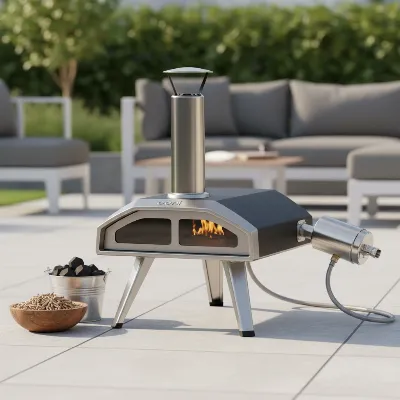
The allure of a homemade pizza, with its crispy crust and bubbling toppings cooked to perfection in an outdoor pizza oven, is undeniable. Transforming your backyard into an authentic pizzeria offers an experience that brings friends and family together. Yet, these high-temperature appliances demand respect and a solid understanding of safety protocols. With temperatures often soaring above 450°C (840°F), mastering safe operation is not just about culinary success, but also about preventing injuries and property damage. This comprehensive guide provides the essential knowledge to enjoy your outdoor pizza oven with confidence and peace of mind.
Outdoor Pizza Oven: Overview and Selection Guide
Outdoor pizza ovens are specialized cooking appliances designed to reach the extremely high temperatures necessary to bake pizzas quickly and efficiently, often in just a few minutes. While traditional pizza ovens date back centuries to the invention of pizza itself, modern iterations leverage various fuel sources and designs to bring this ancient cooking method into contemporary backyards. These ovens are specifically engineered for outdoor use due to the intense heat and potential for smoke or carbon monoxide emissions.
What is an Outdoor Pizza Oven?
Table is empty.At its core, an outdoor pizza oven provides a contained, high-heat environment that cooks pizzas rapidly, often achieving results similar to professional pizzerias. The intense heat from the oven floor and dome cooks the crust and toppings simultaneously, creating a distinct texture and flavor. Historically, these ovens were large, brick-built structures. Today, they range from compact, portable units to elaborate built-in installations, reflecting a significant evolution in design and accessibility.
Popular Outdoor Pizza Oven Types
The market offers a diverse array of outdoor pizza ovens, each with unique characteristics catering to different needs and preferences. Understanding these types is crucial for both selection and safe operation.
Gas Pizza Ovens
Gas-powered pizza ovens, typically fueled by propane or natural gas, are celebrated for their convenience and ease of use. They heat up quickly, often reaching cooking temperatures in as little as 15-20 minutes, and offer precise temperature control, making them excellent for consistent results. While they may not impart the smoky flavor of wood-fired ovens, their cleanliness and readiness make them a popular choice for weeknight meals and entertaining.
Electric Pizza Ovens
Less common for truly outdoor, high-temperature pizza making than gas or wood, electric pizza ovens are generally smaller, portable units designed for patios or balconies where gas or wood fuel might be impractical. They offer excellent temperature stability but often do not reach the extreme temperatures necessary for Neapolitan-style pizzas, typically maxing out around 370°C (700°F). Their main advantage is simplicity—just plug them in and preheat.
Wood-Fired Pizza Ovens
Wood-fired ovens are the traditionalists’ choice, prized for imparting an authentic, smoky flavor and achieving blistering high temperatures, often exceeding 500°C (930°F). These ovens demand more time to preheat and require skill in managing the fire to maintain consistent temperatures. However, the unique char and crispness they deliver are unmatched, making them ideal for those seeking a true artisan pizza experience.
Mini Pizza Ovens
Mini pizza ovens are a category defined by their compact size and portability, encompassing both gas and wood-fired models. Their smaller footprint makes them suitable for limited outdoor spaces, camping trips, or tailgating. While they offer the convenience of being moved and stored easily, users must still adhere to all the same safety guidelines regarding placement, ventilation, and heat protection as larger units.
Comparison Table of Outdoor Pizza Oven Types
| Feature | Wood-Fired Ovens | Gas Ovens | Electric Ovens |
|---|---|---|---|
| Fuel Type | Hardwood (kiln-dried) | Propane or Natural Gas | Electricity |
| Heat-up Time | 45-90 minutes | 15-30 minutes | 15-25 minutes |
| Max Temperature | 500°C+ (930°F+) | 400-500°C (750-930°F) | 350-370°C (660-700°F) |
| Flavor Profile | Authentic, smoky, charred | Clean, consistent, less distinct “oven” flavor | Clean, consistent, no additional flavor |
| Temperature Control | Requires skill, manual adjustment | Precise via burner controls | Very precise, thermostat controlled |
| Maintenance | Regular ash removal, occasional internal cleaning | Occasional burner cleaning, exterior wiping | Exterior wiping |
| Portability | Varies (some compact models, many stationary) | High (many portable models) | High (many countertop models) |
| Average Cost | Moderate to High | Low to Moderate | Low |
How to Choose an Outdoor Pizza Oven
Selecting the right outdoor pizza oven involves careful consideration of your lifestyle, space, and culinary aspirations. It’s a significant investment that should enhance your outdoor living experience without compromising safety.
Determine Your Needs
Consider how often you plan to use the oven and for what purpose. Are you cooking for a small family, hosting large gatherings, or even considering a small catering venture? Your usage frequency and capacity requirements will heavily influence the size and type of oven best suited for you.
Budget
Outdoor pizza ovens span a wide price range. Portable gas models can be quite affordable, while large, traditional wood-fired ovens can represent a substantial investment. Establish a realistic budget that accounts for the oven itself, necessary accessories, and any installation costs.
Size and Space
Measure your available outdoor space to ensure the oven will fit comfortably and safely. Remember to factor in required clearance distances around the oven, which are critical for fire safety. A compact patio may necessitate a portable gas or mini oven, while a spacious backyard could accommodate a larger, built-in wood-fired unit.
Essential Features
Look for features that enhance both usability and safety. An integrated thermometer is vital for monitoring cooking temperatures. For wood-fired ovens, a well-designed chimney and spark arrestor can improve performance and safety. Consider ease of cleaning and robust construction for longevity.
Brand and Reliability
Research reputable brands known for quality and customer support. Reading reviews from other users can provide valuable insights into a product’s performance and durability. Opting for a trusted brand often means better safety standards and readily available replacement parts or service.
Essential Safety Tips for Using Your Outdoor Pizza Oven
Operating an outdoor pizza oven safely is paramount to a fun and accident-free cooking experience. Given the extreme temperatures these appliances reach, adhering to safety guidelines is non-negotiable.
Choosing the Right Location
The placement of your outdoor pizza oven is the foundational safety decision. Incorrect placement can lead to fire hazards, property damage, and potential injury.
Your oven must be situated on a stable, level, and non-combustible surface. Ideal choices include concrete slabs, brick or stone patios, or purpose-built heat-resistant stands. Crucially, never place a hot pizza oven directly on wooden decking, grass, or any other flammable material, as radiant heat can ignite these surfaces over time.
Maintain a minimum clearance of at least 3 meters (10 feet) from any combustible structures, including your home, wooden fences, pergolas, deck railings, overhanging trees, shrubs, and outdoor furniture with fabric components. For wood-fired ovens, also ensure adequate distance from gas lines or propane tanks. A critical rule is to never operate a pizza oven under any covered structure, such as carports, verandahs, or gazebos, unless the structure is specifically designed with appropriate heat shielding and ventilation for this purpose. Poor ventilation in enclosed spaces can lead to dangerous smoke buildup and carbon monoxide poisoning.
Consider typical wind patterns in your area. Strong winds can blow sparks and embers onto flammable materials, make temperature control challenging, and unpredictably redirect smoke and heat. Position the oven’s opening away from prevailing winds, or install a non-combustible windbreak if necessary.
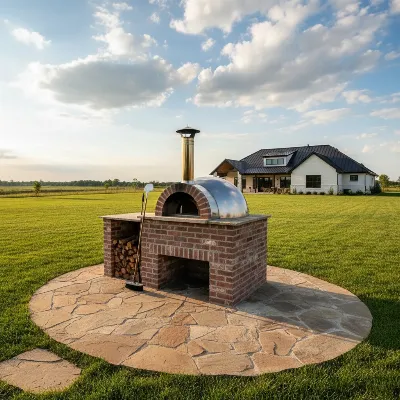 A beautifully designed outdoor pizza oven placed safely on a stone patio, with ample clearance from a nearby house and garden foliage.
Proper Setup and Assembly
Before your first use, carefully unpack and assemble your outdoor pizza oven according to the manufacturer’s instructions. A poorly assembled oven can pose structural and operational risks. Double-check that all components are securely fastened and that the oven is correctly positioned on its designated heat-resistant base or stand. Familiarize yourself with the owner’s manual; it contains specific safety guidelines, recommended fuel types, and maintenance procedures unique to your model.
Safe Lighting and Fuel Management
The ignition process requires careful attention, especially for wood-fired and gas ovens.
For wood-fired ovens, always use kiln-dried hardwood or wood chips. Avoid treated, painted, or composite wood, as these can release harmful chemicals when burned. Begin with small pieces of kindling and gradually add larger logs. Use long matches or a dedicated firelighter to ignite the kindling, and never use accelerants like gasoline, lighter fluid, or paraffin, which can cause dangerous flare-ups. Ensure the oven door is off or vents are open during initial lighting to allow proper airflow and prevent smoke buildup.
For gas ovens, ensure the gas bottle is always stored upright and that all connections to the hose and oven are secure and free of leaks. Regularly inspect the gas line for any signs of wear or damage. Follow the manufacturer’s specific lighting procedure, which typically involves turning on the gas slowly and igniting the burner with a built-in igniter or long match. Always store gas bottles outdoors, away from living areas and potential ignition sources, and routinely check them during cooking.
Operating and Monitoring
Once your oven is fired up, safe operating practices are essential for protecting yourself and others.
- Protective Gear: Always wear heat-resistant gloves and use long-handled tools, such as a pizza peel, turning peel, and oven brush, when handling hot items or adjusting fuel inside the oven. This prevents severe burns from direct heat and hot surfaces.
- Supervision: Never leave your outdoor pizza oven unattended while it’s in use, especially if children or pets are nearby. Establish a clear “safe zone” of at least three feet around the oven and ensure everyone, particularly children and pets, remains outside this area. Teach older children about the dangers of hot surfaces.
- Temperature Control: Monitor the oven’s internal temperature using a reliable thermometer. For most pizzas, an optimal range is typically between 370°C and 400°C (700°F and 750°F). Overheating can not only ruin your food but also potentially damage the oven or increase fire risk. Adjust fuel or ventilation as needed to maintain desired temperatures.
- Clothing: Avoid wearing loose-fitting clothing or synthetic fabrics that could easily catch fire or melt if they come into contact with hot surfaces or flames.
- Ventilation: Ensure continuous and adequate ventilation around the oven to allow smoke and exhaust gases to disperse freely. This is critical for preventing smoke inhalation and the dangerous buildup of carbon monoxide, an odorless, colorless gas that can be fatal.
“Safety isn’t an accessory for outdoor pizza ovens; it’s an essential ingredient for every successful bake. Treat the heat with respect, and your oven will reward you with countless delicious meals.” — Chef Isabella Rossi, Founder of The Artisan Pizza Academy
Fire Prevention and Emergency Preparedness
Even with careful operation, unforeseen circumstances can occur. Being prepared for a fire emergency is vital.
- Clearance: Keep the area immediately surrounding your oven free of any flammable debris, such as dried leaves, paper products, cloths, or other combustibles.
- Fire Extinguisher: Always have an appropriate fire extinguisher readily accessible and ensure it is rated for both wood fires (Class A) and grease fires (Class B or K). Know how to use it effectively. A garden hose with a reliable water source should also be nearby, though be aware of its limitations for certain fires.
- Water Caution: Never use water on grease fires or directly inside a hot pizza oven. Water can cause grease fires to spread explosively. Pouring water into an extremely hot oven can cause thermal shock, potentially cracking or shattering the oven’s refractory materials.
- Spark Arrestor: If your wood-fired oven has a chimney, consider installing a spark arrestor. This device helps to prevent embers and sparks from escaping the chimney and potentially igniting surrounding areas.
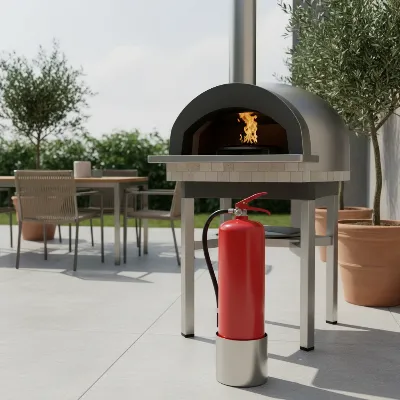 A bright red fire extinguisher placed prominently near a lit outdoor pizza oven on a safe, clear patio.
Cooling Down and Maintenance
Proper post-use procedures are as important as safe operation for longevity and safety.
- Cooling Down: Allow the oven to cool down completely before attempting any cleaning or maintenance. This often takes several hours, or even overnight, depending on the oven type and external temperature. Never rush this process to avoid severe burns.
- Regular Cleaning: Regularly remove ash and debris from the cooking chamber. For wood-fired ovens, excess ash can hinder performance and airflow. For all oven types, cleaning helps prevent the buildup of grease and food residues, which can become fire hazards.
- Inspections: Periodically inspect your oven for any signs of damage, such as cracks in the dome or base, especially after initial curing or intense use. While minor surface cracks can be normal in some materials, any crack that appears to compromise the structural integrity should be assessed by a professional. For gas ovens, regularly check burners and connections for wear.
Where to Buy an Outdoor Pizza Oven?
Outdoor pizza ovens are available from a variety of retailers, both online and in brick-and-mortar stores. Major home improvement centers, specialized barbecue and outdoor living stores, and online marketplaces are common sources. When purchasing, always check customer reviews, warranty information, and the seller’s return policy. For larger, more complex units, consider retailers who offer professional installation services to ensure compliance with local codes and safety standards. Online purchases offer convenience, but verify the seller’s reputation and shipping policies for large items.
Conclusion
Embracing the joy of an outdoor pizza oven can elevate your culinary adventures and create unforgettable backyard moments. By prioritizing safety through careful placement, proper setup, vigilant operation, and diligent maintenance, you ensure that every pizza party is not only delicious but also secure. From understanding your oven’s fuel type to being prepared for any eventuality with a fire extinguisher, responsible use transforms a powerful appliance into a source of pure enjoyment. So, as you fire up your outdoor pizza oven, remember that a little foresight goes a long way in crafting that perfect, safe slice. What will be the first safety measure you double-check before your next pizza night?
Frequently Asked Questions
What is the safest distance to place an outdoor pizza oven from my house?
For optimal safety, your outdoor pizza oven should be placed at least 3 meters (10 feet) away from your house, any combustible structures, wooden fences, overhanging trees, and flammable outdoor furniture. This generous clearance minimizes the risk of fire hazards from intense heat and stray embers.
Can I use my outdoor pizza oven under a covered patio?
Generally, no. Outdoor pizza ovens should never be operated under covered structures like patios, carports, or gazebos, as this can trap smoke and dangerous carbon monoxide. Exceptions exist only if the oven and structure are specifically designed with proper heat shielding and ventilation for such use, a condition that is rare for standard residential setups.
What kind of wood should I use in a wood-fired pizza oven?
For wood-fired pizza ovens, it is crucial to use only kiln-dried hardwood, such as oak, maple, ash, or fruit woods. Kiln-dried wood burns cleaner, produces less smoke, and provides consistent heat. Never use treated, painted, softwoods, or composite materials, as these can release harmful chemicals and creosote.
What should I do if a fire starts in my pizza oven?
If a fire starts in or around your pizza oven, remain calm and prioritize safety. If it’s a small fire, use a suitable fire extinguisher (rated for wood and grease fires) that should always be kept nearby. Never use water on grease fires or inside a hot oven. If the fire is large or uncontrollable, evacuate the area immediately and call emergency services.
How do I prevent carbon monoxide poisoning with my outdoor pizza oven?
To prevent carbon monoxide poisoning, always operate your outdoor Pizza Oven in a well-ventilated, open outdoor area. Never use it indoors or in partially enclosed spaces where exhaust gases can accumulate. Ensure good airflow around the oven during operation, and if using a gas oven, regularly check gas lines for leaks.