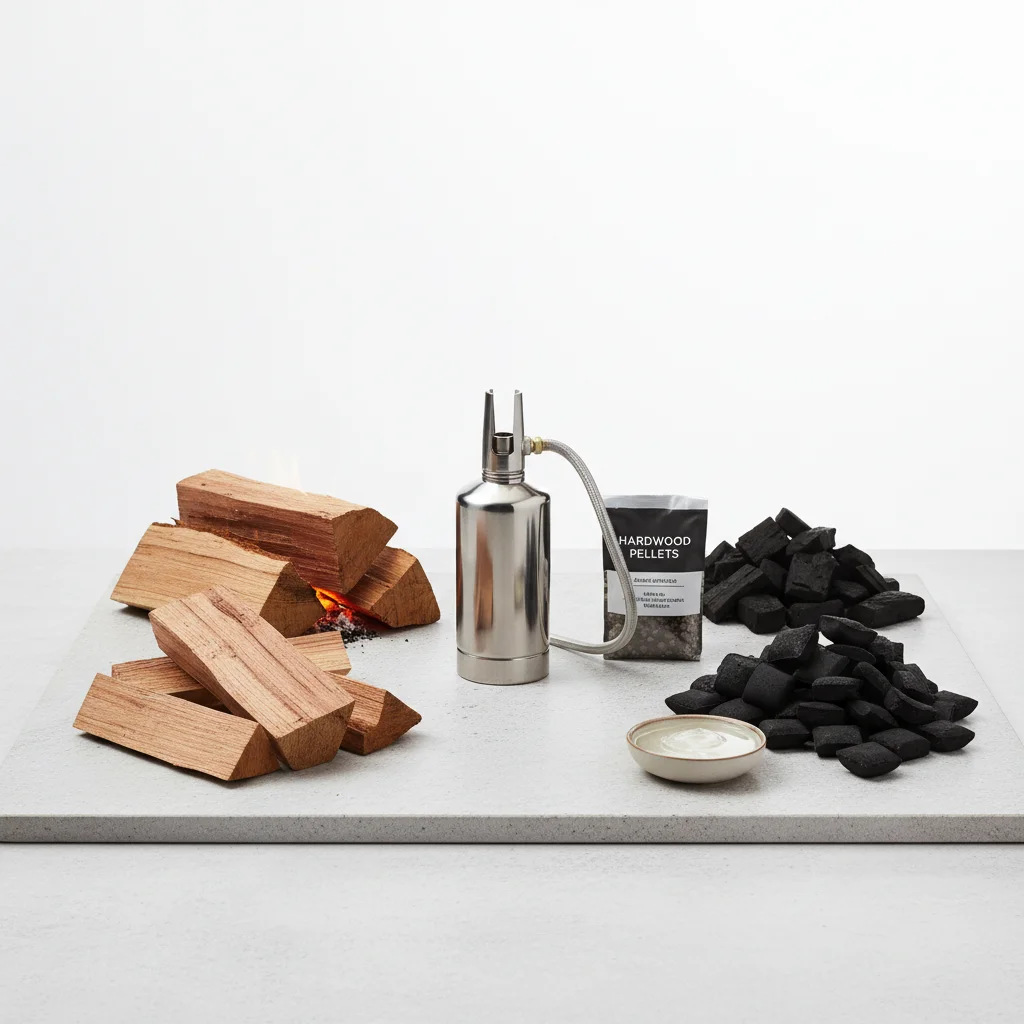
Choosing the best pizza oven fuel type is crucial for achieving superior flavor and a perfect crust. For enthusiasts seeking the most authentic taste and high temperatures, wood is generally considered the top choice, offering a distinct smoky aroma and char that other fuels struggle to replicate. However, gas and pellets also provide excellent results with varying levels of convenience and flavor profiles, making the ‘best’ choice dependent on your specific priorities.
Understanding Wood-Fired Pizza Oven Fuel
Wood-fired pizza ovens are the traditional choice, celebrated for their ability to impart a unique smoky flavor and achieve extremely high temperatures. Hardwoods like oak, maple, and apple are preferred because they burn hot and clean, producing minimal ash and a pleasant aroma. The radiant heat from the flames and the conductive heat from the stone combine to cook pizzas rapidly, often in 60-90 seconds. This intense heat creates the characteristic leopard-spotted crust and perfectly melted toppings. Managing a wood fire requires practice, including understanding how to maintain consistent temperatures and add fuel efficiently.
The type of wood significantly impacts the flavor. Fruitwoods like apple and cherry offer a subtle sweetness, while oak provides a more robust, earthy note. It’s essential to use kiln-dried wood with a moisture content below 20% to ensure efficient burning and prevent excessive smoke. Wet wood can lead to lower temperatures, longer cooking times, and an acrid taste.
Gas-Powered Pizza Oven Fuel: Convenience and Control
Gas-powered pizza ovens, typically running on propane or natural gas, offer unparalleled convenience and precise temperature control. They heat up quickly, often reaching cooking temperatures in 15-20 minutes, and maintain a consistent heat without the need for constant fuel management. While they don’t impart the same smoky flavor as wood, many high-quality gas ovens can still produce excellent pizzas with crispy crusts and perfectly cooked toppings. Some models even include a wood chip smoker box to add a hint of wood-fired taste.
The primary advantage of gas is its ease of use, making it ideal for beginners or those who prioritize speed and simplicity. You can easily adjust the flame to control the cooking temperature, which is particularly useful when cooking multiple pizzas in a row. Gas ovens are also generally cleaner, producing no ash or soot, and require less cleanup. This makes them a popular choice for backyard entertaining where quick setup and minimal fuss are desired.
Pellet Pizza Oven Fuel: Efficiency and Flavor Balance
|
Our Picks for the Best Pizza Oven in 2026
As an Amazon Associate I earn from qualifying purchases.
|
||
| Num | Product | Action |
|---|---|---|
| 1 | Presto 03434 Pizzaz Plus Rotating Oven - 12-Inch, Countertop Pizza Oven, Nonstick Tray, Top and Bottom Heating Elements, Easy to Clean, Green/Gold |

|
| 2 | Pizza Oven Indoor, 12 Inch Retro Pizza Maker, Rapid Heating 800˚F, 1200W Glazed Ceramic Stone Electric Pizza Cooker, Two-button Precise Temperature Control, Viewing Window for Precise Cooking |
|
| 3 | Pizza Oven Outdoor 12" Wood Fired Pizza Ovens Pellet Pizza Stove for outside, Portable Stainless Steel Pizza Oven for Backyard Pizza Ovens |
|
| 4 | Electric-Pizza-Oven-Indoor, 12 Inches Countertop Cooker,800℉ Electric Pizza Maker with Timer, Ceramic Stone, Viewing Window, Complete Accessory Kit, Black |
|
| 5 | PIEZANO 12 Inch Electric Indoor Pizza Oven Heats up to 800˚F - Pizza Maker with Ceramic Stone for Crispy Crust Pizza, Cooks in Under 6 Minutes, Countertop, Dual Heat Control, Peels & Scraper Included |
|
| 6 | BIG HORN OUTDOORS 12" Multi-Fuel Outdoor Pizza Oven – 3-in-1 Wood-Fired, Gas & Electric Compatible (Burners Sold Separately), Pellet Pizza Oven Portable Pizza Maker for Backyard, Camping & Tailgating |
|
| 7 | CHEFMAN Indoor Pizza Oven - Makes 12 Inch Pizzas in Minutes, Heats up to 800°F - Countertop Electric Pizza Maker with 5 Touchscreen Presets, Pizza Stone and Peel Included - Stainless Steel |
|
| 8 | PIEZANO XL 14 Inch Electric Indoor Pizza Oven Heats up to 800˚F - Pizza Maker with Stone for Crispy Crust Pizza, Cooks in Under 6 Minutes, Countertop, Dual Heat Control, Peels & Scraper Included |
|
| 9 | Gourmia Indoor Pizza Oven Air Fryer Toaster – 1800W Countertop Multi-Cooker with Pizza Stone, Digital Controls & 6 Presets, Stainless Steel |
|
| 10 | Presto 03430 Pizzazz Plus Rotating Oven, Black |
|
Wood pellet pizza ovens strike a balance between the authentic flavor of wood and the convenience of gas. They use small, compressed wood pellets, often made from hardwoods, which are fed into a burner to create a consistent flame. Pellets burn very efficiently, producing high temperatures and a subtle smoky flavor that is more pronounced than gas but less intense than traditional wood. The automated feeding system in many pellet ovens means less manual intervention compared to a full wood fire.
Pellet ovens are known for their consistent heat output and relatively quick heat-up times. They are also more compact and portable than many wood-fired ovens, making them a good option for smaller spaces or for taking on camping trips. While you still need to monitor the pellet hopper, it’s generally less demanding than managing logs.
Electric Pizza Oven Fuel: Indoor Performance
Electric pizza ovens are designed primarily for indoor use, offering a convenient way to make pizza without an open flame. They typically use heating elements to reach high temperatures, often up to 800°F (425°C), which is sufficient for cooking Neapolitan-style pizzas in a few minutes. While they don’t offer any smoky flavor, they excel in consistency and ease of use, making them perfect for kitchen countertops.
Electric ovens are ideal for urban dwellers or those who prefer not to cook outdoors. They require no special fuel storage and simply plug into a standard outlet. The lack of smoke and fumes also makes them a clean option for indoor cooking. While the flavor profile will be different from an outdoor wood-fired oven, the convenience and ability to achieve high temperatures make them a strong contender for home pizza making.
Comparing Fuel Types for Your Pizza Oven
When deciding on the best fuel type, consider these factors:
- Flavor Profile: Wood offers the most authentic smoky taste, followed by pellets, then gas and electric.
- Convenience: Gas and electric are the easiest to use and maintain, with pellets requiring slightly more attention than gas. Wood requires the most hands-on management.
- Temperature Control: Gas and electric ovens provide the most precise temperature control. Pellets offer good consistency, while wood requires skill to manage.
- Heat-Up Time: Gas and electric ovens typically heat up the fastest, followed by pellets, then wood.
- Cost: The cost of fuel varies, with wood and pellets often being more affordable per use than propane, though initial setup costs for wood ovens can be higher.
Ultimately, the best pizza oven fuel type depends on your personal preferences for flavor, convenience, and the overall pizza-making experience. Each fuel type offers distinct advantages, allowing you to craft delicious pizzas tailored to your specific needs.
