Imagine the aroma of freshly baked pizza wafting through your backyard, crust perfectly crisp, cheese bubbling, and toppings infused with that distinctive smoky flavor only a wood-fired oven can deliver. For many homeowners, this isn’t just a dream but a tangible luxury for their outdoor living space. As 2026 unfolds, the demand for authentic, built-in wood-fired pizza ovens on patios continues to grow, transforming ordinary backyards into gourmet culinary havens. This guide will explore everything you need to know to select the perfect built-in wood-fired pizza oven to elevate your patio dining experience.
Understanding Wood-Fired Pizza Ovens
At its core, a pizza oven is a culinary apparatus designed to cook pizzas at extremely high temperatures, far exceeding what conventional kitchen ovens can achieve. While modern options include gas, electric, and pellet-fired models, the wood-fired pizza oven remains the quintessential choice for purists. Its history dates back millennia, with ancient civilizations utilizing similar structures to bake bread and other staples. Today, the appeal lies in its ability to impart a unique smoky flavor and achieve the ideal leopard-spotted crust, characteristic of Neapolitan-style pizza, in mere minutes. These ovens reach temperatures of 700°F to over 1000°F, ensuring rapid cooking that locks in moisture and creates a perfectly crispy exterior with a soft, chewy interior.
Built-In Wood-Fired Ovens: A Class Apart
Table is empty.Unlike their portable counterparts, built-in wood-fired pizza ovens are designed for permanent installation, integrating seamlessly into your outdoor kitchen or patio design. They are typically constructed from refractory materials like fire bricks and specialized cements, chosen for their ability to withstand extreme heat and retain it efficiently. This robust construction allows for consistent, high-temperature cooking, making them versatile for more than just pizza—think roasted meats, vegetables, and artisan bread.
The distinct difference lies in their integration. Rather than a freestanding appliance, a built-in oven becomes a permanent fixture, often clad in stone, brick, or stucco to match your patio’s aesthetic. This requires planning for a stable, heat-resistant base and proper ventilation through a chimney or flue system. While they demand a more significant initial investment and installation effort compared to portable models, the longevity, performance, and aesthetic appeal of a built-in wood-fired oven make it a worthwhile centerpiece for any serious outdoor entertainer.
Popular Built-In Wood-Fired Pizza Oven Types
When considering a built-in wood-fired pizza oven for your patio, you’ll primarily encounter two main categories: DIY Kits and Pre-Assembled Built-In Ovens. Each offers distinct advantages depending on your budget, DIY prowess, and customization desires.
DIY Wood-Fired Oven Kits
DIY kits provide all the necessary components, typically refractory dome sections, cooking floors, and insulating materials, for you to assemble and finish on-site. Brands like Chicago Brick Oven (CBO), Wildwood Ovens, BrickWood Ovens, and Vitcas specialize in these kits, offering varying sizes and designs. For instance, CBO provides the 750 DIY and 1000 DIY kits, allowing homeowners significant control over placement, structure, and exterior finish. Wildwood Ovens offers Roma, Milano, and Toscano kits, featuring proprietary refractory concrete with “HEAT PILLOW” technology designed for fast heating and excellent heat retention. These kits are often praised for their cost-effectiveness and the satisfaction of building your own culinary centerpiece. Vitcas also offers kits, alongside their pre-made options, highlighting ease of assembly with quality refractory materials from the UK.
- Advantages:
- Cost-Effective: Generally more affordable than fully pre-assembled units.
- Customization: Offers complete freedom in exterior design, allowing you to match your patio’s aesthetic perfectly.
- Educational Experience: For the enthusiastic DIYer, the building process can be a rewarding project.
- Disadvantages:
- Time & Effort: Requires significant time, labor, and construction skills.
- Potential for Error: Incorrect assembly can impact performance and durability.
- Material Sourcing: While kits provide the core, you might need to source external finishing materials.
Pre-Assembled Built-In Ovens
Some manufacturers offer pre-assembled oven cores that are ready to be lifted into a custom-built enclosure. These provide the built-in aesthetic without the extensive construction of a DIY kit. While less common for purely wood-fired options compared to hybrid models, brands like Fontana Forni offer high-quality, Italian-made steel dome ovens that can be integrated into an outdoor kitchen. These ovens typically feature thick insulation and robust construction, designed for immediate high performance once installed in their custom housing.
- Advantages:
- Reduced Installation Time: The core is ready to go, simplifying the build process significantly.
- Professional Finish: Often comes with a factory-perfect construction.
- Reliability: Built by experts, minimizing assembly errors.
- Disadvantages:
- Higher Cost: Generally more expensive than DIY kits.
- Less Customization: Exterior finishes are often limited to what the core allows, or you still need to build a custom façade.
- Weight: Can be very heavy, requiring specialized equipment for placement.
The choice between a DIY kit and a pre-assembled unit hinges on your comfort level with construction, your desired level of customization, and your budget. Both types can create a stunning and high-performing wood-fired pizza oven for your patio.
Comparison Table: Built-In Wood-Fired Pizza Oven Kits
| Feature | Chicago Brick Oven (CBO) 750/1000 DIY Kits | Wildwood Ovens (Roma, Milano, Toscano Kits) | Vitcas Outdoor Pizza Oven Kits |
|---|---|---|---|
| Construction | Refractory cement dome, modular components, customizable exterior | Proprietary refractory concrete (“HEAT PILLOW” technology), interlocking dome | High-quality refractory materials (bricks, cement), modular sections |
| Max Temp | 1000°F+ (CBO 750) | 800-900°F (Roma), 2300°F (Milano capable) | Up to 932°F (500°C) |
| Heat-Up Time | Fast heating, holds heat longer | 1 hour or less to 800-900°F | Relatively quick and easy to assemble |
| Capacity | 38″x28″ (CBO 750), 2000+ sq. in. (CBO 1000) for large gatherings | 1×14″ or 2×8″ pizzas (Roma), up to 4 pizzas (Milano) | Various sizes, Pompeii 100 for 3-5 small pizzas, Vitcas-L large |
| Durability | Built to last, high heat retention | 25-year warranty, UL Listed, Made in USA | Durable fire bricks and refractory cement |
| Key Advantage | Full control over design and installation, commercial options available | Fast heat-up, low wood consumption, precision-engineered dome | Traditional feel, ease of assembly, UK-made |
Essential Features for Your Built-In Wood-Fired Pizza Oven
Choosing the right built-in wood-fired pizza oven involves evaluating several key features that dictate performance, durability, and user experience.
High-Temperature Capability and Heat Retention
The hallmark of authentic pizza is high-temperature, rapid cooking. A superior built-in oven must reach and sustain temperatures of at least 700°F (around 370°C), with many professional-grade models hitting 900-1000°F (500°C+). This intense heat cooks a pizza in 60-90 seconds, creating the coveted crispy crust and perfectly melted toppings. Critical to this is the oven’s ability to retain heat efficiently. Refractory materials like dense fire bricks and high-quality refractory cement absorb and radiate heat evenly, ensuring consistent cooking and reducing fuel consumption. Look for ovens with thick domes and cooking floors (1.25 inches or more) for optimal heat storage and stability.
Durable Construction and Materials
Your outdoor pizza oven will endure various weather conditions and extreme internal temperatures, so durability is paramount. Ovens constructed from robust, weather-resistant materials are essential. Fire bricks, often rated to withstand temperatures up to 1500°F, form the core structure. High-strength refractory cement binds these components, providing structural integrity. Stainless steel components for the door, chimney, and any external accents offer corrosion resistance and longevity. A well-constructed oven is an investment designed to last for decades, becoming a permanent fixture in your outdoor entertaining space.
Optimal Size and Capacity
Consider the scale of your entertaining. Do you typically host intimate family dinners or large gatherings? Oven sizes vary significantly, impacting how many pizzas you can cook simultaneously or the maximum diameter of a single pie. Smaller ovens, such as those accommodating 12-inch or 14-inch pizzas, are ideal for smaller families or spaces, heating up quicker but perhaps offering less thermal mass. Larger ovens, capable of handling 16-inch or even 18-inch pizzas, or multiple smaller ones, are perfect for big parties but will require more space and longer preheating times. Evaluate the internal cooking surface area (e.g., CBO 1000 offers over 2,000 sq. in.) to match your anticipated usage.
Customization and Aesthetic Integration
A significant advantage of built-in ovens, especially DIY kits, is the potential for complete customization. You can choose cladding materials—from natural stone and stucco to reclaimed brick—to perfectly integrate the oven into your patio’s design and your home’s architectural style. This allows you to create a cohesive and visually stunning outdoor kitchen area, enhancing the overall appeal and value of your property. Consider elements like integrated wood storage, prep counters, and decorative archways that complement the oven.
Fuel Efficiency and Safety Certifications
While wood-fired ovens require tending a fire, modern designs prioritize fuel efficiency, allowing less wood consumption for extended cooking sessions. Features like precision-engineered dome shapes and effective insulation contribute to this. For safety and peace of mind, especially with a permanent installation, look for ovens that are UL Listed. This certification confirms that the product meets stringent safety standards for both indoor and outdoor use, ensuring your investment is both high-performing and safe for your family and guests. Wildwood Ovens, for example, emphasizes their UL listing and manufacturing in the USA.
Guide to Selecting Your Built-In Wood-Fired Pizza Oven
Choosing the ideal built-in wood-fired pizza oven involves a thoughtful assessment of your lifestyle, space, and preferences. Here’s a step-by-step approach to guide your decision:
1. Define Your Usage Needs
Start by envisioning how you’ll use the oven. Are you an occasional pizza maker for small family meals, or do you plan to host large pizza parties frequently? Will you primarily cook pizzas, or do you desire the versatility to roast meats, bake bread, or prepare other dishes? Your answers will help determine the necessary oven size, heat retention capabilities, and overall capacity. For instance, a small, compact oven might suffice for a couple, while larger models like the CBO 1000 DIY kit are better suited for frequent entertainers.
2. Determine Your Budget
Built-in wood-fired pizza ovens represent a significant investment, with costs varying widely based on size, materials, brand, and whether you choose a DIY kit or a pre-assembled unit. DIY kits generally offer a more budget-friendly entry point, as you save on labor and can control the cost of finishing materials. Fully assembled or high-end professional-grade ovens will command a higher price. Factor in not just the oven itself but also installation costs, chimney systems, base construction, and any desired accessories like pizza peels, thermometers, and covers.
3. Assess Your Patio Space and Layout
The dimensions of your patio will dictate the size and placement of your built-in oven. Ensure you have adequate space not only for the oven’s footprint but also for clearances around it, wood storage, prep areas, and comfortable circulation for guests. Ventilation is crucial; plan for a proper chimney system that safely directs smoke away from entertaining areas and complies with local building codes. Consider the oven’s integration into your existing or planned outdoor kitchen design to ensure a cohesive and functional layout.
4. Choose Your Installation Method
Decide whether you’re comfortable undertaking a DIY build or if you prefer a more streamlined, professionally installed approach. DIY kits offer maximum customization and cost savings but demand time, effort, and some construction expertise. If opting for a kit, look for modular designs with clear instructions, such as those from Wildwood Ovens that boast assembly in as little as 30 minutes for core components. For those who prefer a quicker setup, a pre-assembled oven core that can be lifted into a prepared enclosure might be a better fit, though professional installation for placement and finishing is still often recommended.
5. Prioritize Key Features
Revisit the essential features discussed earlier. Ensure the oven’s maximum temperature, heat retention, and durability align with your expectations for authentic wood-fired cooking. Confirm that the materials are suitable for outdoor exposure and high temperatures. Pay attention to safety certifications like UL listings, which provide peace of mind regarding the oven’s construction and performance. Consider the warranty offered by the manufacturer, with some brands like Wildwood Ovens providing impressive 25-year warranties.
By meticulously working through these considerations, you can confidently select a built-in wood-fired pizza oven that will not only meet your culinary aspirations but also enhance your patio for years to come.
Top Brands for Built-In Wood-Fired Pizza Ovens in 2026
When investing in a built-in wood-fired pizza oven for your patio, selecting a reputable brand is crucial for quality, performance, and long-term satisfaction. Here are some of the leading brands known for their built-in or kit-based wood-fired offerings:
Chicago Brick Oven (CBO)
CBO is a prominent name in the outdoor cooking industry, specializing in high-performance residential and commercial brick ovens. Their DIY kits, such as the CBO 750 and CBO 1000, are highly regarded for those looking to build a custom outdoor kitchen. These ovens feature refractory cement domes capable of reaching over 1000°F, ensuring authentic wood-fired flavor and fast cooking times. CBO emphasizes customization, allowing homeowners to integrate these kits seamlessly into their unique patio designs. They also offer hybrid models for dual-fuel flexibility, catering to various cooking preferences.
Wildwood Ovens
Wildwood Ovens offers a range of professional-grade wood-fired oven kits, including the Roma, Milano, and Toscano models, designed for both indoor and outdoor installations. Their ovens are notable for using a proprietary refractory concrete formula with “HEAT PILLOW” technology, which ensures rapid heat-up times (800-900°F in under an hour) and exceptional heat retention. Wildwood Ovens are UL Listed and proudly Made in the USA, providing confidence in their safety and quality. The unique interlocking dome design facilitates easier assembly compared to traditional brick-by-brick builds, and they stand behind their products with a 25-year warranty.
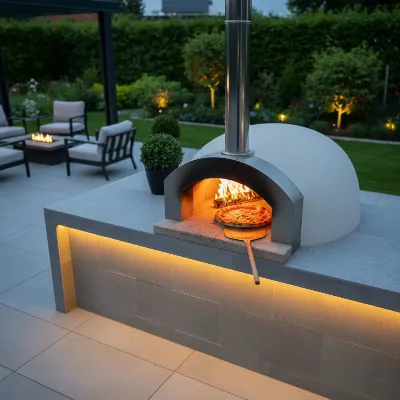 Wildwood Milano wood-fired pizza oven kit integrated into a modern patio outdoor kitchen with stone cladding, showing flames inside and a pizza being cooked.
Vitcas
Based in the UK, Vitcas provides a comprehensive range of wood-fired ovens and DIY kits, utilizing high-quality refractory materials. Their offerings include pre-made ovens in the Pompeii series (Pompeii, Pompeii 100, 120, 140) and Casa/Double Casa models, as well as essential components for building your own from scratch. Vitcas ovens are designed for easy assembly and are suitable for various garden and commercial kitchen aesthetics. They excel in heat retention and are perfect for not only pizza but also slow-cooked dishes and artisan bread, bringing authentic wood-fired cooking to any outdoor space.
Fontana Forni
Fontana Forni, with a heritage of Italian craftsmanship, is recognized for its high-quality outdoor ovens. While they offer both wood-fired and hybrid models, their wood-fired ovens feature robust bent-steel dome construction and thick insulation for maximum stability, durability, and superior heat retention. Their designs combine traditional aesthetics with modern performance, making them a premium choice for those seeking a distinguished built-in oven that reflects Italian culinary traditions. These ovens are often pre-assembled or designed for easy integration into custom outdoor kitchen structures.
Choosing among these brands ensures you’re investing in a product backed by expertise, quality materials, and a commitment to authentic wood-fired cooking.
Tips for Using and Maintaining Your Built-In Wood-Fired Pizza Oven
Owning a built-in wood-fired pizza oven is a rewarding experience, but proper usage and maintenance are key to maximizing its performance and longevity.
Proper Curing of a New Oven
Before cooking your first pizza, a new wood-fired oven must be “cured.” This gradual heating process, typically performed over several days, strengthens the refractory materials, drives out residual moisture, and prevents cracking. Follow the manufacturer’s specific curing schedule, which usually involves starting with small, cool fires and gradually increasing temperature over time. This crucial step ensures the oven’s long-term durability and optimal heat retention.
Mastering Heat Management and Cooking Techniques
Achieving perfect pizzas in a wood-fired oven requires understanding fire management. Build your fire to the side or back of the oven to allow the flames to roll over the dome, heating the cooking chamber and stone evenly. The ideal temperature for Neapolitan-style pizza is between 700°F and 900°F. Use an infrared thermometer to monitor the temperature of your cooking floor and dome. Pizzas cook incredibly fast, often in 60-90 seconds, so constant vigilance and frequent rotation (typically 180 degrees halfway through) are essential to ensure an even bake and prevent burning. Experiment with different types of hardwood for varied flavor profiles and burn rates.
Routine Cleaning and Long-Term Care
After each use, allow the oven to cool completely. Then, use a long-handled brush with a scraper to remove any ash and food debris from the cooking floor. Avoid using harsh chemical cleaners, as they can damage the refractory materials or impart unwanted flavors. Periodically inspect the oven for any cracks in the dome or floor, addressing them promptly with high-temperature refractory cement if needed. During off-seasons or extended periods of non-use, consider covering the oven with a custom-fit, weather-resistant cover to protect it from the elements, especially if your built-in design leaves the opening exposed. This diligent care will help maintain your oven’s efficiency and aesthetic appeal for many years.
Where to Purchase Built-In Wood-Fired Pizza Ovens
Acquiring a built-in wood-fired pizza oven for your patio can be done through several channels, ensuring you find the right model and support for your investment.
Direct from Manufacturers
Many specialized brands like Chicago Brick Oven, Wildwood Ovens, Vitcas, and Fontana Forni sell their built-in kits and pre-assembled oven cores directly through their websites. This often provides the most comprehensive product information, access to manufacturer warranties, and direct customer support. Buying direct also allows you to explore the full range of customization options and accessories.
Specialty Outdoor Living Retailers
Dedicated outdoor living stores, barbecue specialty shops, and high-end kitchen appliance showrooms often carry a selection of built-in pizza ovens or can order them for you. These retailers often have knowledgeable staff who can provide expert advice on installation, design integration, and local building codes. They may also offer professional installation services, which can be invaluable for a permanent built-in structure.
Online Marketplaces (with caution)
While general online marketplaces might list pizza ovens, exercise caution when purchasing built-in models from these platforms. Verify the seller’s reputation, product authenticity, and warranty information. For such a significant investment, direct communication with the manufacturer or a specialized dealer is usually recommended to ensure you receive the correct components and support for a successful built-in installation.
When purchasing, always inquire about shipping logistics for heavy components, available warranties, and any recommended professional installers in your area. This due diligence will help ensure a smooth purchase and installation process for your built-in wood-fired pizza oven.
 An inviting evening gathering around a modern built-in wood-fired pizza oven on a stylish patio, with friends enjoying pizza and drinks. Soft ambient string lights create a warm atmosphere.
Conclusion
Investing in a built-in wood-fired pizza oven for your patio in 2026 is more than just adding an appliance; it’s about creating a lifestyle, a culinary centerpiece, and countless memorable moments with family and friends. From the authentic smoky flavors only wood can impart to the satisfying crackle of the fire, these ovens transform outdoor entertaining. By carefully considering the types available, prioritizing essential features like high-temperature capability and durable construction, and choosing reputable brands like Chicago Brick Oven, Wildwood Ovens, Vitcas, or Fontana Forni, you can select an oven that perfectly complements your home and culinary aspirations. Remember the importance of proper curing, heat management, and consistent maintenance to ensure your investment delivers exceptional pizzas and joy for decades to come.
Are you ready to embrace the art of authentic wood-fired cooking and become the ultimate host on your patio?
Frequently Asked Questions
What are the main benefits of a built-in wood-fired pizza oven compared to a portable one?
Built-in wood-fired pizza ovens offer superior heat retention and stability due to their robust, permanent construction from refractory materials, leading to more consistent high-temperature cooking. They also enhance the aesthetic appeal and value of your outdoor living space by integrating seamlessly into custom designs, providing a dedicated, durable cooking station for years of use.
How long does it take for a built-in wood-fired pizza oven to heat up?
Heat-up times vary by oven size and material thickness, but most built-in wood-fired ovens can reach optimal cooking temperatures of 700-900°F within 1 to 2 hours. Smaller, thinner-walled ovens may heat faster (e.g., Wildwood Roma in under an hour), while larger ovens with greater thermal mass will take longer but retain heat for extended periods.
Can built-in wood-fired pizza ovens cook more than just pizza?
Absolutely! The high, even heat and unique cooking environment of a wood-fired oven make it incredibly versatile. You can use it to roast meats and vegetables, bake artisan bread, cook casseroles, and even smoke various foods. This versatility transforms it into a complete outdoor cooking station, not just a pizza maker.
What kind of wood should I use for my wood-fired pizza oven?
Hardwoods are recommended for wood-fired Pizza Ovens because they burn hotter and longer with less creosote buildup. Popular choices include oak, maple, ash, and fruitwoods like apple or cherry. Ensure the wood is seasoned (dry) for at least 6-12 months to minimize smoke and maximize heat output. Avoid softwoods like pine, as they burn too quickly and produce excessive smoke.
Is professional installation required for a built-in wood-fired pizza oven?
While some DIY kits are designed for homeowner assembly, professional installation is often recommended, especially for larger units, complex designs, or if you’re uncomfortable with construction. Professionals can ensure proper structural integrity, correct chimney and ventilation installation, and compliance with local building codes, guaranteeing both safety and optimal performance.